

 Best Sellers
 White Wine
 Rosé
Rosé
 Red Wine
 Bundles
 Shop All


Pinot Noir Clones Why They Matter in the Glass

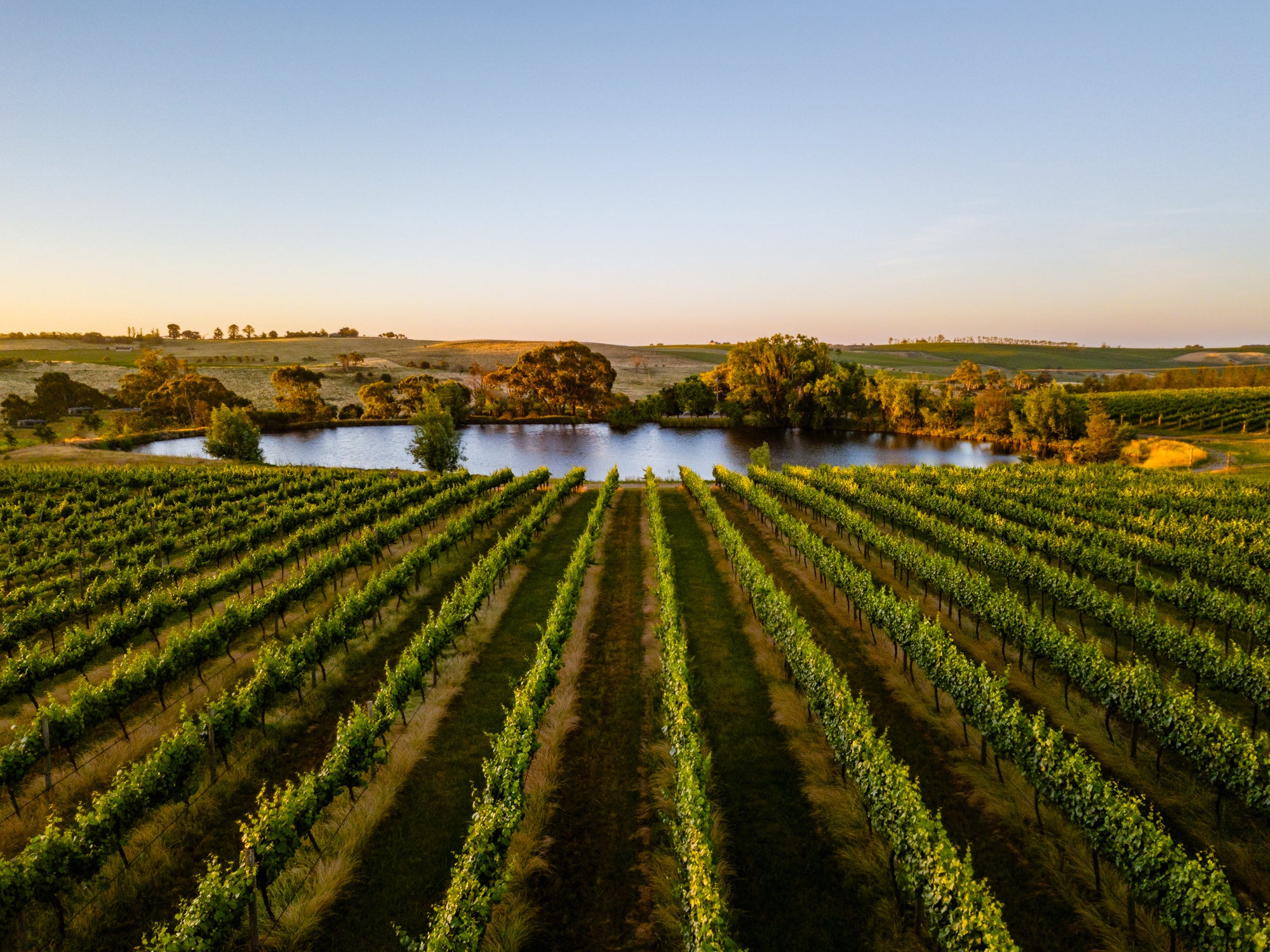
A Pinot Noir vineyard can look remarkably uniform at first glance, yet the fruit ripening on each row may tell a different story. Pinot Noir Clones are one reason: they influence the perfume, berry size, tannin, colour and rhythm of ripening that a winemaker has to work with. For lovers of fine cool-climate Pinot, they help explain why one wine feels silky and floral while another is darker, more structured or built for a longer rest in the cellar.
A clone is not a separate grape variety. It is a selected vine material from Pinot Noir that has been propagated because it showed desirable traits in the vineyard or winery. The differences can be subtle, but Pinot is a sensitive variety. Subtle differences matter when the aim is to make wine with precision, balance and a clear sense of place.
What Pinot Noir clones actually are
Pinot Noir has a long history of natural mutation. Over centuries, growers noticed individual vines that performed differently from their neighbours: perhaps they produced smaller bunches, deeper colour, more fragrant fruit or better results in a particular climate. Those vines were selected and multiplied by cuttings, creating distinct clones.
Clonal selection gives growers a more predictable starting point. A vineyard planted from selected material can be planned with greater confidence around vigour, yield, bunch architecture, disease risk and flavour profile. That said, a clone is never a recipe for a finished wine. Soil, elevation, aspect, season, vine age, canopy management and picking decisions can all change how it performs.
This is particularly true in a cool-climate region such as Orange. High-altitude sites bring a longer, slower ripening period, which can preserve natural acidity and build aromatic detail. A clone that produces generous fruit in a warmer setting may show more red-fruited restraint and spice when grown at elevation. In a very cool or wet season, the same clone may require extra patience in the vineyard to reach the right balance.
The Pinot Noir clones you may hear about
Names and numbers on a vineyard plan are often less romantic than what ends up in the glass, but they are useful shorthand for style. Dijon clones, developed and selected in Burgundy, are among the best-known Pinot Noir clones planted across Australia. Clones such as 114, 115, 667 and 777 are frequently discussed because each can contribute a different element to a blend.
Clone 115 is often valued for its bright red berry fruit, perfume and fine tannin. It can bring an appealing lift of cherry, raspberry and violet-like fragrance, especially when grown on a site with enough warmth to ripen its flavours without losing freshness.
The 667 and 777 selections are commonly associated with deeper colour, darker fruit characters and more structural presence. They can add density and mid-palate weight, although this depends entirely on the season and how generously the vines crop. Their contribution can be especially useful when a winemaker wants Pinot Noir with shape and persistence rather than only delicacy.
Pommard selections have a reputation for savoury depth, texture and earthy complexity. They can offer a more brooding register of Pinot, with dark cherry, forest floor and spice characters when conditions are right. Then there is MV6, a widely planted Australian selection that has become an important part of the country’s Pinot story. It is appreciated for fragrant red fruit, supple texture and a style that can feel immediately inviting while still developing with bottle age.
The Abel clone, sometimes called Gumboot, is another name wine drinkers may encounter. Its reputation rests largely on concentrated fruit and distinctive perfume. Yet no clone should be judged by reputation alone. Plant material performs differently from one vineyard to the next, and even experienced growers continue to learn what each block does best over successive vintages.
Why winemakers plant more than one clone
The finest Pinot Noirs are often blends of clones, even when they come from a single vineyard. This is not about disguising a weakness. It is about building detail.
One clone may provide the bright, fragrant top notes. Another brings the core of red and black cherry fruit. A third adds fine tannin, savoury spice or length through the finish. Blended carefully, these elements can make a wine feel complete without becoming heavy or overworked.
Clonal diversity also gives a vineyard resilience. Pinot Noir is vulnerable to changing weather around flowering and harvest. Different clones may flower or ripen at slightly different times, so a difficult weather event does not affect every parcel in precisely the same way. In a challenging vintage, this variation can be invaluable. It gives the grower and winemaker more options and can protect the overall quality of the wine.
For small-production, single-vineyard wines, separate clonal parcels are often picked and fermented on their own. The winemaking team can then taste through each component before deciding whether it belongs in the final blend, needs more time in barrel, or is better suited to a different expression of the vineyard.
Clone is only one part of the picture
It is tempting to read a clone number as a promise of flavour. In practice, this can lead wine drinkers astray. A 777 clone planted in deep, fertile soil and cropped generously will not taste the same as 777 grown on a leaner, cooler slope. Nor will it taste the same after a warm, dry season as it does after a long, mild vintage.
Site has the strongest voice. In Pinot Noir, it shows through the tension between fruit ripeness, acidity, tannin and aromatic complexity. A high-altitude vineyard may favour red cherry, wild strawberry, dried herbs and lifted spice. A warmer pocket within that vineyard might bring darker fruit, richer texture and a little more generosity. Good vineyard design recognises these differences rather than trying to flatten them out.
Rootstock choices, vine spacing and row orientation matter as well. So do practical decisions made during the growing season: shoot thinning, leaf removal, irrigation where permitted and necessary, crop levels, and the date of harvest. Pinot rewards attention because it can lose its balance quickly. Pick too early and the tannins may feel green; wait too long and the wine can lose its freshness and finesse.
Winemaking then frames what the vineyard has provided. Whole-bunch fermentation can introduce floral, herbal and spice notes, while destemming may place more focus on pure fruit and supple tannin. New French oak can add polish and subtle cedar or toast, but too much can overwhelm the detail that makes Pinot so compelling. Time and patience are usually more valuable than excessive intervention.
How to taste the influence of Pinot Noir clones
You do not need to identify a clone blind to appreciate its role. Instead, look for the layers in the wine. Begin with aroma: is it all fresh strawberry and rose petal, or does it move towards dark cherry, baking spice, dried leaves and earth? On the palate, notice whether the wine is light on its feet, softly textural, firmly structured or broad through the middle.
A well-composed Pinot Noir can carry both fragrance and substance. The best examples do not simply taste fruity. They have a sense of line, with acidity carrying the flavours through a long, savoury finish. This is where a thoughtful mix of vineyard blocks and clones can be felt, even if the label does not list every selection.
If you are comparing bottles at home, taste wines from different cool-climate regions side by side rather than focusing only on clone names. Pour them into proper glasses, avoid serving them too warm, and revisit each wine after 20 minutes. Pinot often reveals more of its savoury and floral character as it opens.
Choosing Pinot Noir for the table and cellar
For a relaxed dinner, look for a Pinot Noir with bright fruit, fine tannin and fresh acidity. It is one of the most versatile reds at the table, sitting comfortably beside roast duck, mushroom risotto, grilled salmon, pork cutlets and dishes built around earthy vegetables. A lighter, fragrant style can also be served with a gentle chill on a warm afternoon.
For a special occasion or the cellar, seek wines with concentration without heaviness. The clues are usually in the balance: ripe but not jammy fruit, tannins that are present but refined, and acidity that keeps the palate lively. These wines can become more complex over several years, developing dried rose, truffle, forest floor and savoury spice alongside their fruit.
At a cellar door, it is worth asking how the vineyard is divided, whether parcels are kept separate through fermentation, and what the winemaking team looks for when assembling the final blend. Those questions open a more interesting conversation than simply asking which clone is best.
Pinot Noir rewards curiosity, not rules. A clone may offer the first clue, but the real pleasure lies in tasting how that vine material, a particular season and a carefully farmed vineyard come together in the glass.
Also in Nashdale Lane Blogs & News

10 Best Anniversary Getaways in NSW for Couples

Wine Delivery Comparison for Better Bottles