

 Best Sellers
 White Wine
 Rosé
Rosé
 Red Wine
 Bundles
 Shop All
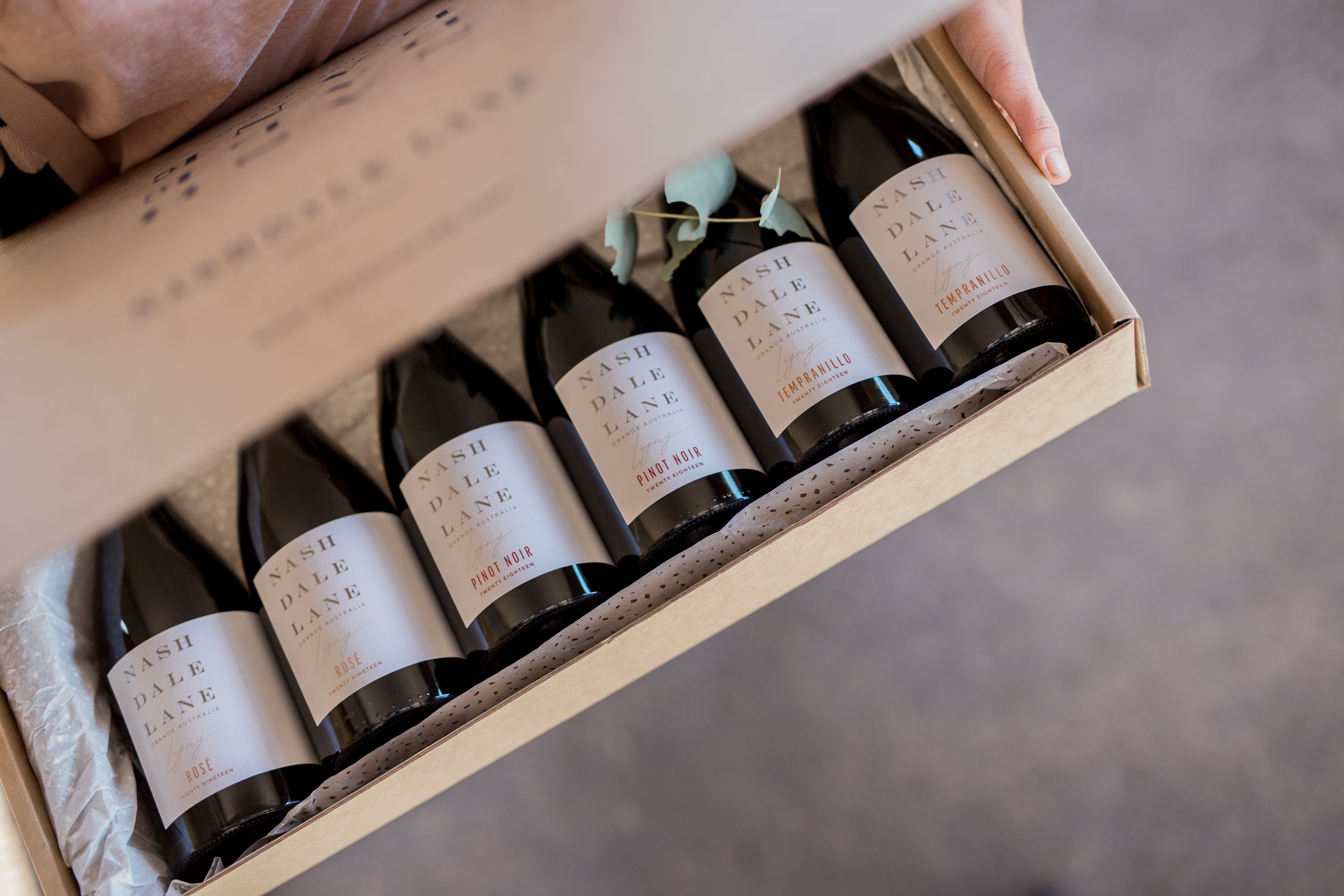


Shiraz Versus Tempranillo Wines Compared

A cool evening, a good meal on the table and two handsome reds waiting to be opened: this is where the question of Shiraz versus Tempranillo wines becomes genuinely useful. Both can offer depth, spice and serious food-pairing appeal, yet they arrive there by very different paths. One often leans into dark fruit and peppery warmth; the other favours savoury red fruit, fine tannin and an earthy, Mediterranean edge.
For drinkers choosing a bottle for dinner, a gift or the cellar, the difference is not simply a matter of grape variety. Place, vintage and winemaking choices all shape the final wine. In a cool-climate region such as Orange, altitude can bring another layer of fragrance, freshness and poise to both styles.
Shiraz versus Tempranillo wines: the essential difference
Shiraz is a dark-skinned variety with a broad stylistic range. In warmer Australian regions, it can be generous and full-bodied, with ripe blackberry, plum, liquorice, chocolate and sweet spice. In cooler vineyards, Shiraz often becomes more aromatic and finely structured, showing black pepper, violet, dark cherry, olive and fresh acidity alongside its darker fruit profile.
Tempranillo generally sits in a different part of the red-wine spectrum. Its fruit is more often red rather than black: cherry, raspberry, red plum and cranberry are common notes. It can also bring dried herbs, tobacco leaf, leather, earth and a distinctly savoury character as it develops. The tannins are usually firm but fine, while acidity is typically moderate, making Tempranillo feel composed rather than heavy.
If Shiraz is often chosen for its depth and plushness, Tempranillo appeals for its restraint and savoury detail. That is a useful starting point, but not a rule. A concentrated, barrel-aged Tempranillo can be powerful, while a high-altitude Shiraz can be remarkably elegant and lifted.
Flavour and aroma: dark fruit or savoury red fruit?
A glass of Shiraz often announces itself quickly. Depending on the site and season, expect blackberry, mulberry, blueberry or ripe plum, followed by pepper, clove, liquorice and sometimes cocoa. Oak can contribute cedar, vanilla or smoky notes, particularly in wines made for longer ageing. The best examples balance that richness with freshness, rather than relying on sheer weight.
Tempranillo is often more subtle on first pour. Look for red cherry, plum skin and wild strawberry, with savoury notes that may suggest dried oregano, tea leaf, tobacco or cedar. With time in the glass, it can become beautifully complex. That evolving character is one reason Tempranillo is such a rewarding bottle at the table: it has enough fruit to be welcoming, but enough savoury structure to hold attention through a meal.
For those who prefer a red with immediately generous fruit, Shiraz is usually the safer choice. If you enjoy wines that feel less sweet-fruited and more earthy, Tempranillo may be the better fit.
How climate changes the picture
Climate matters greatly for both varieties. Shiraz from a warm site may be rounder, richer and more alcoholic, with very ripe dark fruit. Cool-climate Shiraz tends towards black cherry, pepper, florals and tauter acidity. Neither is inherently better; the question is whether you want broad warmth or a more detailed, energetic expression.
Tempranillo ripens earlier than many red varieties, which is reflected in its Spanish name. In a suitable Australian site, that can help preserve varietal character while retaining freshness. Cooler conditions can sharpen its red-fruit profile and keep tannins refined. Too much heat, however, can make Tempranillo feel jammy or dry without delivering the perfume and savoury complexity that make it distinctive.
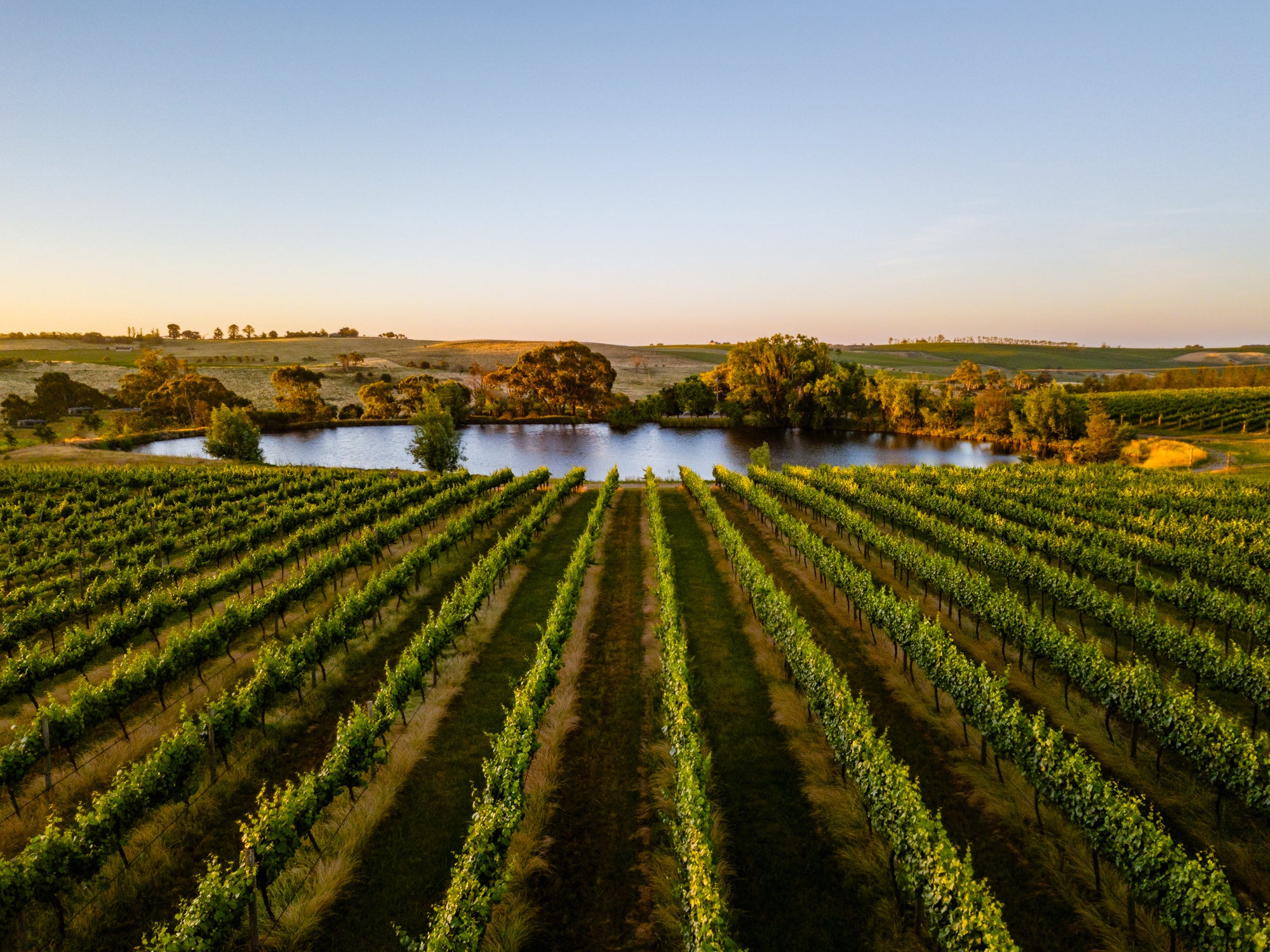
At Nashdale Lane, high-altitude growing conditions in Orange offer the long, measured ripening that can bring vibrancy and structure to red varieties. It is a style of place where freshness is not an afterthought - it is part of the wine’s shape.
Body, tannin and texture
Shiraz is commonly medium to full-bodied, though its texture varies considerably. Some styles are velvety and rounded, with ripe tannins that make the wine feel plush across the palate. Others, particularly from cooler sites or more restrained vintages, are firmer and more savoury, with peppery lift and a cleaner finish.
Tempranillo is usually medium-bodied, but it can carry impressive structure. Its tannins often feel chalky, powdery or fine-grained rather than thick and broad. The result is a wine with shape and grip, but not necessarily the dense palate weight associated with a traditional full-bodied Shiraz.
This difference can make Tempranillo especially useful when the menu includes richer dishes but the occasion calls for a wine that remains fresh. Shiraz can be more immediately comforting in winter or alongside chargrilled food. Tempranillo may be the more versatile choice across a longer lunch, particularly when there are tomato, herb or olive-based flavours on the table.
Food pairings that make each wine shine
Shiraz has a natural affinity with smoky, roasted and grilled flavours. Think slow-cooked lamb shoulder, pepper-crusted steak, beef pies, smoky barbecue ribs or a mushroom and lentil bake with plenty of caramelised edges. Its dark fruit and spice can stand up to char, richness and a little sweetness in a glaze.
Tempranillo is equally capable with food, but its savoury profile takes it in another direction. It is especially good with roast lamb, pork belly, chorizo, tapas, grilled vegetables, tomato-based pasta and hard, nutty cheeses. The wine’s red fruit and earthy notes often work beautifully with paprika, rosemary, saffron, roasted capsicum and olive oil.
There are exceptions worth remembering. A lean, peppery cool-climate Shiraz can be excellent with duck or roasted beetroot, while a structured Tempranillo with thoughtful oak can comfortably handle a rib-eye. Match the wine to its actual weight and flavour profile, not only the label.
Which wine should you buy?
Choose Shiraz when you want a red that feels generous, dark-fruited and warming. It is an easy companion for a hearty dinner, a fireside weekend or a gift for someone who enjoys classic Australian reds. A refined cool-climate example is particularly worthwhile for drinkers who want Shiraz character with brightness and savoury detail.
Choose Tempranillo when you want a red with red-fruit energy, fine structure and a more savoury finish. It suits people who enjoy Pinot Noir, Sangiovese or medium-bodied reds, but would like a little more tannin and depth. It is also an excellent choice for entertaining because it sits comfortably alongside a wide range of dishes.
For the cellar, both can reward patience. Quality Shiraz may develop game, leather, spice and earthy complexity over many years, depending on the vintage and style. Tempranillo can gain beautiful tobacco, dried herb and savoury notes with bottle age, while retaining its graceful red-fruit core. Check the producer’s drinking window, as oak treatment, fruit concentration and vintage conditions all affect ageing potential.
A simple way to taste them side by side
Pour the wines into separate glasses and begin with aroma before taking a sip. Notice whether the fruit reads as black and blue or red and plum-like. Then pay attention to texture: does the tannin feel broad and plush, or fine and dry? Finally, consider the finish. Shiraz may leave pepper, dark fruit and spice lingering on the palate; Tempranillo often finishes with red fruit, herbs and a gently earthy edge.
There is no need to decide which variety is superior. A well-made Shiraz and a well-made Tempranillo offer different pleasures, and both belong at a considered Australian table. The most satisfying choice is the bottle that suits the meal, the season and the people gathering around it - ideally opened early enough to give the wine a little air and the conversation plenty of time.
Also in Nashdale Lane Blogs & News

10 Best Anniversary Getaways in NSW for Couples

Wine Delivery Comparison for Better Bottles