

 Best Sellers
 White Wine
 Rosé
Rosé
 Red Wine
 Bundles
 Shop All

Why Single Vineyard Wines In Australia Taste Different

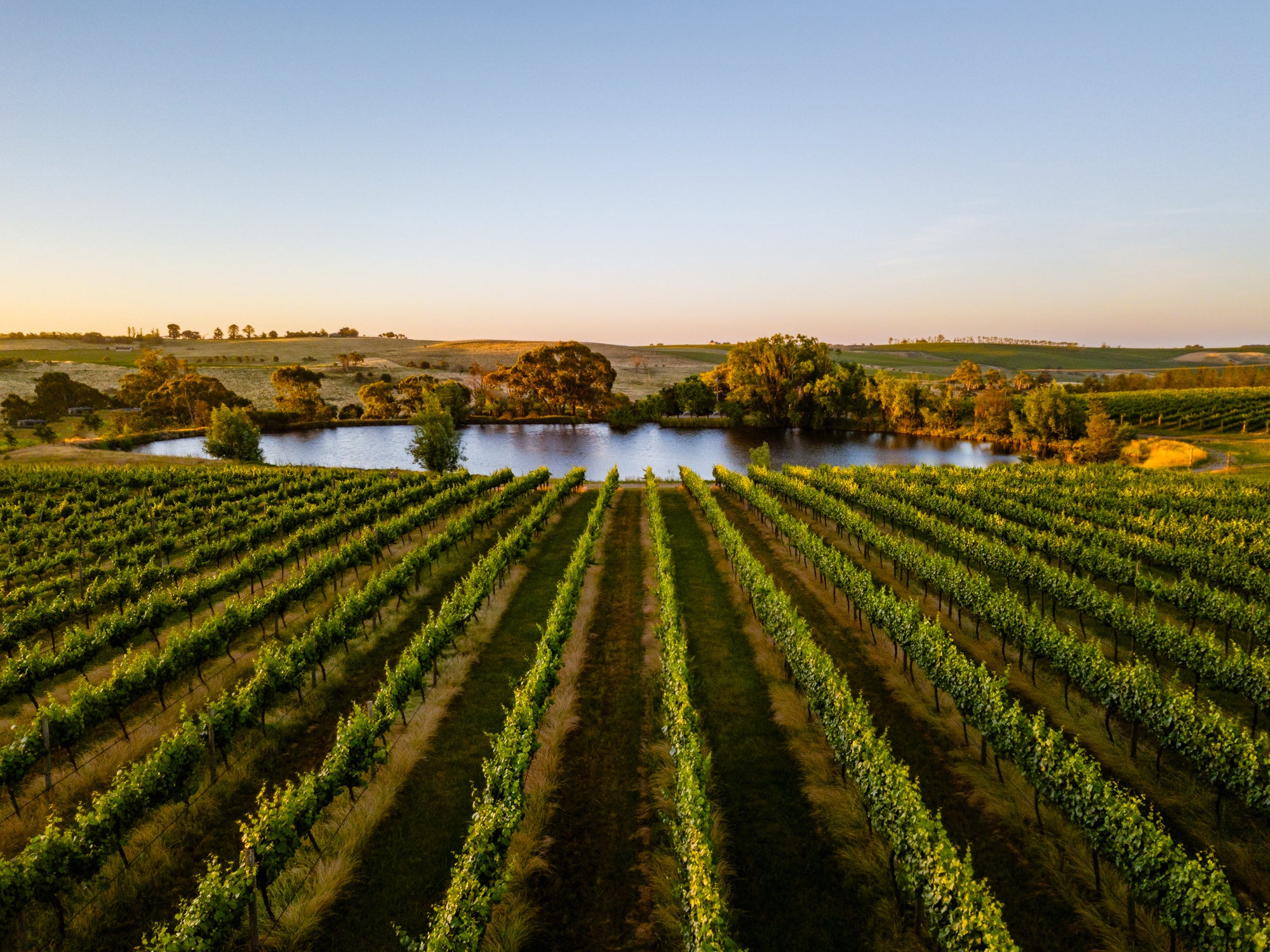
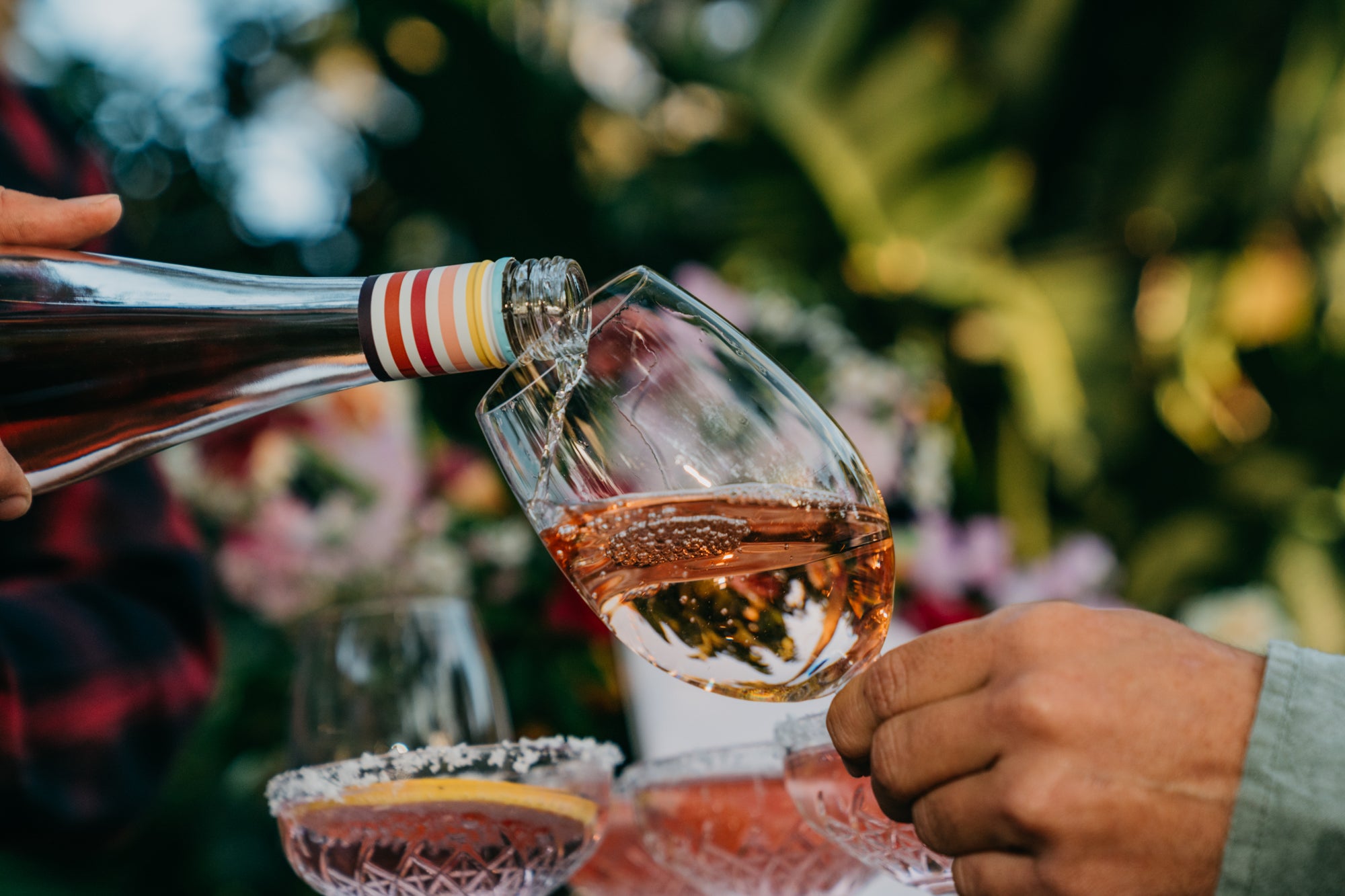
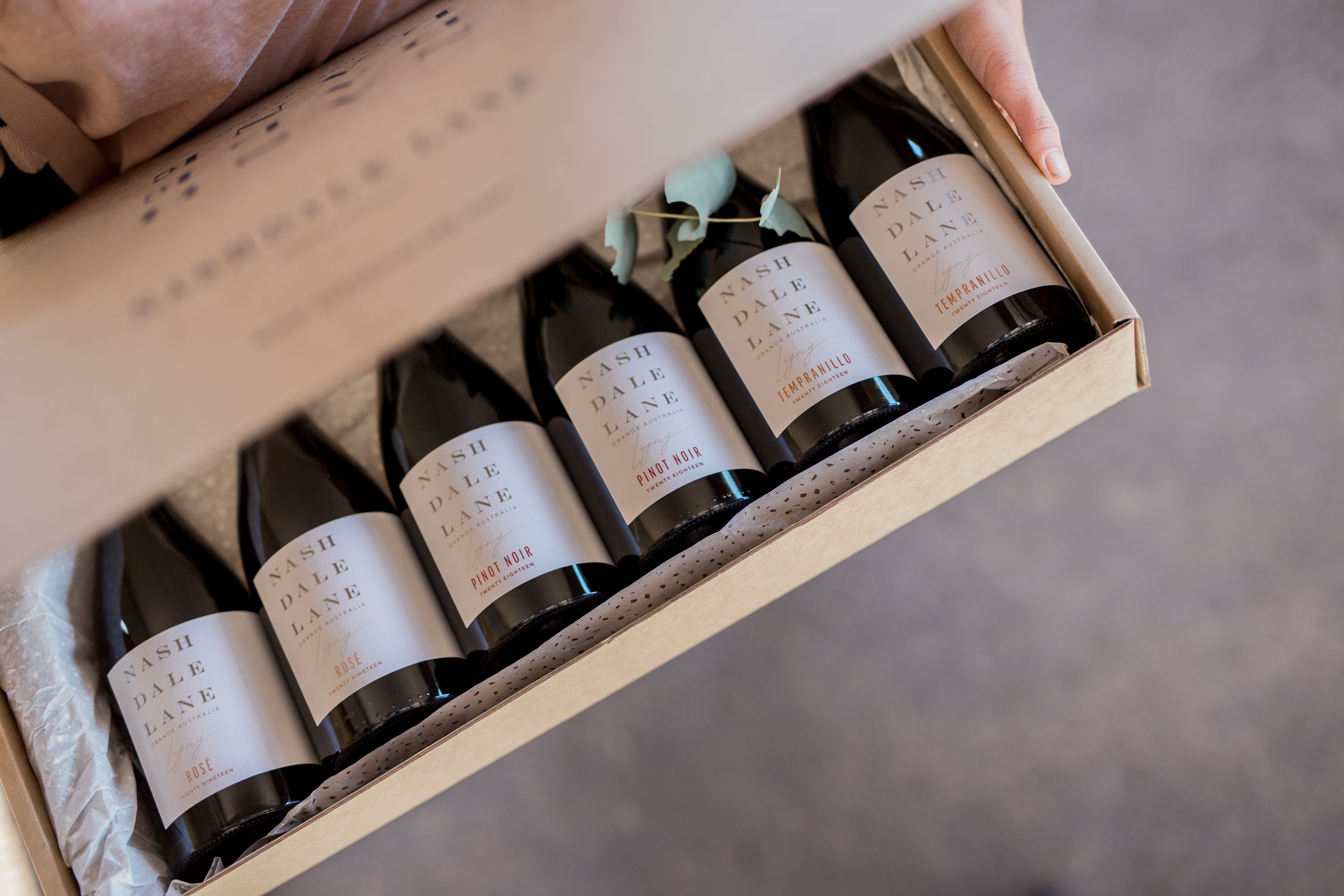
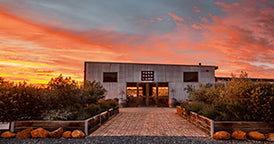
A bottle can tell you the variety and the vintage. The most memorable single vineyard wines Australia produces tell you something more precise: where the grapes grew, how that site met the season, and why the finished wine could not quite be replicated elsewhere. For drinkers who value provenance, that connection turns a good bottle into one with a genuine sense of place. Here at Nashdale Lane Wines we produce all our wines off our single vineyard site, the same site as the cellar door is located. Here's why we chose to be a single vineyard producer.
What makes a wine single vineyard?
Single vineyard means every grape in the wine comes from one defined vineyard site. It may be a small parcel within a larger property, or the whole vineyard, but it is not a blend of fruit from several locations. That distinction gives winemakers the chance to bottle a particular site rather than smooth its edges away with fruit from another region or block.
This does not mean blended wines are lesser wines. Blending is a skilled part of winemaking and can bring balance, complexity and consistency. A winemaker may combine parcels to build generosity in the palate, soften firmer tannins or bring brightness to a richer component. Single-vineyard winemaking simply makes a different promise: the wine is an honest expression of one place in one year.
For that promise to mean something, the vineyard needs to be managed with care. Vine age, clone selection, row orientation, soil, drainage and canopy management all influence the grapes. The winemaking then needs restraint. Too much new oak, heavy extraction or overt manipulation can easily obscure the very character the label is seeking to preserve.
Why single vineyard wines in Australia stand apart
Australia is often discussed through broad regional names, and those regions matter. Yet the country’s wine landscape is remarkably varied within short distances. A slope can be cooler than the neighbouring flat. A patch of red volcanic soil can sit beside a seam of clay. Morning fog may linger in one corner of a vineyard while another catches the first warm light.
These small differences are where single-vineyard wines become compelling. Rather than offering a general idea of Shiraz, Chardonnay or Riesling, they can show a particular version of it. A high, exposed site may produce tighter acidity and a more lifted perfume. A sheltered parcel might give fuller fruit and softer texture. Neither is automatically better. The interest lies in the contrast and in the clarity of the result.
Cool-climate regions are especially well suited to this conversation. Their longer ripening periods allow flavour to build gradually while acidity remains bright. In Orange, where vineyards sit at significant elevation, the combination of sunny days and cool nights can bring poise to white varieties and detail to finer-boned reds. Citrus, apple skin, white flowers and flinty freshness can sit naturally in a Riesling or Chardonnay, while Pinot Noir can hold onto red-cherry fragrance, savoury spice and elegant structure.
Altitude is not a shortcut to quality, of course. A vineyard still needs the right varieties for its site, considered farming and thoughtful decisions in the winery. But it can provide the conditions for wines with energy, length and the kind of freshness that makes another glass feel inviting rather than demanding.
The vineyard does the quiet work
A single-vineyard label begins long before harvest. It begins in the soil and continues through every decision made among the vines. Sustainable viticulture is not only about looking after the land for the long term, although that matters deeply. It is also about observing the vineyard closely enough to respond to what it needs, season by season.
Canopy management is a good example. Leaves protect bunches from excessive sun, but too much shade can slow ripening and increase disease pressure. Careful work helps achieve the balance: fruit with flavour, freshness and healthy skins. Crop levels matter too. When yields are managed for quality rather than volume, vines can focus their energy on ripening the fruit they carry.
Then there is the vintage. A cool growing season may deliver fine acidity, delicate aromatics and a more restrained palate. A warmer season can bring deeper fruit, broader texture and more generosity. Rain at flowering, heat near harvest and the timing of a cool change all leave their mark. This variation is not a fault to correct out of existence. For many collectors and curious drinkers, it is exactly why single-vineyard wines are worth following.
The best producers aim for consistency of care, not sameness of flavour. Time and patience in the vineyard and winery allow each vintage to retain its own character while still feeling unmistakably connected to the site.
A clearer way to taste varietal character
Single-vineyard wines are particularly rewarding when you enjoy comparing varieties. A vineyard-grown Riesling might be dry and finely structured, with lime, grapefruit and jasmine notes carried by crisp natural acidity. Pinot Gris from the same site could move towards pear, apple skins and a gentle, textural finish. Both are shaped by the vineyard, but each variety translates the conditions in its own way.
With reds, the contrast can be just as revealing. Pinot Noir often shows the lighter-footed side of a cool site: bright red fruit, earth, spice and silky tannin. Tempranillo may bring darker cherry fruit, dried herbs and a firmer savoury line. Shiraz can be fragrant rather than heavy, with black fruit, pepper and freshness in place of excessive sweetness or weight.
Winemaking choices remain important. Fermentation vessels, time on skins, maturation length and the proportion of oak all affect the final wine. The question is whether those choices frame the fruit or speak over it. In a carefully made single-vineyard wine, oak should add shape, spice or subtle creaminess without turning every glass into the same vanilla-scented experience.
When one vineyard is not the whole story
It is worth resisting the idea that single vineyard is a guarantee of excellence. A poorly farmed site does not become special because of the wording on its label, and a beautifully blended wine can be exceptional. The most useful question is not simply whether a wine comes from one vineyard, but whether the producer can explain why that vineyard deserves to be bottled on its own.
Look for detail rather than grand claims. A producer who talks clearly about elevation, soil, aspect, variety, vintage and winemaking intent is showing respect for provenance. Award recognition can be reassuring, but your own palate is the final judge. The right wine is the one whose style suits the occasion and makes you want to return to the glass.
Choosing a single-vineyard wine for the occasion
For a relaxed lunch, a vibrant single-vineyard white can be a lovely place to start. Dry Riesling suits freshly shucked oysters, Asian-inspired dishes and goat’s cheese, while a textured Pinot Gris or Chardonnay works beautifully with roast chicken, creamy pasta or a generous cheese board. Their freshness keeps the table lively.
For dinner, consider the weight of the dish rather than only the colour of the wine. Pinot Noir is a natural companion for duck, mushrooms and salmon. Tempranillo has the savoury confidence for chargrilled lamb, chorizo or smoky vegetables. A cool-climate Shiraz can be a fine choice for slow-cooked beef, provided the wine has enough structure and spice to meet the richness.
A premium, small-production bottling is also a thoughtful gift. It says more than that you picked a nice label. It offers a story of place, vintage and craft, making it ideal for a milestone, a host who enjoys wine, or a cellar that deserves a bottle with potential to evolve. If cellaring is the plan, ask about the wine’s acidity, tannin, balance and recommended drinking window. Not every single-vineyard wine needs years in the cellar, and plenty are made to be enjoyed while their fruit and perfume are at their most expressive.
Taste the place, not just the label
The most rewarding way to understand a vineyard wine is to taste it slowly. Notice the aroma before the first sip. Is it floral, citrusy, stony, spicy or savoury? On the palate, consider its shape: light and linear, broad and creamy, bright and juicy, or firm and structured. Then come back after food. The wine may reveal another side of itself.
A cellar-door tasting makes that connection even more immediate. Looking across the vines, feeling the cooler air and hearing how a family approaches each season gives the bottle context that no technical sheet can fully capture. At Nashdale Lane, the high-altitude Orange vineyard, hand-crafted wines and unhurried setting offer a fitting way to experience how site and hospitality belong together.
Next time you choose a bottle, let the vineyard name invite a little curiosity. Open it with food, good company and enough time to notice what that one patch of Australian ground has to say.
Also in Nashdale Lane Blogs & News

10 Best Anniversary Getaways in NSW for Couples

Wine Delivery Comparison for Better Bottles