

 Best Sellers
 White Wine
 Rosé
Rosé
 Red Wine
 Bundles
 Shop All
Sustainability in our vineyard

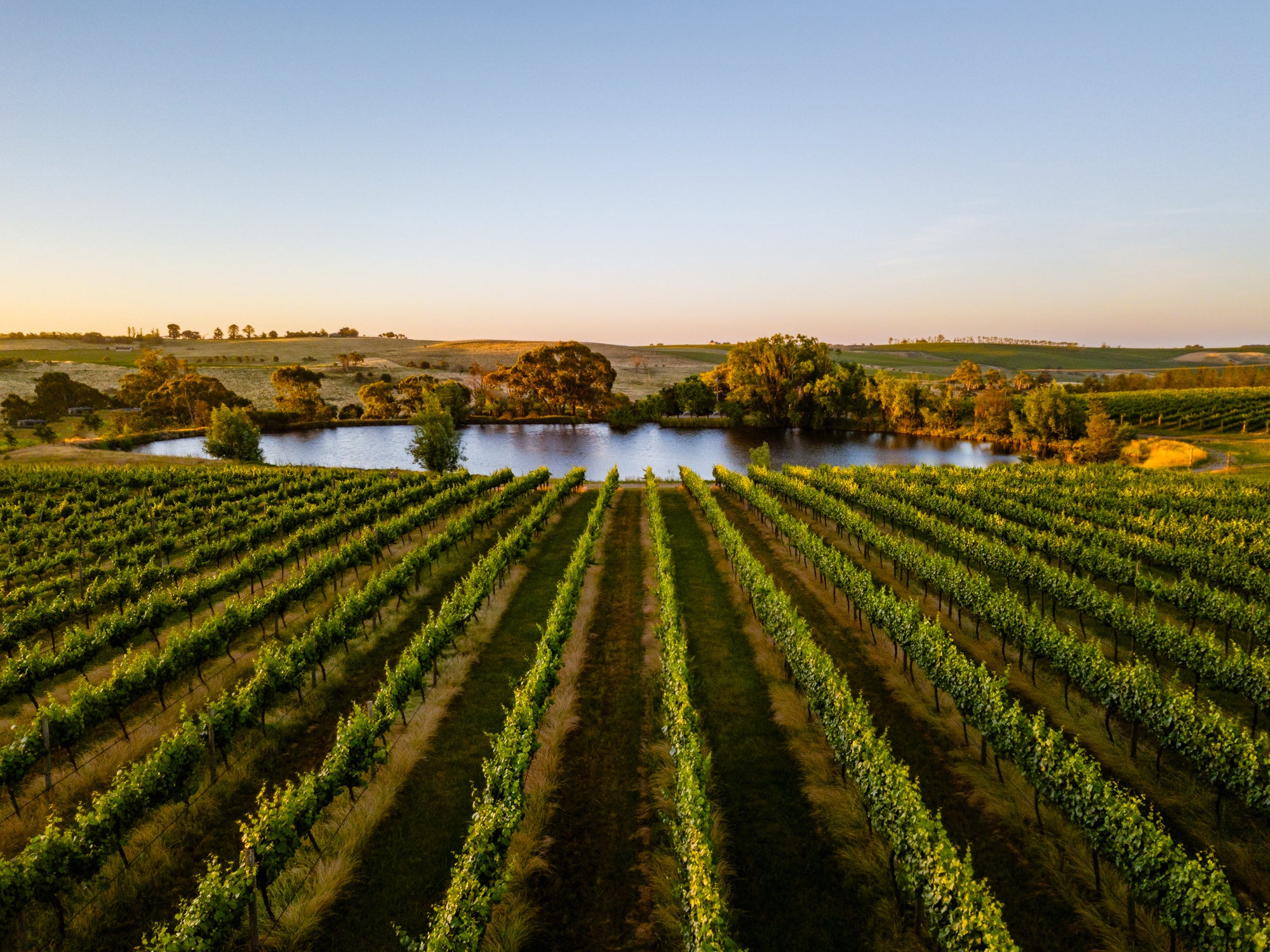
A vineyard is never simply a backdrop to the wine in the glass. It is a living system of soil, vines, insects, weather and human judgement, shaped season by season. This sustainable vineyard case study looks at what that responsibility can mean in a high-altitude, cool-climate setting such as Orange, where careful farming supports both the land and the character of the fruit.
For a family-owned vineyard, sustainability is not a badge applied at bottling. It is a long-term commitment to making thoughtful decisions when the easy option may be quicker, cheaper or more predictable in the short term. The reward is fruit with a clearer sense of place - bright acidity, natural balance and the detail that makes a single-vineyard wine worth lingering over.
The starting point: a vineyard built for the long term
Nashdale Lane Wines was planted in 2001, with varieties selected for the cool conditions and elevated site of the Orange region. That foundation matters. Sustainable viticulture begins with matching the right grape variety and rootstock to a site, rather than trying to force a vineyard to behave like somewhere else.
Cool-climate vineyards can offer a valuable advantage: slower ripening. Grapes have time to build flavour while holding on to the fresh acid line that gives Riesling, Chardonnay, Pinot Noir and other site-sensitive varieties their energy. Yet cooler conditions do not remove the challenges. Frost, rain at sensitive times, disease pressure and uneven seasons all require close attention.
The sustainable question is not whether a grower should intervene at all. Vines are a crop, and quality fruit takes care. The more useful question is whether each intervention is measured, timely and appropriate for the vineyard’s long-term health.
Soil health is where the work begins
Healthy soil does more than anchor a vine. It holds water, cycles nutrients, supports beneficial biology and helps vines respond more steadily when conditions turn dry or hot. In practical terms, soil care is one of the clearest connections between sustainable farming and better wine.
A thoughtful approach considers groundcover between vine rows, organic matter, soil structure and compaction. Cover crops can protect bare earth from erosion, provide habitat for insects and, when managed well, add organic material back into the system. They can also compete with vines for moisture, however, which is why the right choice depends on rainfall, soil type and the needs of the season.
That trade-off is important. Sustainability is not about leaving every row untouched. In a dry year, growers may need to manage under-vine growth carefully so young vines and established blocks are not placed under avoidable stress. The aim is resilience, not a rigid set of rules.
Monitoring makes the difference. Soil observations, moisture checks and an understanding of how each block performs allow decisions to be made before problems become expensive or irreversible. A vineyard with living, well-managed soils is generally better placed to produce even ripening and concentrated fruit without chasing excess vigour.
Why vine balance matters in the glass
A vine carrying too much leaf growth can create shaded fruit and increase disease risk. A vine under too much stress can stop ripening before flavours have fully developed. Sustainable vineyard management seeks a middle ground: enough canopy to protect bunches, enough airflow to keep them healthy, and enough sunlight to develop flavour without cooking the fruit.
This is especially relevant for premium, small-production wines. When the best fruit is selected for a flagship release, the detail seen in the glass often began months earlier with careful canopy work, crop management and patient observation in the vineyard.
Water use requires precision, not assumptions
Water is one of the most pressing considerations for Australian vineyards. A sustainable approach treats it as a precious resource, using it only where and when it adds genuine value to vine health and fruit quality.
There is no single irrigation formula that suits every block. Vine age, soil depth, variety, canopy size and weather all influence demand. A young vine with a developing root system has different needs from a mature vine rooted deeply into an established site. Likewise, a heat spike in late summer may call for a different response to a mild, dry spring.
The most responsible approach is based on observation and measured information rather than habit. Soil moisture, vine condition and forecast conditions can guide decisions so that water supports the plant without encouraging unnecessary growth. This protects a limited resource while helping maintain the fresh, focused fruit profile expected from cool-climate wines.
There is a wine quality dimension, too. Overwatering can dilute flavour and promote leafy growth. Too little water can lead to stressed vines and uneven ripening. Precision is the point. The goal is grapes that arrive in the winery with natural balance, not fruit that needs to be corrected into shape.
Biodiversity gives the vineyard more allies
A vineyard is more resilient when it is not treated as a monoculture from fence to fence. Native vegetation, groundcover and non-crop habitat can support beneficial insects, birds and broader ecosystem health. That does not mean every creature is helpful at every moment, but it does mean the vineyard has more natural checks and balances available.
Integrated pest management is a useful way to think about this. Rather than reaching first for a broad response, growers observe pest and disease pressure, consider thresholds, and choose the lightest effective action. Good airflow, canopy management and sound vineyard hygiene can reduce pressure before a treatment is needed.
Some seasons will still demand decisive action. Extended wet weather can create serious disease risk, particularly around flowering and harvest. The sustainable choice is not to ignore that risk and lose the crop. It is to respond carefully, use the most appropriate option and learn from what the season has revealed about each vineyard block.
Sustainability includes people and place
Environmental care is central, but it is not the whole story. A vineyard must also be viable enough to remain in the hands of people who know it well. Family ownership brings a particular kind of accountability: decisions made now will shape the vines, business and landscape for years to come.
At a vineyard destination, this connection becomes visible. Guests tasting a glass of Pinot Gris or Pinot Noir are not just hearing a story about a region. They can see the rows, feel the change in temperature as evening settles over the site, and understand why vintage variation is part of the appeal rather than a flaw to be disguised.
Sustainability also asks visitors to value that variation. A warmer season may bring riper stone fruit in Chardonnay. A cooler year can sharpen the citrus and floral edge of Riesling or bring a more delicate line to Pinot Noir. Consistency of care matters, but identical outcomes are neither realistic nor particularly interesting in fine wine.
What this sustainable vineyard case study tells us
The strongest sustainable vineyard approach is rarely dramatic. It is expressed through dozens of considered decisions: protecting soil structure, managing water precisely, encouraging biodiversity, adjusting the canopy, responding to seasonal pressure and accepting that quality sometimes requires patience.
For wine drinkers, this is worth knowing because sustainable practice is not separate from flavour. It helps create wines with poise, definition and an honest connection to where they were grown. The next time you open a cool-climate bottle, take a moment with the aromas, texture and length. Behind that glass is a vineyard making choices for the season at hand and the decades still to come.
Also in Nashdale Lane Blogs & News

10 Best Anniversary Getaways in NSW for Couples

Wine Delivery Comparison for Better Bottles