

 Best Sellers
 White Wine
 Rosé
Rosé
 Red Wine
 Bundles
 Shop All
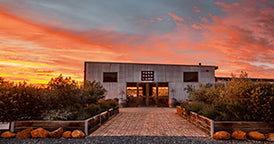

Why the Orange NSW Wine Region Tastes Different

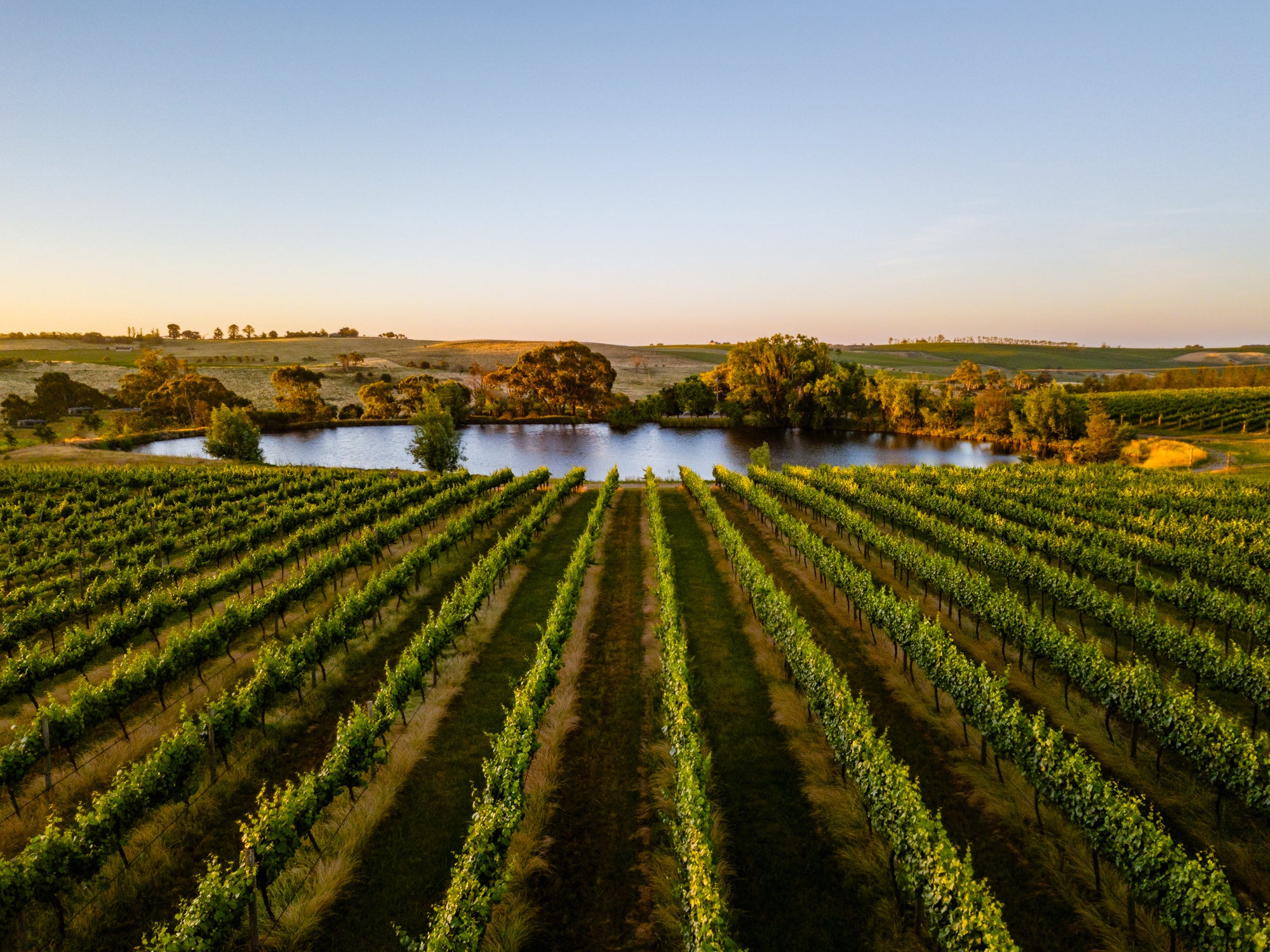
There is a point on the road west of Sydney where the landscape rises, the air sharpens and the pace changes. The Orange NSW wine region sits high on the slopes around Mount Canobolas, and that elevation gives its wines a distinctive sense of freshness. For wine lovers, it is a region worth knowing not simply for its cellar doors, but for what happens in the glass: bright natural acidity, measured ripeness and varietal character that remains beautifully clear.
Orange is a generous place to visit, with farm gates, good food and wide country views, yet its wines are never only about the scenery. This is a serious cool-climate region where careful vineyard work and patient winemaking can produce bottles with energy, texture and the capacity to age.
What makes the Orange NSW wine region unique?
Altitude is the defining detail. Vineyards across the Orange region are commonly planted between roughly 600 and 1,000 metres above sea level. As vineyards climb, daytime warmth is balanced by cooler nights. Grapes can ripen steadily while retaining the acidity that gives wine its poise and length.
That contrast matters. In a warmer site, sugar can develop quickly and grapes may reach ripeness before their flavours have had time to build complexity. At elevation, a longer growing season lets fruit develop more gradually. Whites can hold citrus and floral detail; reds can carry generous fruit without becoming heavy.
Orange is also not one uniform vineyard zone. Aspect, soil, slope and elevation vary markedly from site to site. A block on a protected slope may ripen differently from one exposed to cooler winds, even within a short drive. This is why single-vineyard wines are so rewarding here: they can show a genuine sense of where they were grown rather than a broad regional blend of flavours.
The volcanic soils around Mount Canobolas add another part of the story. They are varied, often well drained, and can support vines that work hard for their water and nutrients. There is no single flavour that can be credited to soil alone, but it contributes to the structure, line and savoury detail seen in many Orange wines.
A region made for fresh, expressive varieties
Cool conditions give Orange producers an unusually broad palette. The best variety for any particular vineyard depends on its elevation, exposure and season, but several styles have become particularly at home here.
Riesling and aromatic whites
Riesling is one of Orange's most compelling calling cards. At its best, it is dry, finely structured and full of citrus lift, with lemon, lime, grapefruit and delicate floral notes. The region's acidity gives Riesling a clean, mouth-watering finish, making it an easy match for fresh seafood, spicy dishes or a long lunch where a refreshing wine is called for.
Pinot Gris also suits the region's bright, cool-climate profile. Depending on the winemaking approach, it can move from crisp pear and apple skin character to a more textural style with gentle spice and weight through the palate. It is a versatile bottle to have on hand for relaxed entertaining.
Arneis offers another rewarding expression, often bringing white stone fruit, pear, jasmine and almond-like savoury notes. It is a variety for drinkers who enjoy something a little less familiar but still elegant and approachable.
Chardonnay with restraint and depth
Orange Chardonnay is not defined by one formula. Some producers favour bright citrus and white peach fruit with little overt oak, while others use barrel fermentation and time on lees to build creaminess, complexity and subtle cashew notes.
The point is balance. Cool-climate acidity can carry barrel influence without letting it dominate the fruit. For those who enjoy a more composed, food-friendly Chardonnay rather than a broad, overly buttery style, Orange is an excellent place to look.
Pinot Noir, Shiraz and more
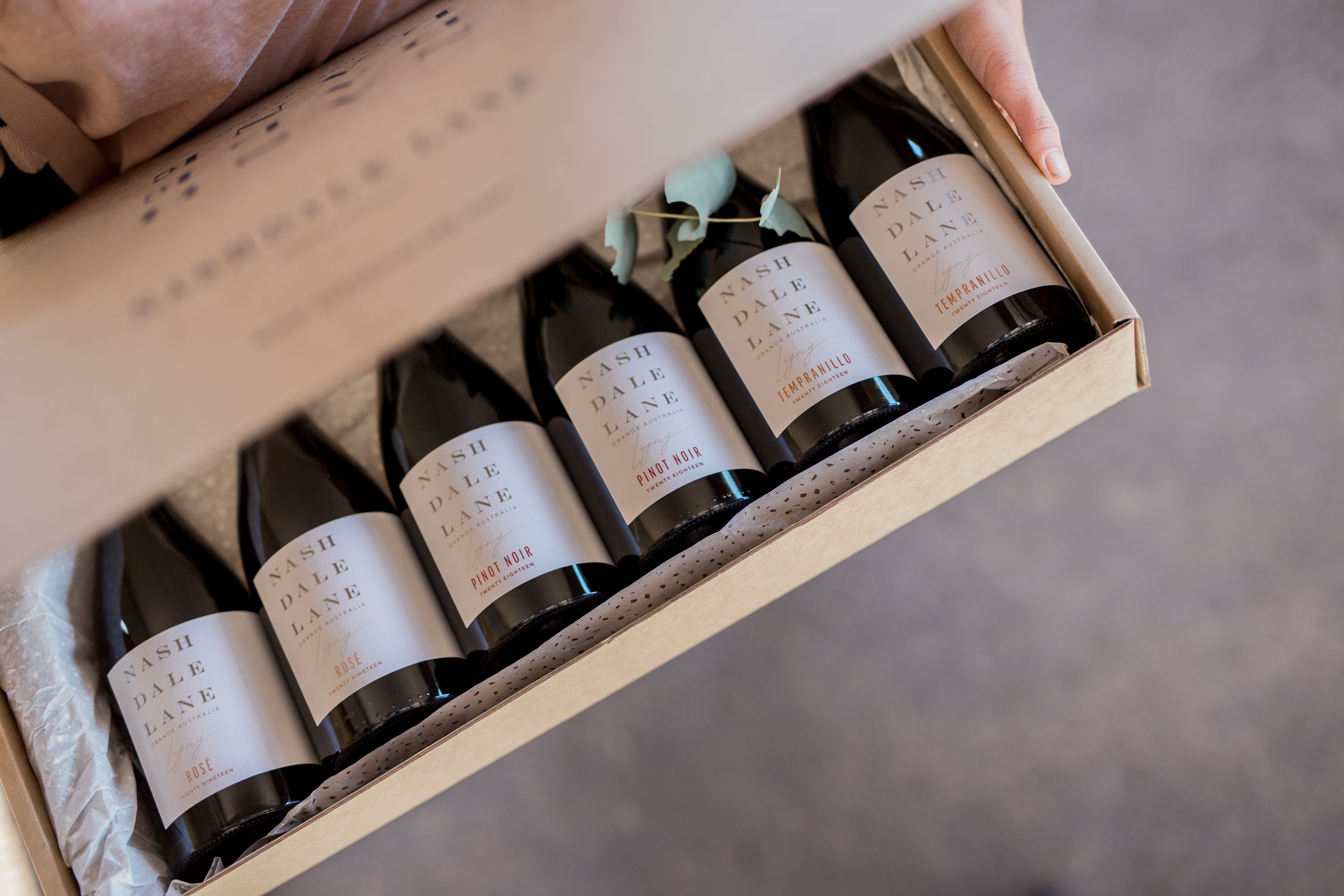
Pinot Noir benefits from long, even ripening. In Orange, it can show red cherry, strawberry, subtle spice and earthy undertones, with fine tannins rather than sheer power. It is a wine that rewards a little attention at the table, particularly alongside duck, mushroom dishes or charcuterie.
Shiraz has a different expression here from hotter Australian regions. Expect dark berry fruit and spice, but often with a fresher line, medium-bodied shape and peppery detail. It can be generous without losing its composure.
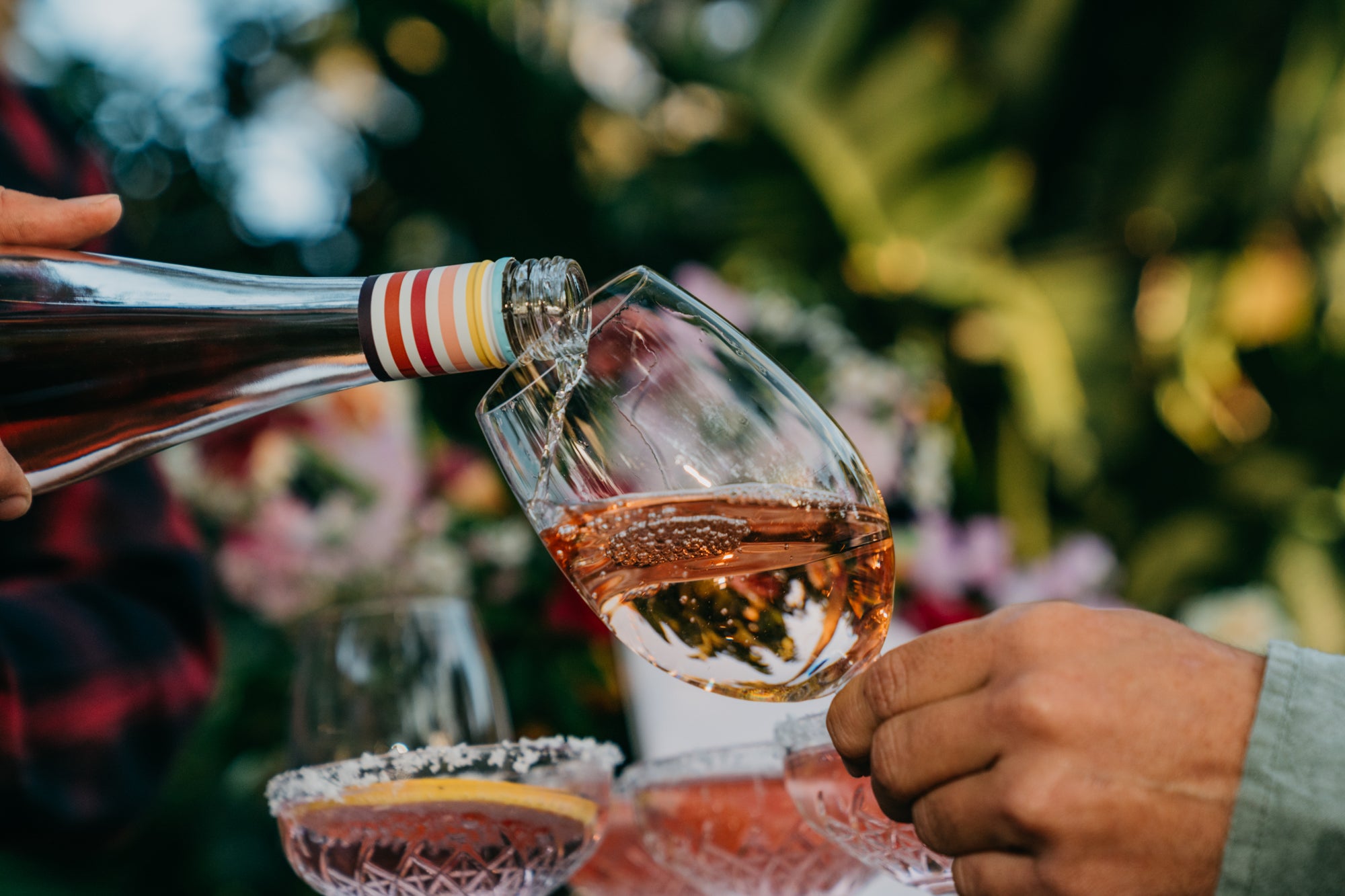
Tempranillo is another variety gaining interest for good reason. Its savoury edge, bright red and black fruit and firm, food-ready tannin structure make it a natural companion for grilled lamb, tapas and slow-cooked dishes. Rosé, too, feels right at home in the Orange landscape: dry, vibrant and built for sunny afternoons.
Vintage variation is part of the appeal
The Orange NSW wine region is not a place where every vintage tastes the same, and that is a strength. A cooler season may create tighter acidity, delicate aromatics and wines that benefit from time in the cellar. A warmer, drier season can bring fuller fruit and a more immediate, open expression.
For collectors, that variation gives each vintage its own story. For everyday drinkers, it is a useful reminder to ask what style is in the bottle rather than choosing by variety alone. A good cellar-door tasting is the ideal setting to compare wines, understand the season and find bottles that suit your palate.
Frost, rain at flowering and summer heat all present challenges. Quality is not automatic at altitude. It is earned through close vineyard observation, sound canopy management, thoughtful picking decisions and a willingness to work with the season rather than force a predetermined style.
That is also where family-owned vineyards can make a difference. When the people making decisions are closely connected to the site, there is often a more intimate understanding of each block and each year's conditions. Hand-crafted wine is not about unnecessary intervention. It is about making precise calls at the right time.
How to taste Orange wines with confidence
A visit to Orange need not be an exercise in wine jargon. Start with what you notice: the aroma, the texture, the balance between fruit and acidity, and the way the flavour stays with you after a sip. Freshness is often the thread that connects the region's wines, though it will show itself differently in a zesty Riesling, a layered Chardonnay or a finely structured red.
When tasting, compare wines by style rather than trying to decide which is objectively best. A crisp, dry white might be perfect for an afternoon platter. A barrel-aged Chardonnay could be the better choice for roast chicken. A fragrant Pinot Noir may suit dinner tonight, while a structured Shiraz or flagship red could be put away for a special occasion.
It helps to ask about vineyard altitude, vintage and oak treatment, particularly if you already know the styles you enjoy. There is no need to overthink it. The most useful question is often the simplest: what food would you serve with this wine, and when would you open it?
Make a weekend of the vineyard
Orange has earned its place as one of New South Wales' most appealing wine escapes because the experience extends beyond the tasting bench. Mornings can begin with a walk among the vines, afternoons with a considered tasting and local produce, and evenings with a bottle opened slowly as the light changes across the hills.
At Nashdale Lane Wines, the high-altitude vineyard setting brings that connection between place and wine into focus. A tasting is an opportunity to understand the fruit behind each bottle, while a vineyard stay offers couples the rare pleasure of settling into the countryside rather than rushing back to town.
If you are travelling from Sydney for a weekend, allow time to linger. Book experiences ahead, particularly in harvest, on long weekends and during the cooler months. Keep your itinerary spacious enough for an unplanned stop, a second glass of a favourite wine, or a conversation with the people who know the season best.
The most memorable Orange wines are often the ones that carry you back to a particular table, view or conversation. Choose bottles with enough freshness to enjoy now, enough character to share, and perhaps one or two worth saving for the next reason to gather.
Also in Nashdale Lane Blogs & News

10 Best Anniversary Getaways in NSW for Couples

Wine Delivery Comparison for Better Bottles