

 Best Sellers
 White Wine
 Rosé
Rosé
 Red Wine
 Bundles
 Shop All


Selecting Australian Pinot Noir With Confidence

A Pinot Noir can look deceptively simple in the glass: pale ruby colour, bright red fruit and a perfume that asks you to slow down. Yet selecting Australian Pinot Noir is rarely just a matter of choosing the prettiest label or the most familiar region. Site, season and winemaking decisions have a pronounced effect on this finely tuned variety, and that is exactly what makes it so rewarding to buy, share and cellar.
For a relaxed dinner, a thoughtful gift or a few bottles set aside for a special occasion, start with the style you enjoy rather than a fixed rule about what Pinot Noir should be. The best choice is the one that suits the moment, the food and your own palate.
Start with the place behind the Pinot Noir
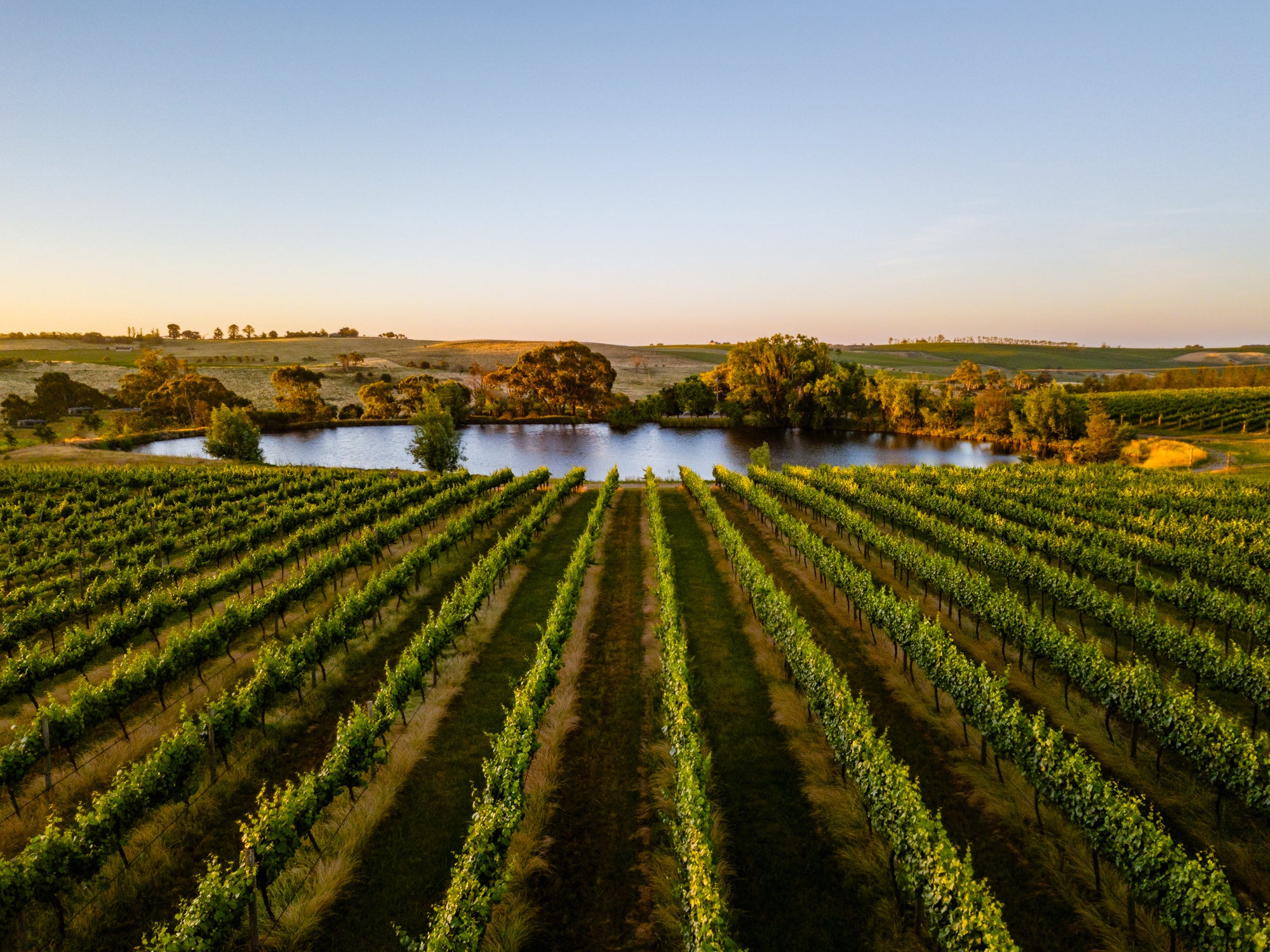
Pinot Noir is at its most expressive in cooler Australian vineyards. It needs a long, gentle ripening season to hold on to freshness while developing flavour and supple tannins. That is why names such as Tasmania, the Yarra Valley, Mornington Peninsula, Adelaide Hills and Orange are useful clues when selecting a bottle.
These places do not make identical wines. Tasmania often delivers fine-boned Pinot Noir with lively acidity, red cherry and earthy, sometimes savoury detail. The Yarra Valley can offer perfume, silky texture and a balance of red and darker berry fruits. Mornington Peninsula wines may feel more generous through the middle palate, while Adelaide Hills Pinot Noir often brings brightness and fragrant spice.
Orange, in New South Wales, deserves attention for a different reason: altitude. Vineyards planted high above sea level can experience warm days and markedly cooler nights, helping Pinot Noir retain natural acidity and aromatic lift. The result is often a graceful wine with red cherry, raspberry, subtle spice and enough structure to sit comfortably at the table.
Regional shorthand is helpful, but it is not a guarantee. A warmer vintage in a traditionally cool area may produce riper fruit and a softer profile. A carefully managed vineyard in a warmer pocket may still make a vivid, restrained Pinot. Think of region as the first chapter, not the whole story.
Read the label when selecting Australian Pinot Noir
A label can tell you more than a producer's name and a vintage. Look for details such as a named vineyard, a single-vineyard designation or a specific subregion. These details usually signal that the wine has been made to show a particular site, rather than blending fruit from a broad area for a consistent house style.
Single-vineyard Pinot Noir is often a worthwhile choice when you are buying for a gift, a dinner with people who enjoy wine, or a modest cellar. It can offer a more distinct sense of place, though it may also be less predictable from year to year. That variation is part of the appeal. Pinot Noir is not meant to taste the same in every season.
The vintage matters, particularly if you are buying more than one bottle. Cooler, longer seasons can produce wines with freshness, perfume and firmer structure. Warmer seasons may lean towards darker fruit, rounder texture and earlier drinking appeal. Neither is automatically better. If you favour tension and savoury detail, seek a cooler-looking vintage style. If you prefer plush fruit and immediate generosity, a warmer year may be your preference.
Producer notes can also give useful direction. Phrases such as red cherry, wild strawberry, rose petal, forest floor, dried herbs, whole bunch, French oak and fine tannins are not decorative filler. They point to the wine's likely shape and flavour. Read them as a guide, then allow your own taste to have the final word.
Choose your preferred style: bright, savoury or generous
Australian Pinot Noir sits on a wide spectrum. A bright, fruit-forward style might show cranberry, raspberry and cherry, with crisp acidity and very modest oak. This is an excellent choice for a warm evening, lighter meals or guests with varied tastes. It is approachable without being simplistic.
A more savoury Pinot Noir may carry notes of dried leaves, spice, mushroom, undergrowth or charcuterie. These wines can be especially compelling with food and are often the bottles that reveal more over an hour at the table. They may seem restrained when first opened, so give them a little air before deciding what they have to say.
Then there are richer, more structured examples, shaped by riper fruit, thoughtful oak or both. These can bring black cherry, plum, clove and a velvet-like palate. They are well suited to roast duck, pork with crackling or a mushroom risotto finished with aged parmesan. The trade-off is that too much oak can cover Pinot Noir's natural fragrance, so look for descriptions that emphasise balance, integration and fine tannins rather than sheer power.
There is no prize for choosing the lightest or most expensive bottle. Pinot Noir is about proportion. A wine with perfume, freshness and quiet persistence will often give more pleasure than one trying to make a bold statement.
How much oak is right for Pinot Noir?
Oak should support the fruit, not take centre stage. New French oak can add spice, cedar, toast and texture, while older barrels allow the vineyard character to remain more exposed. Some winemakers also use whole-bunch fermentation, including a proportion of stems, to build fragrance, spice and a gentle tannic framework.
If you enjoy Chardonnay with noticeable toast and creamy texture, you may appreciate a Pinot Noir with a little more barrel influence. If you favour pure, fresh reds, seek words such as delicate, lifted, perfumed or lightly oaked. Neither approach is inherently superior. It depends on whether you want the wine to feel immediately plush or more finely etched.
Match the bottle to the occasion
For a casual weeknight meal, choose an accessible Pinot Noir from a cool-climate region and drink it while its fruit is open and lively. It works beautifully with grilled salmon, chicken, pork sausages or a pizza topped with mushrooms and herbs. Pinot Noir's moderate tannins make it a friendly red where heavier varieties can feel too forceful.
For entertaining, choose a wine with a little more concentration and structure. A single-vineyard release can make a considered centrepiece without overwhelming the menu. Pinot Noir is particularly generous at the table because it can move from duck or quail to vegetarian dishes built around lentils, beetroot or roasted mushrooms.
For gifting, provenance helps. A clearly named region, vintage and vineyard gives the bottle a story, while a premium presentation or small-production release signals care. A flagship Pinot Noir can be a lovely gift for someone who values craftsmanship, but an elegant everyday bottle is often the better choice for someone who simply enjoys sharing good wine with friends.
If you are buying to cellar, ask whether the wine has the acidity, tannin and fruit concentration to evolve. Most well-made Australian Pinot Noir will give pleasure young, but the better examples can develop savoury complexity over five to 10 years, sometimes longer. Buy a few bottles rather than one, if you can. Opening one now and another later is the clearest way to understand how a wine changes.
Serve it with a little care
Pinot Noir is often served too warm. Aim for around 14 to 16 degrees Celsius, which is cooler than a typical room and warmer than the fridge. On a hot Australian afternoon, 15 to 20 minutes in the fridge before pouring can make a remarkable difference, sharpening the perfume and keeping the alcohol in balance.
A large-bowled glass helps the aromas gather, but there is no need to make serving feel ceremonial. If the wine is youthful or tightly wound, open it 20 to 30 minutes before dinner. Decanting can help a structured bottle, although a gentle pour into a jug is plenty. With delicate, mature Pinot Noir, restraint is wiser.
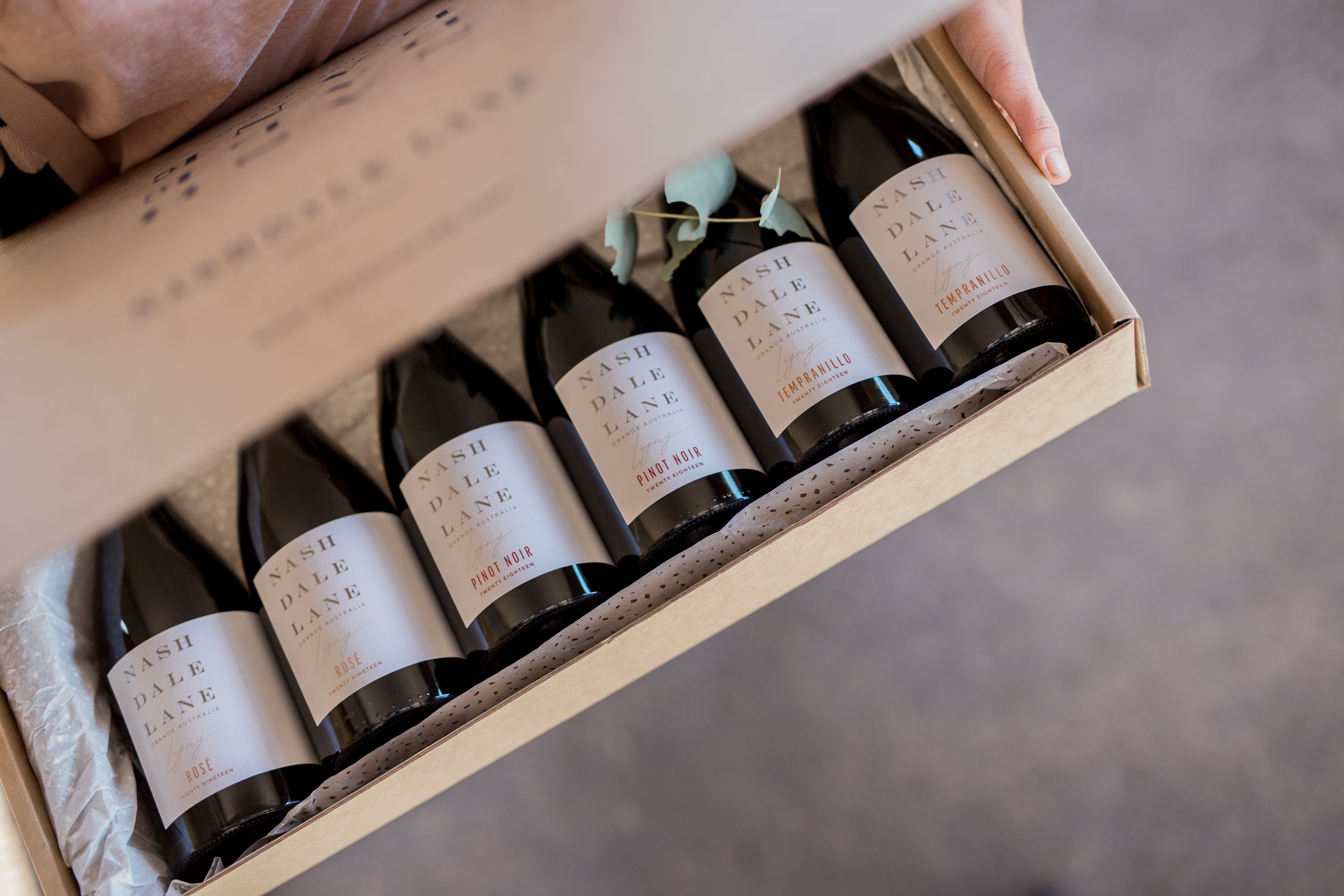
At Nashdale Lane Wines, high-altitude Orange fruit is handled with the patience Pinot Noir demands, allowing bright fruit, fine structure and vineyard character to remain in focus. That is the standard worth looking for wherever you buy: a wine that tastes of careful farming and a particular place, not a formula.
The most satisfying bottle is rarely selected by price alone. Choose a region that suits your preferred style, read the vintage and tasting notes with curiosity, and match the wine to the people and food around it. Then pour it slightly cool, let it breathe, and give it enough attention to show you why Pinot Noir has such a devoted following.
Also in Nashdale Lane Blogs & News

10 Best Anniversary Getaways in NSW for Couples

Wine Delivery Comparison for Better Bottles