

 Best Sellers
 White Wine
 Rosé
Rosé
 Red Wine
 Bundles
 Shop All

How Sustainable Wineries in NSW Earn Your Visit

A bottle can carry a great deal more than vintage, variety and region. For wine drinkers seeking sustainable wineries in NSW, it can also reflect the health of a vineyard’s soil, the way water is managed through a dry season, the habitat left for native wildlife and the long-term decisions made by the people farming the land.
That matters in New South Wales, where vineyards span dramatically different conditions - from high-altitude cool-climate sites around Orange to warmer inland and coastal regions. Sustainability is not a one-size-fits-all checklist. The most meaningful approach is thoughtful, local and ongoing: looking after the vineyard today while protecting its ability to produce expressive fruit for many vintages to come.
Sustainability starts in the vineyard
Wine is agricultural before it is anything else. The quality in a glass begins with a living vineyard, and sustainable winegrowing is largely about working with that living system rather than treating it as a factory floor.
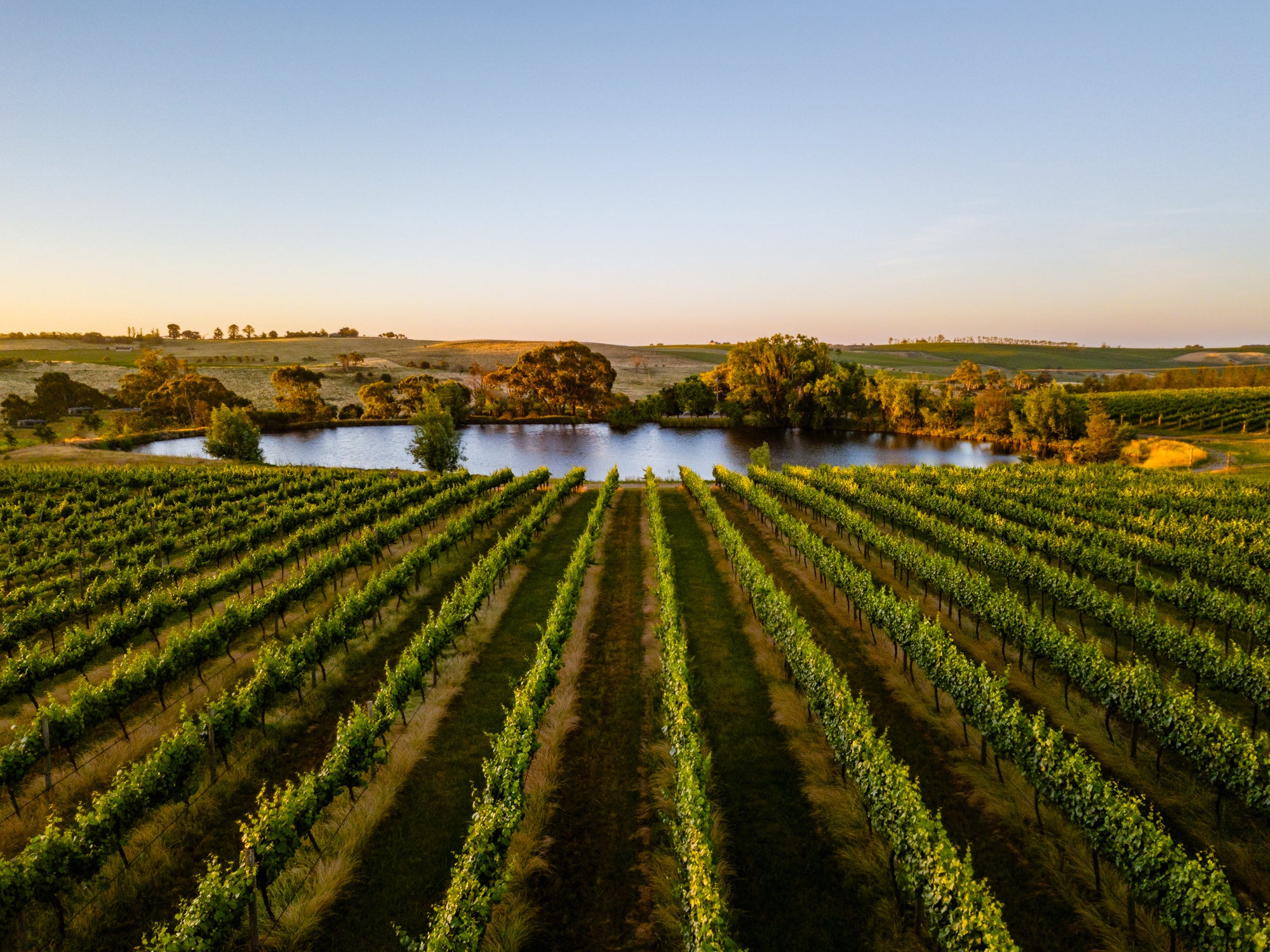
Healthy soils are central. Growers may use cover crops between vine rows, compost, mulches and careful cultivation to build organic matter, reduce erosion and encourage a more active soil ecosystem. In a cool-climate vineyard, these choices can also help regulate moisture and improve vine resilience through variable seasons. At Nashdale Lane Wines, these principles are reflected in their approach to vineyard management, with a focus on maintaining healthy soils and supporting the natural ecosystem of the vineyard. Their practices help improve soil structure, retain moisture and promote healthier, more resilient vines, supporting the quality and sustainability of their cool-climate wines.
Water use deserves closer attention
Water is one of the clearest practical measures of environmental care in Australian wine regions. Sustainable vineyards look for ways to use it carefully, whether through efficient irrigation, soil management that improves water retention, moisture monitoring or selecting vineyard practices suited to local rainfall.
There is no universal benchmark that tells the whole story. A vineyard’s needs depend on its elevation, soil type, vine age, rainfall and seasonal heat. What matters is that water is treated as a precious resource, not an unlimited input.
For visitors and buyers, a useful question is simple: can the winery explain how it manages its vineyard in the conditions where it grows? Clear, specific answers are often more valuable than broad green claims.
What makes a winery genuinely sustainable?
Sustainable wineries in NSW tend to take a whole-of-business view. Vineyard care is essential, but the work can extend to energy use, packaging, waste, tourism and the relationships a winery has with its staff, neighbours and local community.
In the winery, this may involve reducing water and energy consumption, recovering or recycling materials where possible, and making practical choices around cleaning, refrigeration and transport. Glass weight, cartons and closures can also be part of the conversation. Packaging has an environmental footprint, yet it must still protect the wine properly, particularly when a bottle is intended for cellaring or travelling long distances.
That is where the trade-offs become real. A lighter bottle can reduce freight emissions, but premium wine still needs packaging suited to its journey and intended ageing. Local sourcing can be valuable, though quality, reliability and food-safety standards matter too. Sustainability is less about claiming perfection and more about making considered improvements without compromising the wine or the land.
Biodiversity is more than a pretty view
A vineyard that leaves room for trees, native vegetation, insect life and birds can be more resilient and more enjoyable to visit. Biodiversity in Australia supports a healthier landscape, while shelterbelts and natural corridors can help protect soils and provide habitat.
It also shapes the experience of wine country. The pleasure of a tasting is not confined to the cellar door bench. It includes the air, the changing light across the rows, the call of birds in the distance and the sense that the vineyard belongs to a larger landscape.
For a family-run estate, caring for that setting has a personal dimension. It is about leaving the place in good condition for the next season, the next generation and every guest who comes to share it.
How to choose sustainable wine with confidence
The term ‘sustainable’ is increasingly common on wine labels and websites, so it pays to look beyond a single word. Certification can offer helpful assurance, but it is not the only sign of genuine care. Smaller producers may be doing excellent work even when formal accreditation is not practical for their size.
Look for detail rather than slogans. A winery that speaks openly about soil health, water stewardship, biodiversity, responsible inputs or waste reduction is giving you something meaningful to assess. The same goes for wineries that explain their vineyard site, varieties and seasonal conditions with care.
Provenance matters, too. Single-vineyard wines can offer a particularly direct connection between site and glass, because the fruit comes from one defined place. That does not automatically make a wine sustainable, but it often encourages a sharper focus on the vineyard and how it is farmed.
It is also worth remembering that sustainable wine should still be delicious. Environmental intent and craftsmanship are not competing priorities. In fact, careful farming is often the foundation of vivid, balanced wines with a genuine sense of place - bright Riesling with citrus and floral lift, textural Chardonnay, savoury Pinot Noir or generous Shiraz shaped by a cool season.
Why cool-climate vineyards have a distinct role
Orange’s high elevation gives it a distinctive position within NSW wine. Cooler growing conditions can allow grapes to ripen gradually, retaining natural acidity and developing layered flavour. That makes the region well suited to varieties such as Riesling, Chardonnay, Pinot Gris, Pinot Noir and Shiraz, among others.
Cool climate does not remove the need for careful environmental management. Frost, rainfall variation, disease pressure and late-season weather all demand attention. But it does underline why site-specific knowledge matters. The strongest wines are not forced into a style. They are guided by the vineyard, the season and the winemaker’s judgement.
At Nashdale Lane, this connection is reflected in a high-altitude, single-vineyard approach and a commitment to sustainable viticulture. The result is wine made with time, patience and respect for the fruit, while the vineyard remains a place to taste, stay and properly slow down.
Make your next wine-country visit count
Choosing a sustainable winery is not only a purchasing decision. It can be a more rewarding way to experience a region. Book a tasting, ask about the current vintage and take notice of the vineyard around you. A good host should be pleased to talk about what is happening in the vines, not just what is in the bottle.
If you are planning an Orange escape from Sydney, Newcastle or elsewhere in NSW, allow enough time to enjoy the landscape rather than rushing from one tasting to the next. Stay close to the vines if you can, open a bottle with dinner, and notice how the wine changes as it warms in the glass.
The most memorable sustainable wineries do not ask you to choose between refinement and responsibility. They show that a beautifully made wine, a cared-for vineyard and generous regional hospitality can belong together - one thoughtful bottle at a time.
Also in Nashdale Lane Blogs & News

10 Best Anniversary Getaways in NSW for Couples

Wine Delivery Comparison for Better Bottles