

 Best Sellers
 White Wine
 Rosé
Rosé
 Red Wine
 Bundles
 Shop All


What Is Arneis Wine? A Bright Italian White

Arneis is the bottle to reach for when Chardonnay feels too familiar and Sauvignon Blanc feels a little too sharp. So, what is Arneis wine? It is a dry white wine made from the Arneis grape, best known in Italy’s Piedmont region and increasingly at home in Australia’s cool-climate vineyards. Expect fragrance, texture and bright orchard fruit rather than overt sweetness or heavy oak.
For wine drinkers who enjoy discovering a less familiar varietal, Arneis offers something genuinely distinctive. It can be delicate without disappearing beside food, refreshing without being lean, and polished enough for a long lunch or a special bottle shared at home.
What is Arneis wine and where does it come from?
Arneis is a white grape variety with deep roots in Roero, an area of Piedmont in north-western Italy. Its name is often translated as ‘little rascal’, a nod to the grape’s reputation for being tricky in the vineyard. It is naturally low yielding, can be sensitive to growing conditions and needs careful timing at harvest to hold on to its freshness and perfume.
For much of the 20th century, Arneis was in danger of fading from view. It was sometimes planted among red Nebbiolo vines, where it could soften the stern tannins of the finished wine or simply offer growers a white alternative. Dedicated producers revived it, however, and Arneis is now recognised as one of Italy’s most appealing white wines.
Its Australian story is more recent. In the right site, the variety brings a compelling balance of European character and local clarity. Higher, cooler vineyards are especially well suited because slow ripening helps retain natural acidity while developing flavour in a measured way. That balance is central to a refined Arneis: ripe fruit, lifted aromatics and a clean, composed finish.
How does Arneis wine taste?
Arneis is usually dry, though its generous fruit character can make it seem softer and rounder than a very crisp Riesling. The first impression is often aromatic: white flowers, jasmine, pear and fresh apple. On the palate, look for flavours of stone fruit, citrus peel, quince, almond and sometimes a faintly savoury, herbal edge.
Texture is one of its quiet strengths. Arneis often has a gentle waxiness or almond-like creaminess through the middle of the palate, giving it more presence than many light-bodied whites. This does not mean it should be rich or buttery. In a well-made example, that texture is held in check by bright acidity and a subtle bitter note on the finish, much like grapefruit pith or the skin of a green apple.
The exact profile depends on where and how it is made. Italian examples can lean savoury and mineral, with a delicate floral lift. Cool-climate Australian Arneis may show more vivid pear, apple skin and citrus, while still retaining the variety’s characteristic dry, lightly textured shape. Vintage matters, too. A warmer season can bring fuller stone-fruit notes; a cooler one may emphasise grapefruit, florals and tension.
Why cool-climate vineyards suit Arneis
Great white wine is not simply about ripeness. It is about achieving ripeness without losing energy. In a cool-climate setting such as Orange, elevation and cool nights can slow the grape’s development, allowing flavour to build gradually while acidity remains fresh.
That is particularly useful for Arneis. Pick too early, and the wine may feel overly neutral or sharp. Pick too late, and its delicate perfume can give way to broadness. Careful vineyard work and precise harvest decisions are what preserve the grape’s pear and floral character while building the texture that makes it so satisfying at the table.
Winemaking choices shape the final style as well. Many producers use stainless steel to protect freshness and purity of fruit. Others may employ a small portion of older oak or time on lees, the spent yeast cells left after fermentation, to add depth and a subtle savoury dimension. New oak is generally used with restraint, if at all. Arneis is not a variety that needs to be covered up. Its appeal lies in its detail.
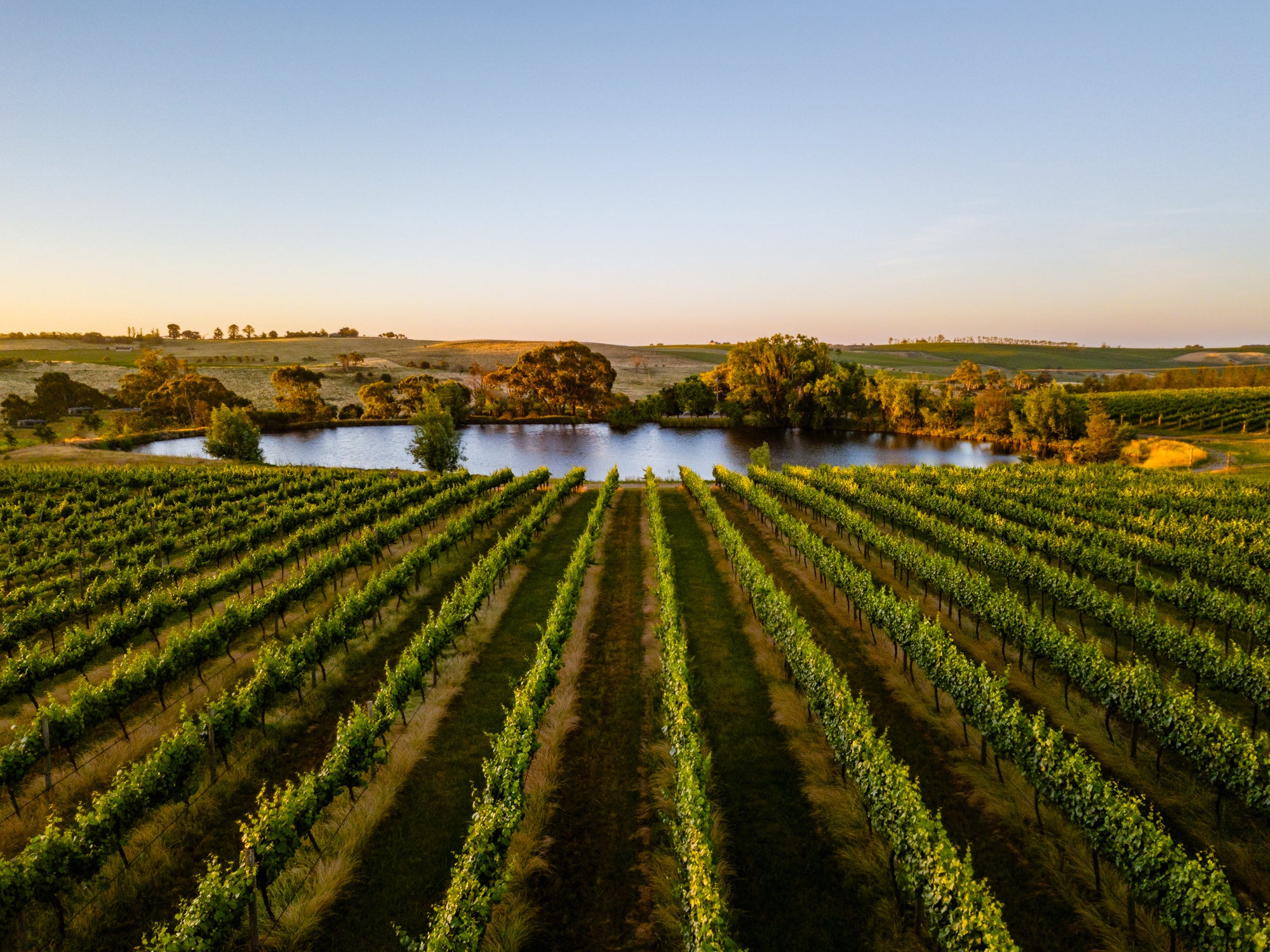
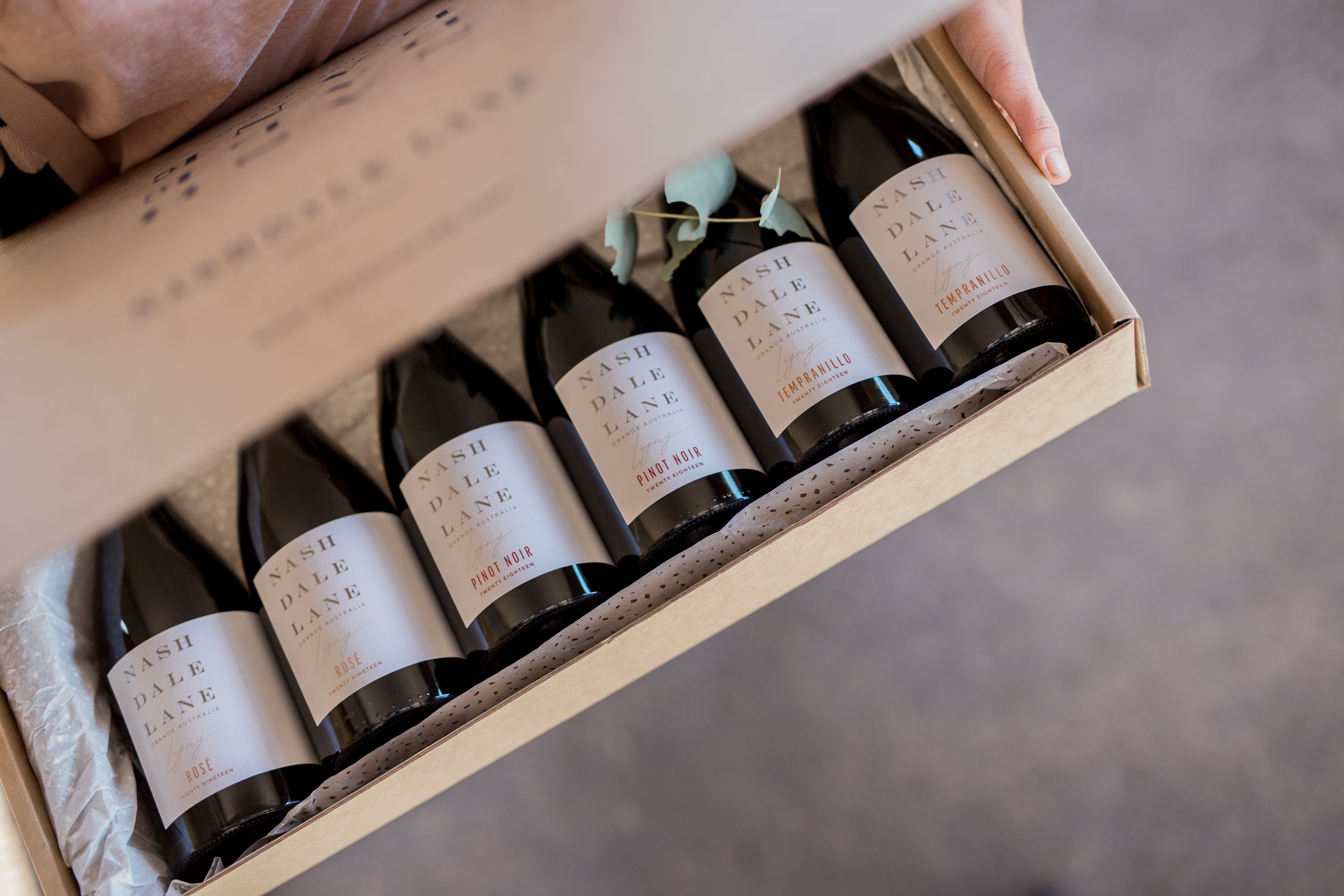
At Nashdale Lane, the cool-climate setting and single-vineyard focus offer an ideal lens for this expressive Italian variety. The goal is not to imitate Piedmont, but to let Arneis speak clearly of its Orange vineyard home.
Is Arneis similar to Pinot Gris, Riesling or Chardonnay?
Arneis can sit comfortably alongside all three, but it is not quite like any of them. Compared with Pinot Gris, Arneis is often more floral and citrus-driven, with a firmer, drier finish. Pinot Gris can be similarly textured, particularly in richer styles, but it more commonly moves towards nashi pear, spice and a softer breadth.
Against Riesling, Arneis is less piercingly acidic and less likely to show lime, slate or intense floral perfume. Riesling generally has a more linear shape and can range from bone dry to sweet. Arneis is most often dry, with a rounder mouthfeel and a faint almond note that gives it a savoury edge.
Chardonnay is perhaps the comparison that causes the most confusion, simply because both wines can have texture. Yet Arneis is typically lighter in body, more perfumed and far less oak-led. If you enjoy Chardonnay’s presence but prefer brighter fruit, less butter and a cleaner finish, Arneis is well worth pouring.
What food goes with Arneis wine?
Arneis is exceptionally useful at the table because it has both freshness and enough texture to handle more than the usual light seafood pairing. Its acidity cuts through richness, while its delicate fruit and floral notes avoid overwhelming nuanced dishes.
Try it with grilled prawns, calamari, Sydney rock oysters or barramundi with lemon and herbs. It is also a natural partner for creamy risotto, especially one with spring vegetables, asparagus or lemon. Roast chicken, pork loin with fennel, and mild goat’s cheese all work beautifully.
For something a little more adventurous, Arneis can be excellent with spice when the heat is moderate rather than fiery. Think Vietnamese rice-paper rolls, Thai-style fish cakes or a gently spiced coconut chicken curry. The wine’s fruit can soften chilli, while its dry finish keeps the pairing from becoming cloying.
The main trade-off is intensity. Big chargrilled steaks, heavily smoked dishes and very hot curries will usually overpower Arneis. Choose food with freshness, herbs, nuts, citrus, creaminess or subtle spice, and the wine will show its best side.
Serving and storing Arneis
Serve Arneis chilled, but not icy. Around 9-11°C is a useful guide. Too cold and its perfume and texture retreat; too warm and the alcohol may seem more obvious than the fruit. If the bottle has spent a little too long in the fridge, give it five minutes on the table before pouring.
Most Arneis is made to enjoy while youthful, when its pear, apple and floral notes are at their most vivid. A quality example with good acidity and careful lees work can develop for several years, gaining honeyed, nutty complexity. Still, it is rarely bought for decades of cellaring. This is a wine whose charm is often in its immediacy.
If you are opening a bottle for two, keep it sealed and refrigerated after pouring. It should remain enjoyable the next day, often becoming slightly more textural as it opens. By the second day, use it as an excuse for a simple seafood supper rather than leaving it forgotten at the back of the fridge.
Arneis rewards curiosity. Pour it alongside a favourite familiar white at your next dinner and notice the difference: the perfume of pear and flowers, the gentle almond grip, and the way a bright, dry finish invites another bite.
Also in Nashdale Lane Blogs & News

Best Wines for Corporate Gifts That Feel Considered

10 Best Anniversary Getaways in NSW for Couples