

 Best Sellers
 White Wine
 Rosé
Rosé
 Red Wine
 Bundles
 Shop All
Wine Tourism in Orange for a Memorable Escape

Wine tourism is at its best when it feels less like a checklist and more like time well spent. A generous tasting, a walk through the vines, a long lunch, a bottle chosen for later and a quiet evening in the country can reveal far more about a wine region than trying to visit every cellar door before sunset.
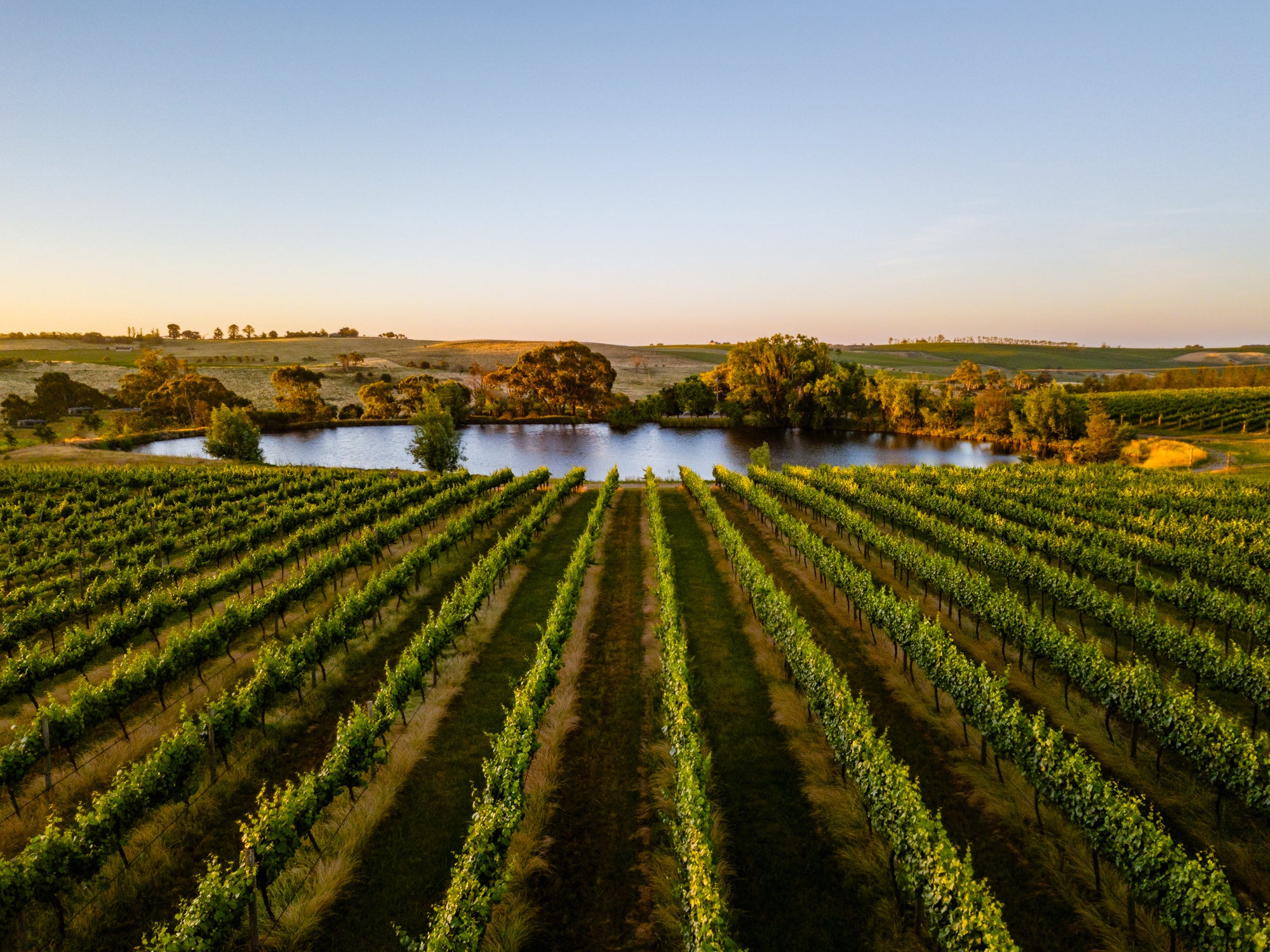
For Sydneysiders and visitors from across New South Wales, Orange offers that rare combination of serious cool-climate wine, striking countryside and enough space to properly slow down. Its high elevation shapes the wines in the glass, bringing freshness, fragrance and poise to varieties that reward a closer look. The key is planning a visit with room for both discovery and downtime.
Why Orange suits wine tourism so well
Orange is not a one-note wine destination. Vineyards sit at elevations that can exceed 1,000 metres, where cooler days and nights support a long, measured ripening season. That extended hang time helps grapes develop flavour while holding onto natural acidity - the lift that makes a Riesling bright, a Chardonnay finely structured and a Pinot Noir vibrant rather than heavy.
For visitors, this translates into tastings with genuine contrast. One stop may introduce pear, apple skin and jasmine notes in an elegant white; another may show the savoury edge, red berries and fine tannin of a lighter-bodied red. A well-made Tempranillo or Shiraz can bring a deeper, darker register, but still retain the freshness expected of a cool-climate region.
It is also a region that changes clearly with the seasons. Autumn brings colour to the vines and fireside appeal to fuller reds. Winter is crisp, quiet and well suited to cosy accommodation, long lunches and museum-release bottles. Spring feels fresh and green, while summer rewards an early start, chilled whites and an unhurried afternoon under an open sky. There is no single perfect time to visit - it depends on whether you are after vineyard colour, cooler weather, a lively weekend or a more private escape.
Plan your wine tourism weekend with purpose
The temptation is to pack every hour with tastings. It is understandable, particularly when a region has so much to offer, but a rushed schedule can blur the very differences that make wine interesting. Two thoughtfully chosen tastings in a day, paired with a proper meal and time to take in the landscape, will usually be more rewarding than four hurried stops.
Start with the wines you genuinely enjoy
Before booking, consider what you want to drink, not simply where you want to be seen. Lovers of aromatic, zesty wines may want to seek out Riesling, Pinot Gris, Arneis or Sauvignon Blanc Fumé. Chardonnay drinkers can compare styles shaped by fruit, texture and oak, from bright and restrained to more layered and creamy.
For red wine fans, Pinot Noir is a natural starting point in Orange, particularly for those who enjoy bright red fruit, spice and silky tannins. Tempranillo can bring a more savoury, food-friendly character, while cool-climate Shiraz often delivers dark fruit and peppery depth without becoming overly rich.
Ask questions during a tasting. Which blocks supplied the fruit? How was the season? Was the wine fermented in tank, older oak or new French barrels? Is it designed for drinking now, or will a few years in the cellar bring greater complexity? These details are not about showing off wine knowledge. They help connect what you taste to the choices behind the bottle.
Give each tasting enough time
A good cellar-door experience should feel conversational. Let the host guide you through the range, but do not feel obliged to taste every wine if you know a particular style is not for you. It is perfectly reasonable to focus on whites and Pinot Noir, or to taste a producer’s flagship wines alongside their everyday range.
Take a moment between pours. Notice the aroma first, then the shape of the wine on the palate: is it crisp, creamy, savoury, plush or dry? Acidity is often mistaken for sweetness, particularly in aromatic whites, so ask if you are unsure. A wine can smell of ripe fruit and still finish bone dry.
If you find a wine you love, buy it while the experience is fresh. The best cellar-door purchase is not necessarily the most expensive bottle. It is the wine that will bring back the place, the season and the conversation when you open it at home.
Match the pace to the occasion
Wine-country weekends are rarely improved by an overfilled itinerary. Couples looking for a restorative break may prefer one afternoon tasting followed by a vineyard stay, while a group of friends might enjoy a late-morning appointment, lunch and a second tasting nearby. If you are travelling for a special occasion, build in a little breathing room rather than treating the day like a timetable.
Transport matters, too. Appointing a designated driver, arranging a local service or staying close to the vineyard makes the day safer and more relaxed. It also means you can give each wine the attention it deserves. Spitting is standard practice at a tasting and remains the sensible option if you are driving, even when the wine is especially tempting.
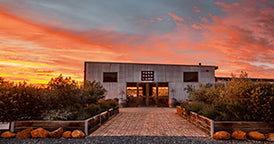
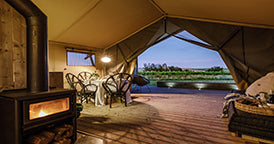
A vineyard stay changes the rhythm again. Waking among the vines gives a visit a sense of place that is difficult to recreate on a day trip. There is time for morning light over the rows, a slow breakfast, perhaps a walk before tasting, and the pleasure of opening a bottle without calculating the drive back to town. At Nashdale Lane Wines, luxury glamping cabins make this kind of escape particularly easy for couples who want country quiet without giving up comfort.
Let food sharpen the experience
Wine is more expressive with food, and Orange’s regional produce makes this one of the pleasures of visiting. Think of fresh goat’s cheese with a dry Riesling, roast chicken with Chardonnay, charcuterie with Pinot Gris or a mushroom dish alongside Pinot Noir. A savoury Tempranillo has the structure for slow-cooked meats and richer vegetables, while Shiraz comes into its own with a hearty meal on a cold evening.
The point is not to chase rigid pairing rules. Texture and balance matter more. A bright wine can cut through creamy food; a wine with fine tannin can handle protein and savoury flavours; a lightly chilled red may be ideal for a warm afternoon. If a winery offers a food pairing, it can be an excellent way to understand why a particular wine has been made in a particular style.
Leave room for a bottle at home
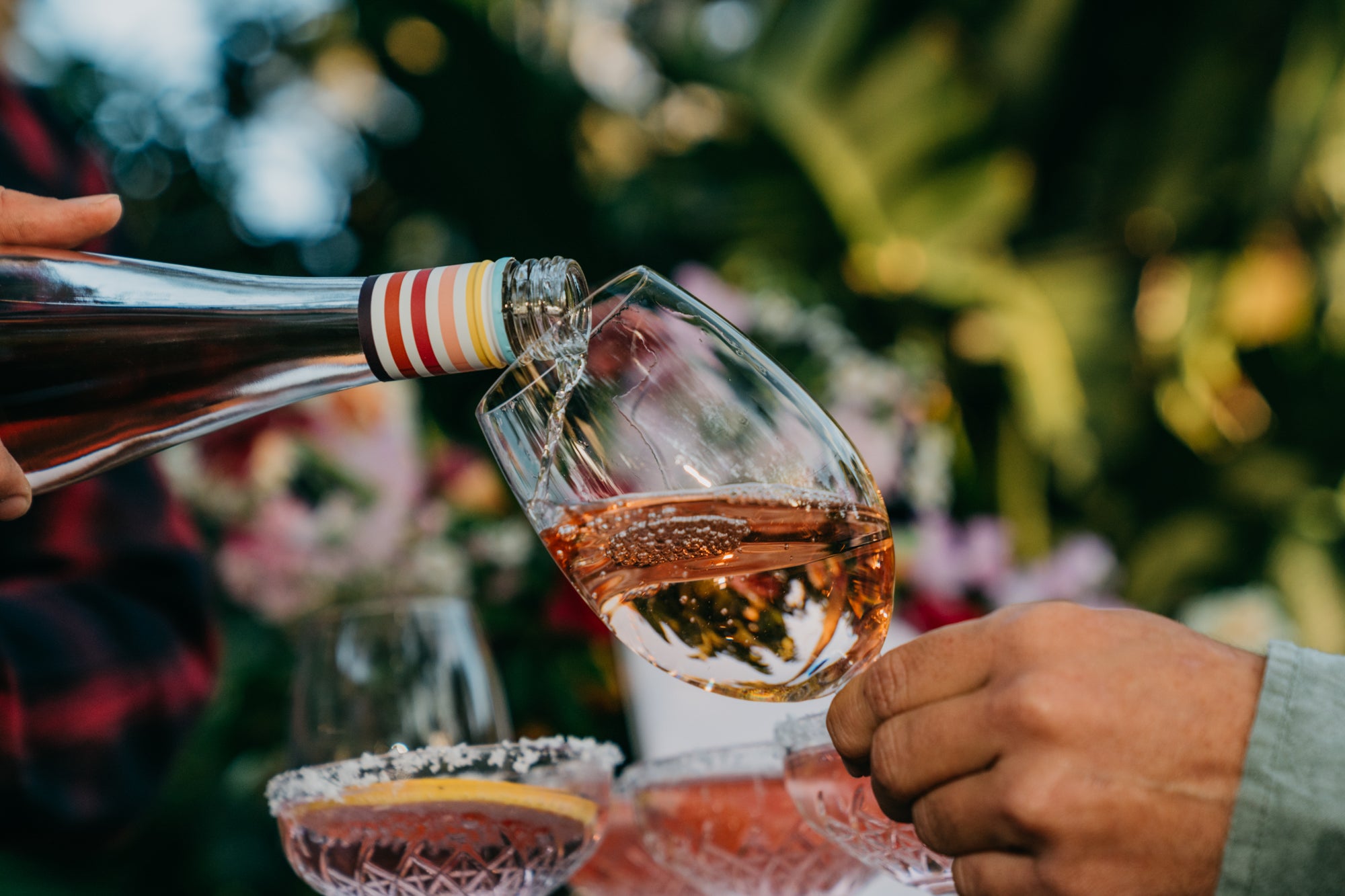
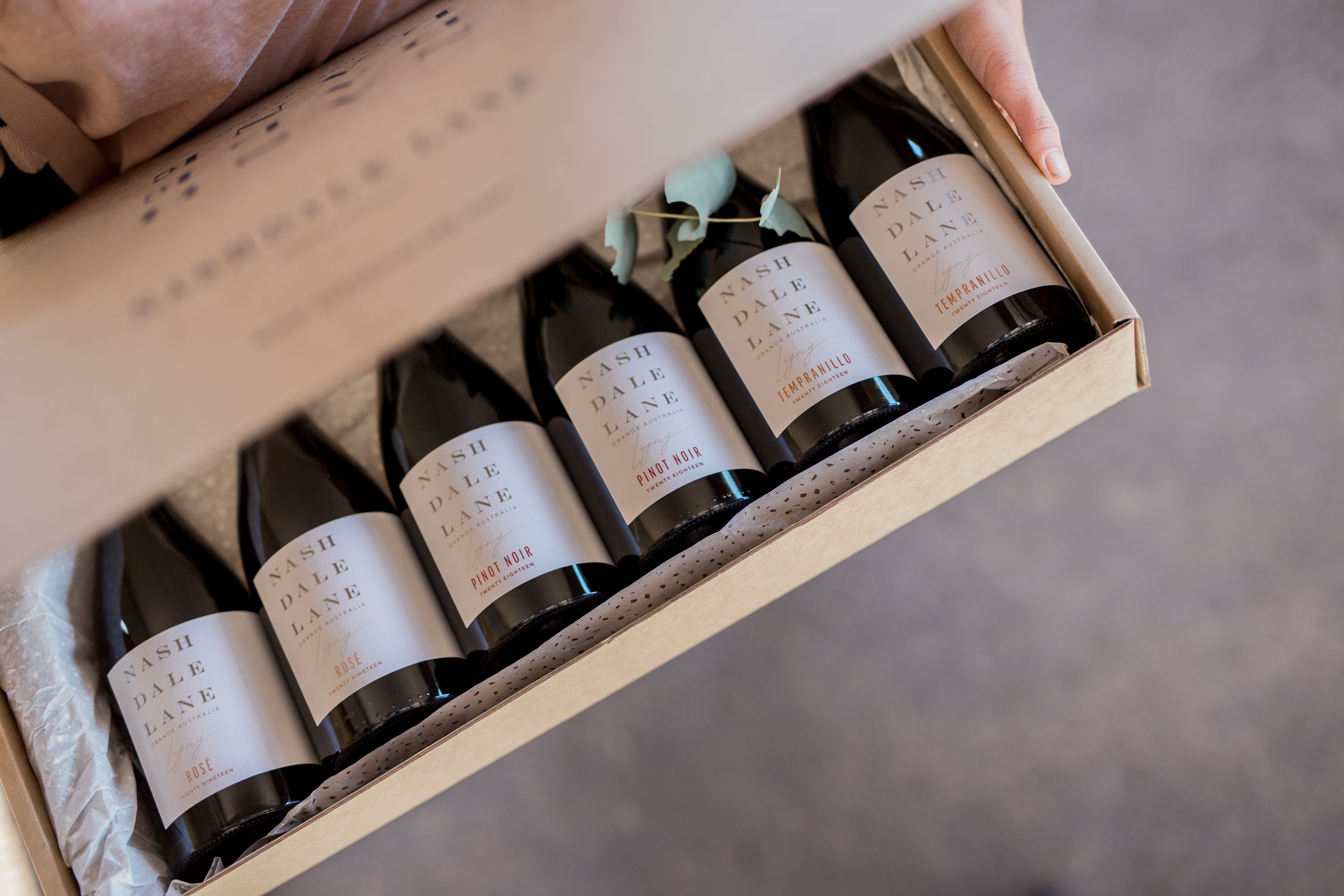
A visit should continue after the weekend ends. Choose a few bottles for different occasions: an easy, expressive white for friends dropping by; a rosé for a warm afternoon; a red for dinner; and perhaps a more limited, cellar-worthy wine for a future celebration.
This is where single-vineyard and small-production wines hold special appeal. They can capture a specific site and season in a way that feels personal, especially when you have stood in the vineyard yourself. Premium wines are not always about saving them indefinitely. Sometimes their value is in opening them at the right table, with the right people, while the story is still close.
A better way to remember a region
The most memorable wine tourism experiences have a little structure, but not too much. Book ahead, especially for weekends and accommodation. Taste with curiosity. Eat well. Buy what you will enjoy drinking, rather than what you think you should collect. Most of all, leave enough room for the unexpected: a conversation with a winemaker, a favourite you did not anticipate, or an extra hour watching the light move across the vines.
Orange rewards that slower approach. Come for the cool-climate wines, certainly, but allow the region to set the pace. The bottle you take home will taste all the better for it.
Also in Nashdale Lane Blogs & News

10 Best Anniversary Getaways in NSW for Couples

Wine Delivery Comparison for Better Bottles