

 Best Sellers
 White Wine
 Rosé
Rosé
 Red Wine
 Bundles
 Shop All


Wine and Food Pairing Examples for Every Table

A bottle can turn a simple roast chook, a bowl of pasta or a plate of local cheese into a proper occasion. The best wine and food pairing examples are not about following strict rules. They are about noticing how a wine’s acidity, texture, fruit and savoury detail meet what is on the plate.
At the table, the most useful question is not, ‘What is the correct wine?’ It is, ‘What does this dish need from a wine?’ A rich, creamy dish may need freshness. A lean, delicately flavoured fish needs a wine that will not overpower it. A charred steak can take structure, while spicy food often benefits from bright fruit and a little less tannin.
Start with the weight of the dish
Match the weight of the wine to the weight of the food, then adjust for sauce, seasoning and cooking method. This is the dependable starting point for everyday dinners and more ambitious menus alike.
A lightly dressed kingfish crudo, for example, calls for a wine with energy rather than oak or heavy tannin. A fuller dish such as mushroom risotto can handle more texture and a little savoury complexity. The protein matters, but the sauce often matters more: chicken with lemon and herbs drinks very differently from chicken in a creamy tarragon sauce.
Acidity is the quiet workhorse of food pairing. Wines with lively natural acidity make rich food feel lighter, sharpen salty flavours and sit beautifully beside dishes finished with citrus, tomato or vinegar. Tannin, the drying grip most evident in red wines, needs care. It can feel firm beside delicate seafood, yet soften wonderfully with fatty meat, hard cheese and food cooked over flame.
Wine and food pairing examples worth keeping close
Riesling with fresh seafood and spicy dishes
A dry, cool-climate Riesling is one of the most versatile bottles for the Australian table. Its lemon, lime and green apple notes work beautifully with Sydney rock oysters, prawns with finger lime, sashimi and grilled flathead with a squeeze of lemon.
Riesling also earns its place beside heat. Try it with Thai green curry, chilli crab or Vietnamese-style pork lettuce cups. The wine’s acidity refreshes the palate, while its bright fruit calms the perception of chilli. If the dish is very hot, avoid a highly alcoholic wine, as alcohol can make the spice seem fiercer.
Pinot Gris with salty, textural plates
Pinot Gris is an easy choice when a meal lands between light and rich. Pear, apple skin and gentle spice make it especially good with prosciutto, burrata, roast chicken or a spring vegetable tart. Its soft texture has enough presence for food, without crowding more subtle flavours.
For a relaxed long lunch, serve Pinot Gris with a platter of smoked trout, soft cheeses, almonds and ripe stone fruit. Salt and smoke bring out the wine’s fruit, while its freshness keeps the plate from becoming too rich.
Arneis with white meats and garden produce
Arneis is a lovely answer when Sauvignon Blanc feels too sharp and Chardonnay feels too broad. With delicate floral perfume, citrus and orchard-fruit character, it suits grilled chicken, pork cutlets with sage, zucchini flowers and pasta with peas, lemon and parmesan.
It is particularly rewarding alongside dishes with herbs and vegetables. A simple plate of barbecued asparagus, whipped ricotta and mint can make an elegant starter, provided the asparagus is not heavily charred. Very smoky flavours can make lighter whites taste less expressive, so keep the grill marks modest.
Sauvignon Blanc Fumé with smoky flavours
Sauvignon Blanc Fumé brings the familiar lift of citrus and herbs, along with a more rounded, gently smoky edge from barrel influence. That makes it a natural match for grilled prawns, charred corn, goat’s cheese tart or a warm salad of chicken, cos lettuce and herbs.
The key is balance. A very pungent blue cheese or aggressively sweet glaze can overwhelm its finer details. Keep the dish fresh, savoury and lightly smoky, and the wine will show its layered side.
Chardonnay with creamy, buttery and roast dishes
Chardonnay has the frame for richer food, especially when it combines citrus-driven acidity with carefully judged oak. Pour it with roast chicken, pan-fried snapper with beurre blanc, pumpkin ravioli or lobster pasta. The wine’s texture mirrors the silkiness of the dish, while its freshness prevents the pairing from feeling heavy.
A useful rule for Chardonnay is to look beyond the main ingredient. Fish with a squeeze of lemon may suit Riesling, but fish with brown butter, cauliflower purée or a creamy sauce often wants Chardonnay. The same fillet can call for entirely different wines depending on how it reaches the plate.
Rosé with antipasto, salmon and sunny lunches
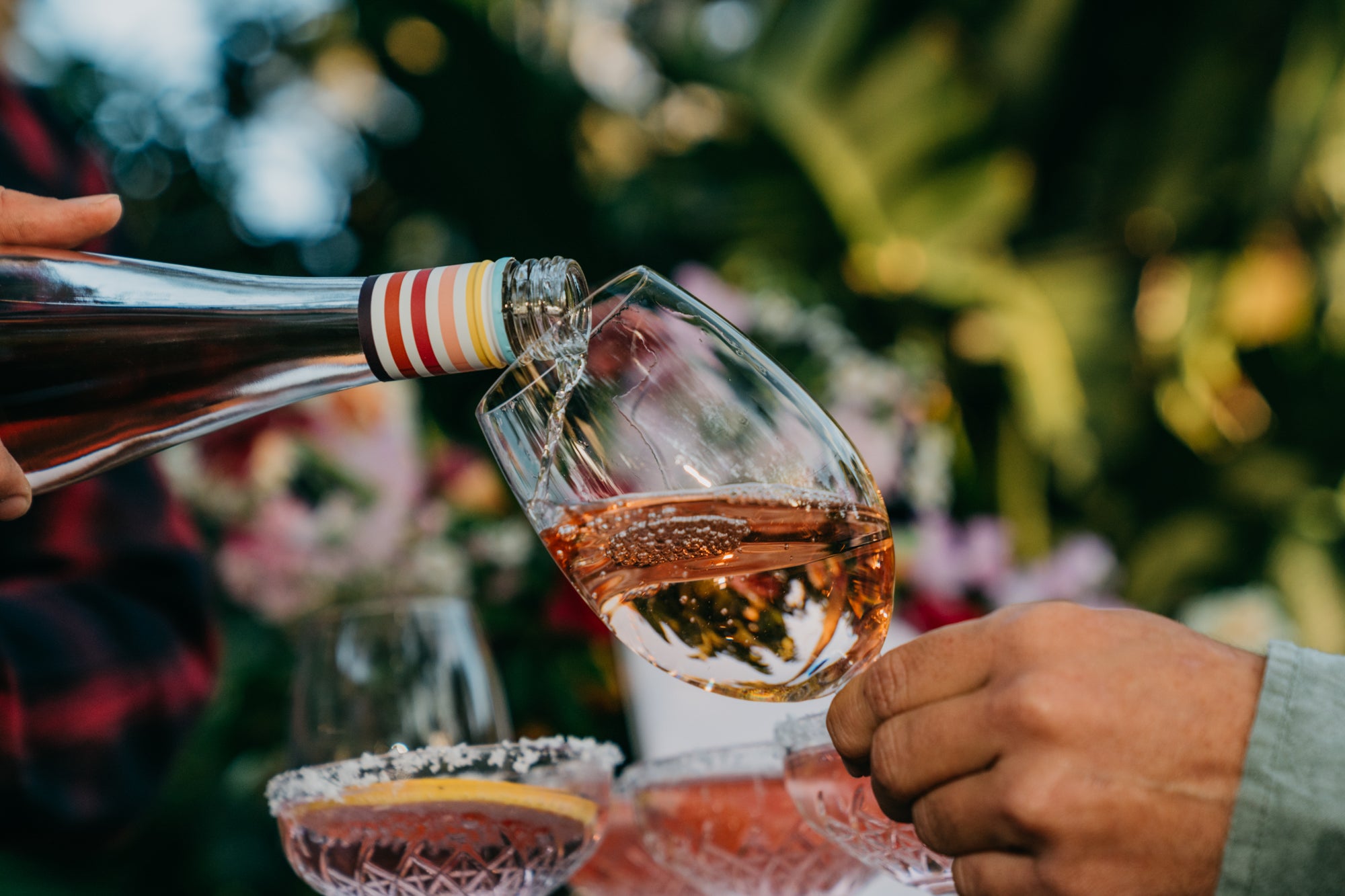
Dry rosé belongs far beyond the first warm afternoon of the season. Its red-berry fruit, savoury edge and refreshing finish make it a brilliant table wine for cured meats, grilled vegetables, salmon, tuna niçoise and woodfired pizza.
It also handles the awkward middle ground of a shared table, where there may be olives, prawns, salads and charcuterie all at once. When guests are eating a little of everything, rosé is often a smarter choice than trying to find one white and one red for every plate.
Pinot Noir with duck, mushrooms and lighter meats
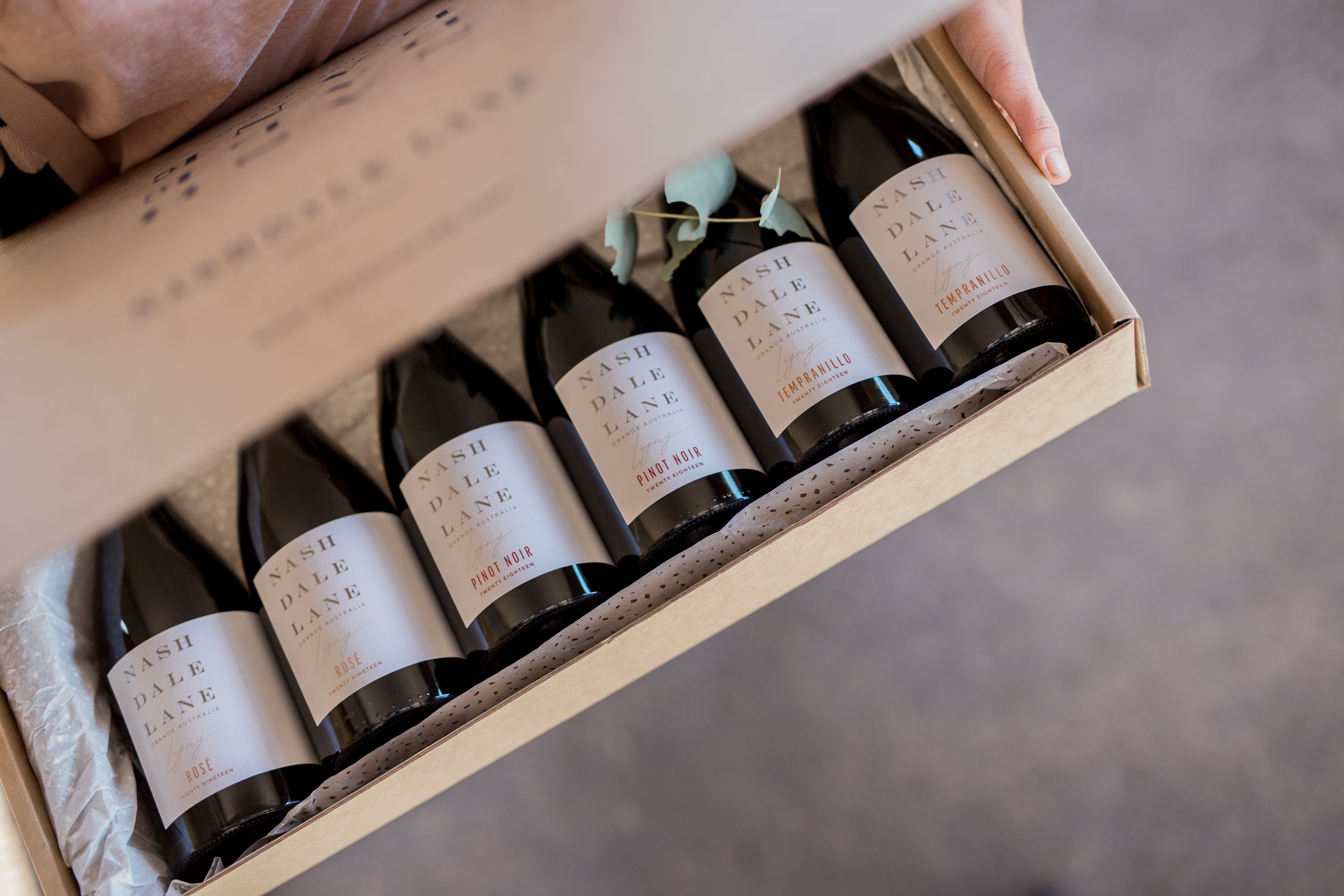
Pinot Noir’s charm lies in fragrance, bright red fruit and fine tannin. It is a natural partner for duck breast, pork belly, mushroom pasta, roast quail and salmon cooked over coals. Earthy ingredients such as lentils, beetroot and truffle also draw out Pinot’s savoury side.
Avoid serving it too warm. Around 14 to 16°C is usually more flattering than a warm dining room temperature, particularly in summer. A slight chill keeps the fruit precise and the tannins silky.
Tempranillo with tapas and smoky barbecue
Tempranillo brings dark cherry fruit, spice and savoury structure to food with smoke, paprika and cured-meat character. Think lamb cutlets with romesco, chorizo, grilled eggplant, patatas bravas or slow-cooked pork shoulder.
Its moderate tannin makes it more flexible than some bigger reds, but it still appreciates fat and char. This is the bottle to open when the barbecue is working hard and the table is full of bold, sharing-style dishes.
Shiraz with slow-cooked beef and flame-grilled lamb
Shiraz deserves food with depth. Braised beef cheeks, lamb shoulder, pepper-crusted steak and sausage cooked over charcoal all have the richness to meet its dark fruit, spice and firmer structure. A cool-climate Shiraz can retain freshness, which is valuable when a dish is slow-cooked or generously seasoned.
Be mindful of sweetness in barbecue sauces. A very sugary sauce can make a dry red taste more bitter and austere. Lean towards savoury marinades, pepper, rosemary, garlic and smoke, or choose a sauce with enough acidity to keep the dish in balance.
Let the sauce lead the pairing
If there is one shortcut worth remembering, it is this: pair to the dominant flavour, not simply the protein. Beef carpaccio with capers and lemon may be better with a textured white or rosé than a full red. Pork with apple and crackling can suit Pinot Gris, while pork braised with paprika and tomato moves naturally towards Tempranillo.
Salt makes many wines taste more generous, which is why oysters and Riesling, parmesan and Chardonnay, or prosciutto and rosé work so well. Acidic dishes need wines with enough freshness to keep pace. A tomato-rich pasta sauce can flatten a low-acid red, but it will come alive beside a bright Pinot Noir or savoury Tempranillo.
Dessert is another place where balance matters. The wine should generally be at least as sweet as the dish. With a citrus tart, choose a late-harvest or sweeter wine rather than a dry table white, which may taste sharp by comparison. When in doubt, finish the meal with coffee or a small pour of something intentionally sweet.
Serve the wine well, then trust your palate
Temperature, glassware and timing can change a pairing more than people expect. Whites and rosé should be cool but not icy, so their aroma and texture can show. Reds benefit from a little air, especially when young, but do not need to be left open all afternoon. Pour a small taste before dinner begins, then taste it again once the food is on the table.
At Nashdale Lane Wines, the pleasure of a single-vineyard wine is seeing how its character changes alongside a meal. A tasting at home can be as simple as opening two bottles with a few carefully chosen dishes and comparing what each wine brings forward.
The most memorable pairings are often found by paying attention rather than chasing perfection. Start with a wine you enjoy, cook food with good ingredients and enough balance, then leave room for the small surprise when the right bite makes the next sip taste even better.
Also in Nashdale Lane Blogs & News

10 Best Anniversary Getaways in NSW for Couples

Wine Delivery Comparison for Better Bottles