

 Best Sellers
 White Wine
 Rosé
Rosé
 Red Wine
 Bundles
 Shop All



Australian Chardonnay Review for Cool-Climate Fans

A great Australian Chardonnay review should begin with a simple question: do you want sunshine and generosity in the glass, or tension, freshness and fine-boned structure? Australia does both exceptionally well. For drinkers drawn to Chardonnay with citrus drive, measured oak and a long, savoury finish, the country’s higher and cooler sites deserve close attention.
Chardonnay has travelled a long way from the heavily oaked styles many Australians remember. Contemporary examples can be wonderfully layered without being weighty, combining fruit purity with careful texture from the winery. The best bottles are not defined by how much oak you can taste. They are defined by balance - fruit, acidity, lees work and barrel influence each having a clear role.
Australian Chardonnay review: what makes a bottle stand out?
The most compelling Australian Chardonnay carries a sense of place. That might mean grapefruit and white peach from a cool, elevated vineyard, or riper stone fruit and citrus curd from a warmer coastal pocket. In every case, the wine should feel composed rather than merely powerful.
Look first for freshness. Chardonnay is a naturally versatile grape, but without enough acidity it can feel broad and indistinct. Bright lemon, grapefruit, apple skin and pear notes bring lift, while restrained winemaking gives the fruit room to speak. A subtle flinty or struck-match edge can add complexity, though it should support the wine rather than overpower it.
Texture matters just as much. Many premium Chardonnays spend time on lees, the spent yeast cells left after fermentation. This can bring a gentle creaminess, a savoury cashew note or a soft, layered palate. It is not the same as sweetness. A dry Chardonnay can feel generous and rounded while finishing clean and poised.
Oak remains an important part of the story, but the approach has changed. Quality French oak, often in a mix of new and seasoned barrels, can contribute spice, hazelnut and subtle toast. The aim is integration. If vanilla and char are the loudest notes in the glass, the vineyard has been pushed into the background. When oak is handled with care, it gives Chardonnay shape and length without taking over.
Why cool-climate Chardonnay has such appeal
Cool-climate regions give Chardonnay a natural advantage: a longer ripening period. Grapes can develop flavour gradually while retaining acidity, which is essential for precision and cellaring potential. The result is often a wine with citrus and orchard-fruit detail, a fine line through the palate and an energetic finish.
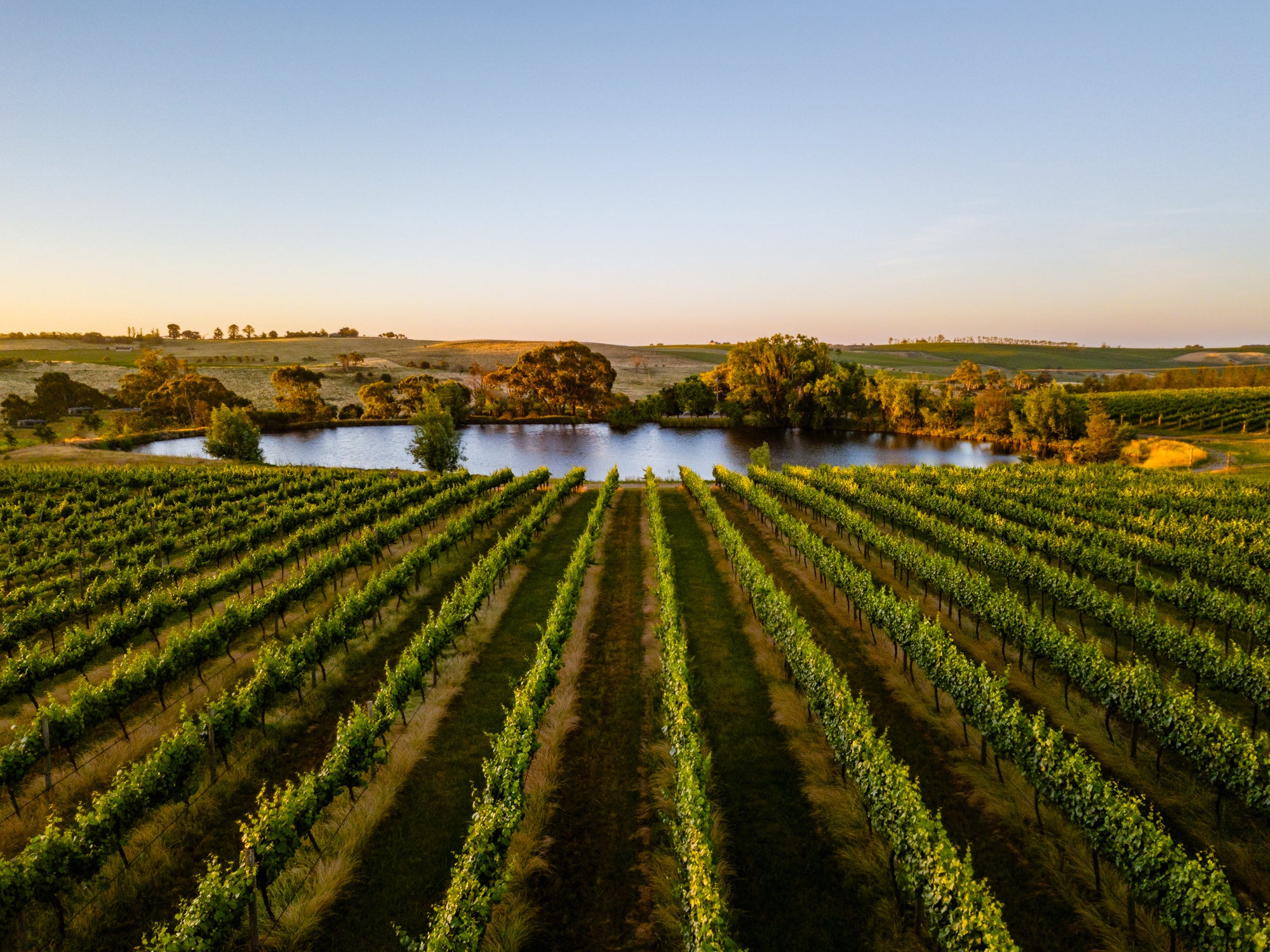
Orange, in New South Wales, is especially compelling for this style. Its high altitude vineyards experience warm days and markedly cooler evenings through the growing season. That diurnal shift helps preserve freshness while allowing fruit to reach full flavour ripeness. In the glass, Orange Chardonnay often offers white peach, grapefruit, lemon pith and apple skin, with a mineral edge that keeps richer elements in check.
This does not mean every cool-climate Chardonnay tastes lean. The finest examples have generosity as well as restraint. Think ripe nectarine beneath citrus zest, creamy texture tempered by acidity, and gentle oak sitting alongside rather than on top of the fruit. It is a style that works beautifully at the table because it has enough flavour to match food, but enough freshness to keep you reaching for another sip.
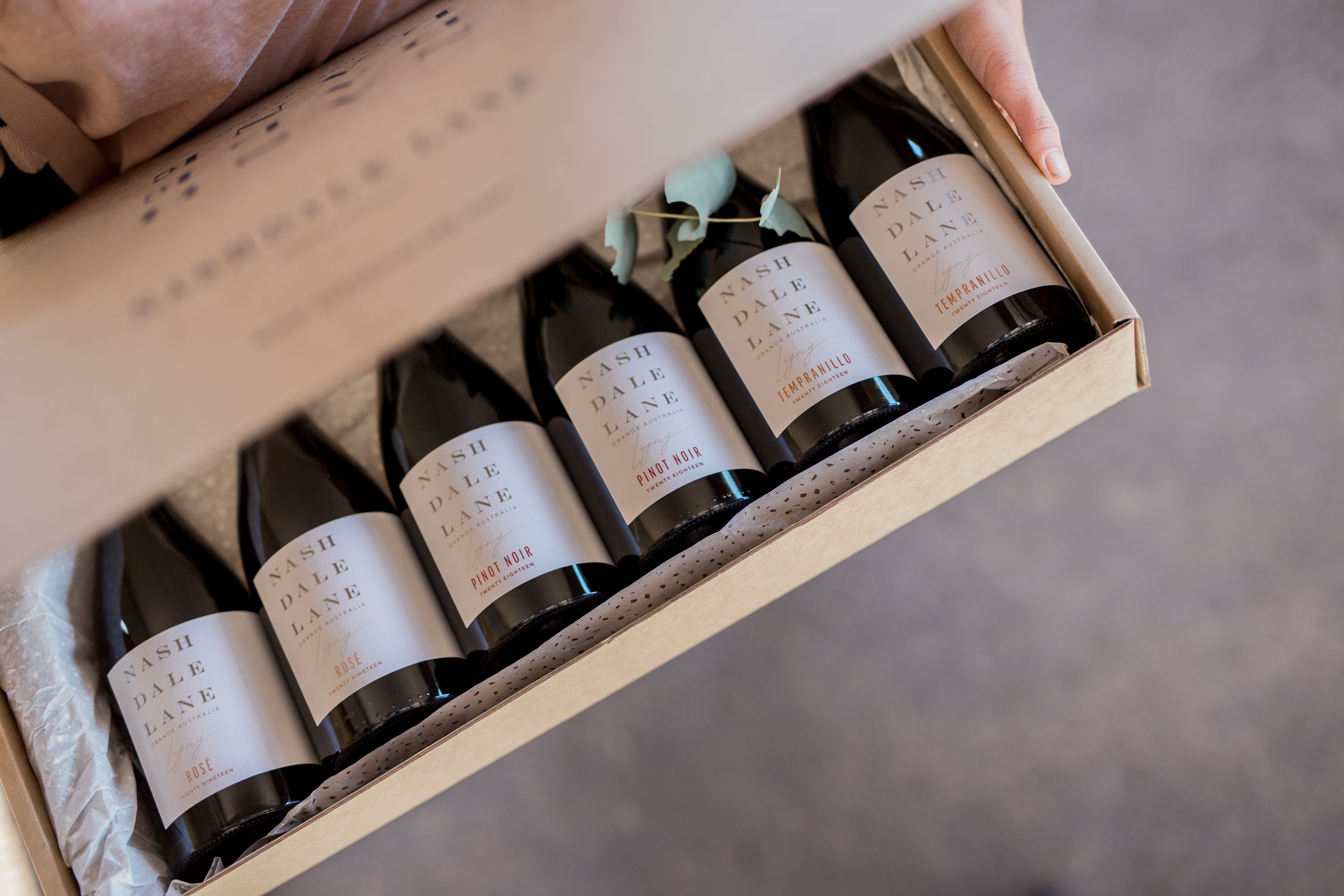
At Nashdale Lane Wines, this cool-climate setting informs a Chardonnay made with a clear focus on vineyard expression, detail and balance. It is the kind of wine that rewards attention, whether opened for a long lunch in the country or shared over dinner at home.
A word on regional differences
Australia is not one Chardonnay style. Margaret River often brings ripe peach, grapefruit, subtle savoury complexity and a polished, maritime feel. The Adelaide Hills can be bright and lifted, with citrus, white flowers and fine acidity. Mornington Peninsula Chardonnays frequently show supple fruit, savoury detail and a gentle saline edge, while Tasmania can offer taut citrus, acidity and considerable finesse.
Orange sits comfortably among these respected Chardonnay regions, yet its altitude gives it a character of its own. Expect energy and aromatic clarity rather than sheer volume. For those who enjoy white wines with line, definition and a little patience built in, that is a very appealing proposition.
How to choose the right Australian Chardonnay
Start with the occasion, not simply the price tag. For an easy midweek pour, choose a youthful Chardonnay with bright fruit, modest oak and immediate charm. These wines are at their best chilled and enjoyed with uncomplicated food - roast chicken, grilled fish, a bowl of pasta with lemon and herbs, or a creamy vegetable tart.
For entertaining or gifting, look for a wine with more detail on the palate. Single-vineyard fruit, careful barrel maturation and time on lees can signal a more layered style, though the tasting notes remain the better guide. Words such as grapefruit, white peach, cashew, nougat, flint, citrus pith and fine acidity generally point towards a dry, sophisticated Chardonnay rather than a sweet or overly buttery one.
For the cellar, structure is crucial. A Chardonnay with concentrated fruit, vibrant acidity and balanced oak can evolve beautifully over five to 10 years, sometimes longer in exceptional vintages. With time, youthful citrus and stone fruit can move towards preserved lemon, toasted hazelnut, honeycomb and savoury complexity. Not every bottle needs cellaring, however. If the wine is fragrant, fresh and immediately harmonious, there is real pleasure in opening it now.
Vintage also matters. A warmer season may produce broader fruit and earlier-drinking appeal. A cooler season can bring more acidity, tension and slower development. Neither is automatically better. It depends on whether you prefer generous, open-knit Chardonnay or a firmer, more mineral style that benefits from a little time in the bottle.
Serving Chardonnay with confidence
Serve Australian Chardonnay cool, not ice-cold. Around 10 to 12°C is a useful guide for a young, fresh style, while a more complex barrel-aged wine can be allowed to warm slightly in the glass. Excessive chilling mutes aroma and texture, making even a beautifully made Chardonnay seem simpler than it is.
A medium-sized white wine glass is ideal. It gives the wine enough room to open, particularly if it has spent time in oak or been held in bottle. If you have just pulled it from the fridge, pour a small glass and give it five minutes. The shift can be striking: citrus becomes more expressive, oak settles into the background and the palate feels more complete.
Food pairing is where Chardonnay earns its place as one of Australia’s most dependable whites. It has the acidity for seafood, the texture for roast poultry, and the quiet complexity for dishes with butter, cream, nuts or mushrooms. Try it with kingfish, pan-roasted barramundi, chicken with tarragon, pork cutlets, cauliflower gratin or a wedge of good washed-rind cheese. The key is to match the wine’s weight to the dish. A bright, lightly oaked Chardonnay suits delicate flavours, while a richer example can handle a more substantial plate.
The pleasure is in the detail
Australian Chardonnay is at its most exciting when it avoids easy extremes. Too much oak can blur the fruit; too much restraint can leave a wine feeling severe. The bottles worth returning to find the meeting point: ripe but fresh, textural but precise, expressive but composed.
When choosing your next bottle, pay attention to region, vintage and the winemaker’s approach, then trust your own palate. A Chardonnay with cool-climate brightness and enough time in the glass can turn an ordinary dinner into a properly memorable one.
Also in Nashdale Lane Blogs & News

Best Wines for Corporate Gifts That Feel Considered

10 Best Anniversary Getaways in NSW for Couples