

 Best Sellers
 White Wine
 Rosé
Rosé
 Red Wine
 Bundles
 Shop All
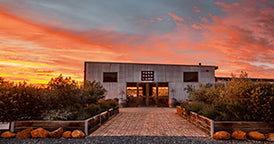
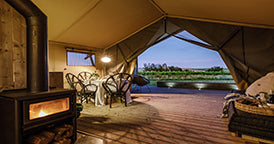
Orange NSW Cellar Door Tasting Tips for Your Visit

The best Orange NSW cellar door tasting is rarely the one where you try the most wines. It is the one where you have time to notice the difference a high-altitude vineyard makes, ask the questions you are genuinely curious about, and leave with a bottle you will be pleased to open again at home.
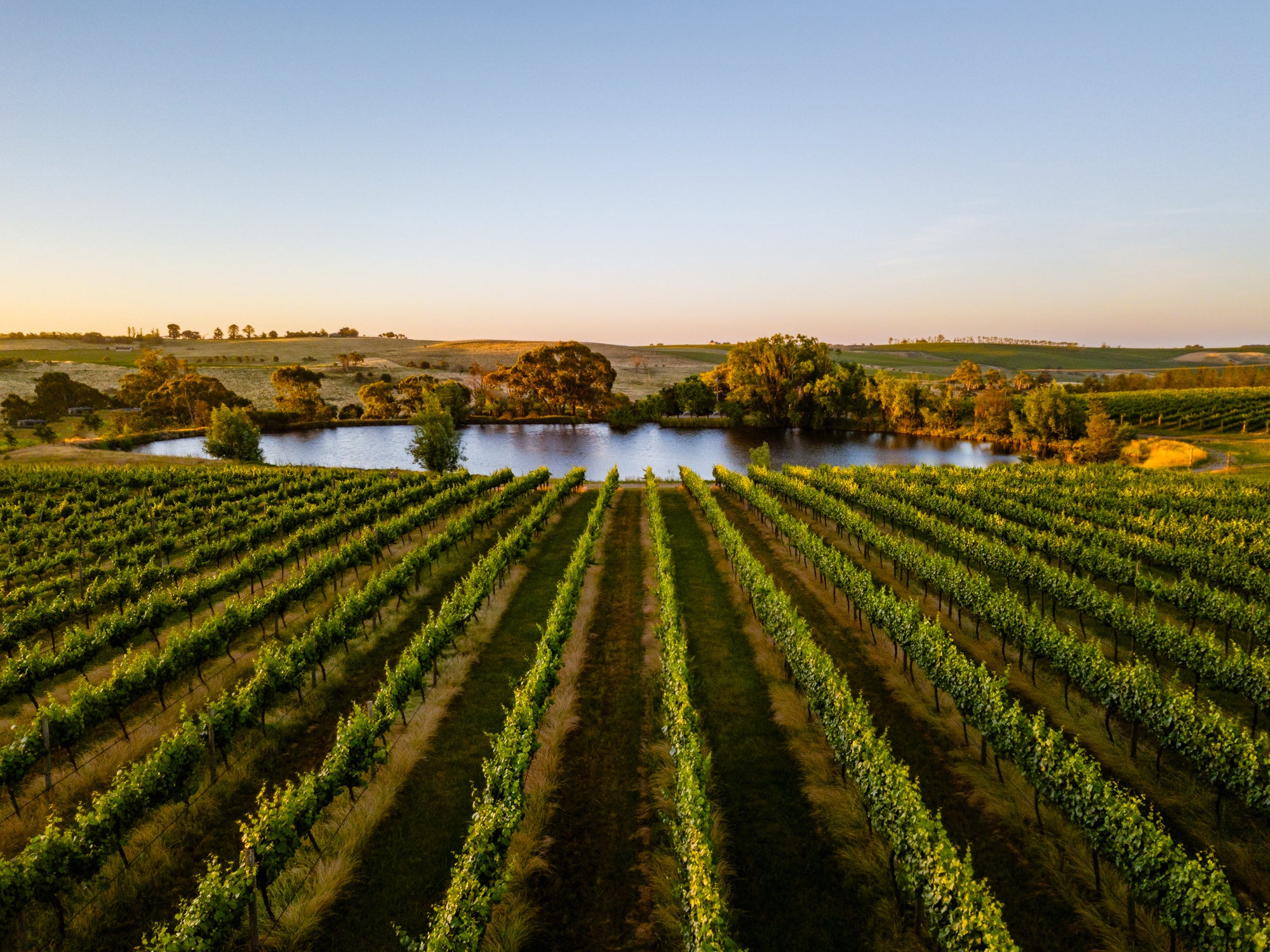
Orange is a region made for unhurried tasting. Vineyards sit high above sea level, where warm days and cool nights allow grapes to ripen gradually and hold their natural acidity. That combination brings freshness, perfume and definition to the glass, whether you favour a crisp Riesling, a textured Chardonnay or a finely structured Pinot Noir.
What makes an Orange NSW cellar door tasting different?
The Orange wine region is not defined by one grape alone. Its varied elevations, volcanic soils and cool-climate conditions make room for a wide range of styles, which is part of the pleasure of visiting. You might begin with a bright, dry white carrying citrus and floral notes, then move to a pear-scented Pinot Gris or an Arneis with a savoury edge. Later, elegant reds can show red berries, spice and fine tannin rather than sheer weight.
This variety means a tasting is not simply about finding the biggest or boldest wine. It is an opportunity to understand what you enjoy in a particular style. A Sauvignon Blanc Fumé may offer more texture and subtle oak influence than the sharp, herbal style some people expect. A cool-climate Shiraz can be peppery and composed, with vibrant fruit at its centre. Neither approach is better in every situation. It depends on the food you cook, the season, and whether you are choosing a bottle for tonight or for the cellar.
A good cellar door host will make those distinctions clear without turning the experience into a lecture. Tell them what you usually drink, but also mention what you would like to explore. That gives the tasting a useful starting point while leaving room for surprise.
Plan your tasting around how you want to spend the day
A little planning creates a more relaxed visit. Book ahead where possible, particularly on weekends, public holidays and during the busy autumn period. A reservation gives the team time to prepare for your group and helps ensure you are not trying to fit a considered tasting into a rushed gap between other plans.
Aim to arrive with enough time to settle in. A cellar door tasting rewards attention: the colour in the glass, the aroma that develops after a minute or two, the way a wine changes alongside food. If your itinerary is packed with several venues, tasting fatigue can set in quickly. Two or three well-chosen stops will often be more memorable than a full day of hurried pours.
It also pays to consider transport before the first tasting. Nominate a driver, organise a local service, or build an overnight stay into the visit. Wine country is best enjoyed when nobody needs to watch the clock or make a difficult decision about getting back safely.
Start with a few honest preferences
You do not need a technical vocabulary to get value from a tasting. “I like dry whites with plenty of freshness”, “I usually prefer lighter reds”, or “I am looking for something special to give as a gift” are all helpful starting points.
If you are unsure, describe a wine you have enjoyed recently and why. Perhaps it was generous and creamy, or perhaps it was lean, zesty and mineral. Your host can guide you towards similar character, then offer something slightly outside your usual choice. That is often where a cellar door visit earns its place over selecting a bottle from a shelf.
Taste with purpose, not pressure
There is no prize for finishing every pour. Use the spittoon if you are driving or visiting more than one cellar door, and take small sips when comparing wines. Water and a little food between tastings will help your palate stay clear, especially once you move into fuller-bodied reds.
Notice three things before deciding whether you like a wine: its aroma, its shape on the palate, and its finish. A Riesling might begin with lime, jasmine and green apple, then finish dry and precise. A Chardonnay could bring stone fruit and citrus, with barrel fermentation adding a gentle nutty note and creamier texture. With red wines, consider whether the tannin feels silky, firm or grippy, and whether that structure suits the meal you have in mind.
There is no need to force yourself to enjoy a style because it is fashionable or highly awarded. Your palate is the point. At the same time, do not dismiss a wine after one quick sip. Let it sit for a moment, revisit it after another wine, or ask to compare two styles side by side. Context can change a first impression.
Choosing bottles worth taking home
The practical benefit of visiting a cellar door is being able to choose wine with a purpose. Rather than buying on label appeal alone, you can match a bottle to an occasion and understand why it works.
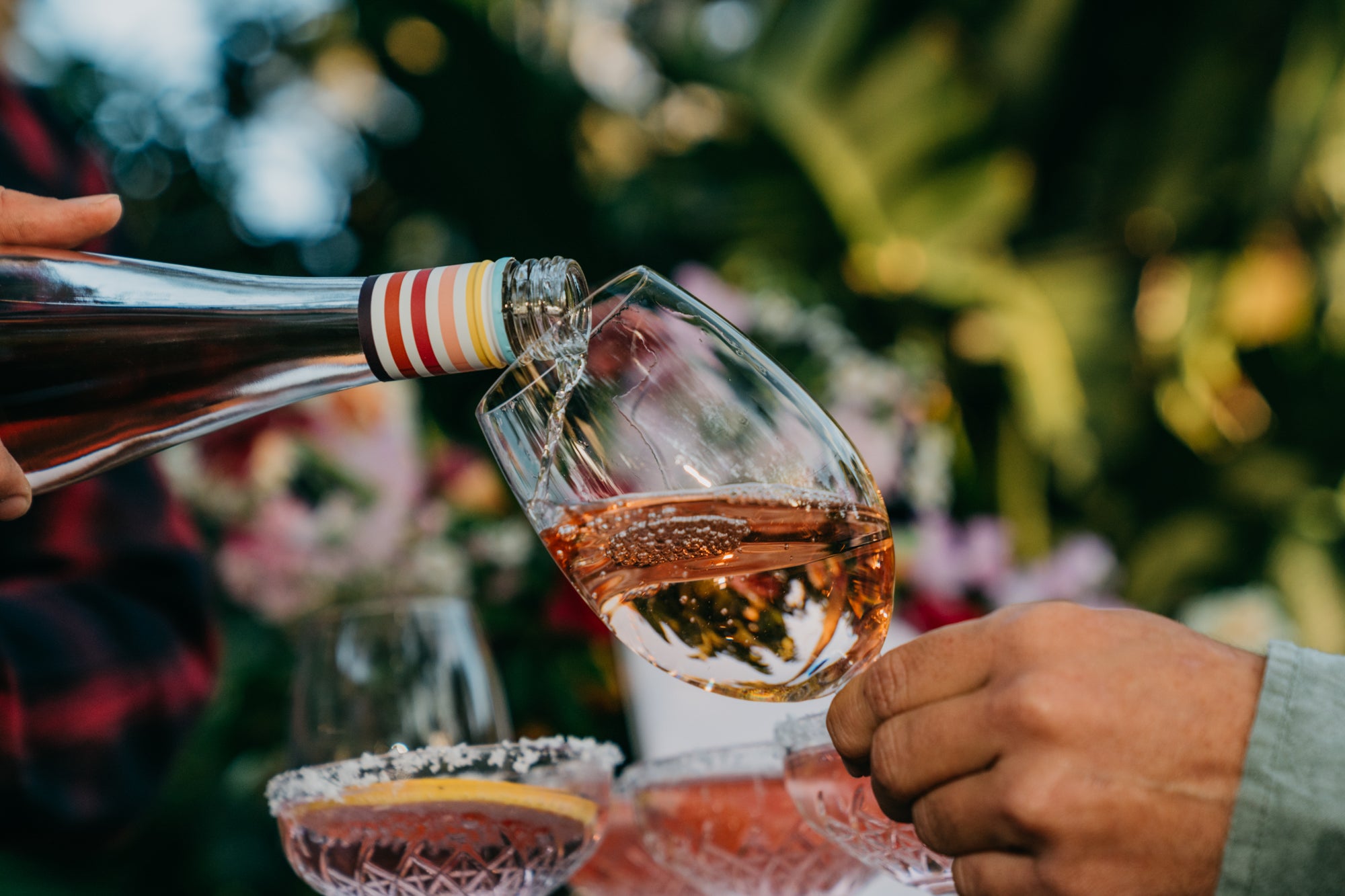
For easy entertaining, look for wines that are expressive now and flexible at the table. A dry Pinot Gris can work beautifully with prawns, lighter pasta dishes or a shared platter. Rosé is a natural choice for a long lunch, particularly when the weather is warm. For a Sunday roast, a medium-bodied Pinot Noir or Tempranillo can bring lift and spice without overwhelming the meal.
For a more significant dinner or a gift, ask about the winery’s limited releases and flagship wines. Small-production wines made from the best fruit often have greater concentration and detail, but they may also benefit from time in the bottle. Ask whether the wine is drinking well now, when it is likely to reach its best, and how to store it. A direct answer is more useful than vague promises of ageing potential.
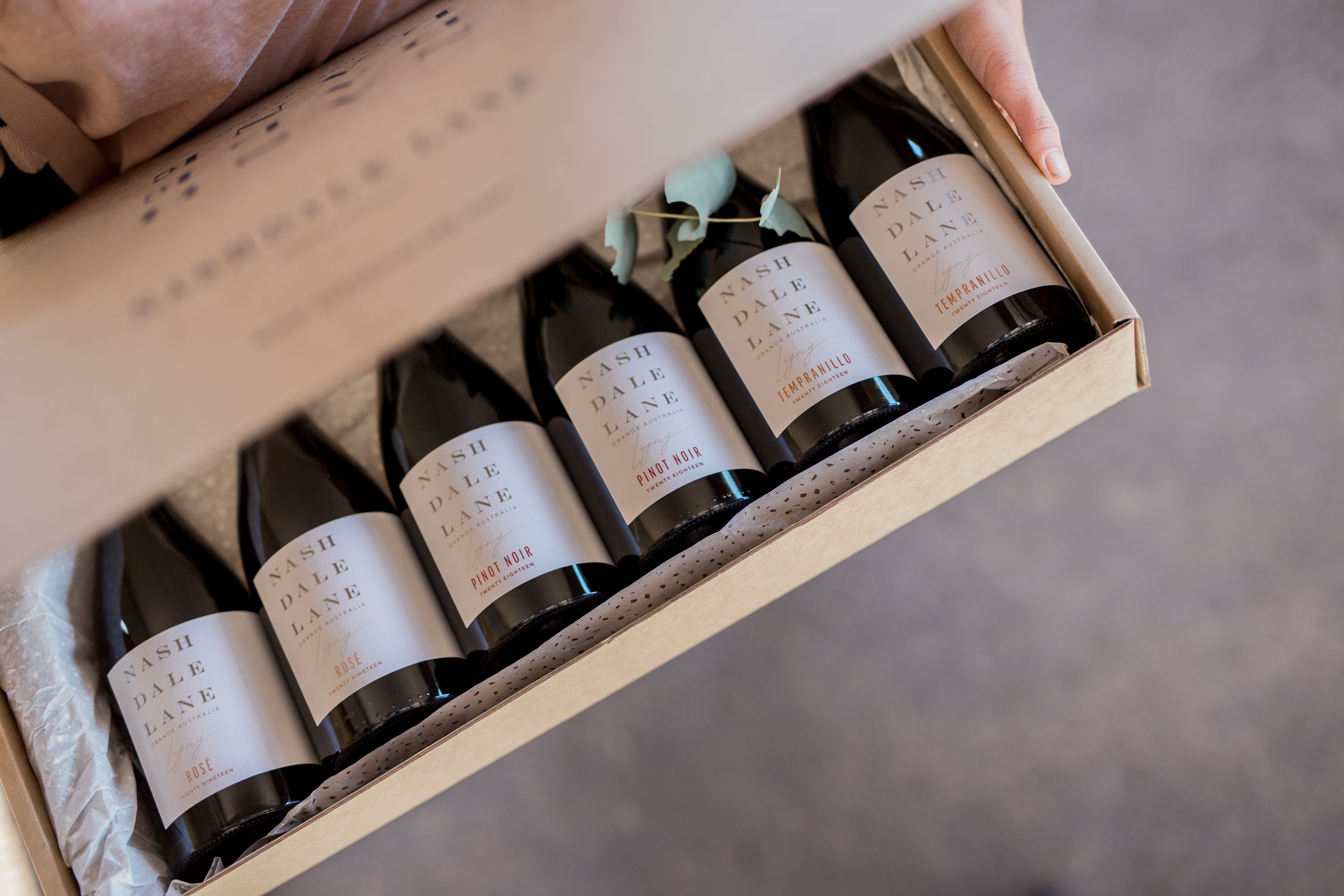
At Nashdale Lane Wines, the single-vineyard range offers a clear way to taste this sense of place across different varieties. The vineyard was planted in 2001, and its elevated site lends freshness and poise across whites, rosé and reds, while the Legacy collection is suited to those seeking a more cellar-worthy, small-production bottle.
Do not overlook a wine simply because it is intended for earlier drinking. A beautifully made everyday bottle can be the most rewarding purchase of the day - one you open without waiting for a milestone. Consider taking home a mix: a familiar favourite, one bottle that challenged your expectations, and something held back for a proper occasion.
Questions that make a tasting more rewarding
A cellar door is one of the few places where the people pouring the wine can explain the decisions behind it. Ask about vintage conditions, particularly in a cool-climate region where seasons can shape style noticeably. A warmer year may bring riper fruit and a broader palate, while a cooler season can emphasise acidity, perfume and tension.
It is also worth asking how the wine was made. Was it fermented in stainless steel or oak? Was the oak new or older? How long did it spend on skins or lees? These details are not meant to complicate the experience. They explain why one white feels bright and linear while another feels more layered and textural.
If sustainability matters to you, ask what it looks like on the ground. The useful answers are often specific: soil care, water management, biodiversity, canopy work or reduced inputs. Sustainable viticulture is not a single formula, and vineyard practices should be considered alongside the quality and character they bring to the fruit.
Leave room for the vineyard itself
A tasting should connect the glass to where it was grown. Take a moment to look over the vines, feel the shift in temperature, and notice the open country around the cellar door. Those details are not decoration. They help explain why an Orange wine can carry such brightness and restraint, even when the fruit is generous.
Bring a jacket if the forecast is mild, allow time for a stroll after your tasting, and give yourself permission to linger over the wine you enjoyed most. The right bottle will carry a little of that vineyard afternoon with it, long after the drive home.
Also in Nashdale Lane Blogs & News

Chardonnay versus Sauvignon Blanc - Which to Pour?

Flagship Wine Collection Guide for Your Cellar