

 Best Sellers
 White Wine
 Rosé
Rosé
 Red Wine
 Bundles
 Shop All


Chardonnay versus Sauvignon Blanc - Which to Pour?

A plate of just-shucked oysters, a roast chook with lemon and herbs, a long lunch that runs into evening - the better choice is not always obvious. Chardonnay versus Sauvignon Blanc is less about one wine being ‘better’ than the other, and more about the mood, the menu and the style in the glass.
Both varieties thrive in Australia’s cooler wine regions, yet they arrive at the table with distinctly different personalities. Sauvignon Blanc is often the lively first impression: aromatic, brisk and bright. Chardonnay tends to be more textural and quietly complex, with fruit, savoury detail and, in some wines, the gentle influence of oak. Knowing where those differences come from makes choosing a bottle far more enjoyable.
Chardonnay versus Sauvignon Blanc: the essential difference
At their core, these are two very different grapes. Sauvignon Blanc is naturally high in acidity and highly aromatic. Depending on ripeness and winemaking, it can show grapefruit, lime, passionfruit, gooseberry, fresh herbs, snow pea and cut grass. Its appeal lies in its energy. A well-made Sauvignon Blanc feels clean, lifted and immediately refreshing.
Chardonnay is more of a canvas. The grape can produce wines ranging from taut and citrus-driven to generous and layered, and its final style is shaped strongly by site and cellar decisions. In a cool climate, expect lemon, white peach, nectarine, pear and apple skin, often with flinty or struck-match notes. Oak maturation, lees stirring and malolactic fermentation can add toast, spice, creamy texture or savoury complexity.
That means the simplest distinction is usually this: reach for Sauvignon Blanc when you want fragrance and refreshment; choose Chardonnay when you want depth, texture and a little more breadth across the palate. Of course, there is useful overlap. A restrained Sauvignon Blanc can be beautifully mineral, while a finely made, cool-climate Chardonnay can be linear and refreshing rather than rich.
Flavour is only part of the story
A wine’s texture often provides the clearest clue to which bottle will suit the moment.
Sauvignon Blanc: bright, aromatic and mouth-watering
Sauvignon Blanc generally feels light to medium-bodied, with acidity that makes the mouth water. The flavour profile can run from tropical and exuberant to citrusy, herbal and refined. Warm-region examples may lean towards passionfruit and guava. Cooler sites tend to preserve more grapefruit, lemon, jasmine and green apple freshness.
This is why Sauvignon Blanc is such a natural aperitif. Served properly chilled, it wakes up the palate and suits afternoons outdoors, seafood platters and lighter dishes. It is also an easy wine to enjoy on its own, particularly when the day calls for something crisp rather than contemplative.
Not every Sauvignon Blanc is made in the same style. Sauvignon Blanc Fumé, for example, may see barrel fermentation or maturation, bringing a subtle smoky, savoury edge and more mid-palate texture. It still carries the variety’s vivid acidity, but it can sit closer to food-friendly Chardonnay territory than many people expect.
For an Orange example, Nashdale Lane's Sauvignon Blanc Fumé shows how interesting this style can become in a cool-climate setting. Its citrus and grapefruit character is joined by floral and herbal notes, with subtle oak and vanilla adding another layer without taking away the wine's freshness.
Chardonnay: layered, composed and versatile
Chardonnay can feel fuller and creamier than Sauvignon Blanc, but it need not be heavy. The best examples hold their fruit, acidity and texture in balance. A cooler-climate Chardonnay might begin with citrus and white stone fruit, then open into almond meal, brioche, hazelnut or spice as it warms slightly in the glass.
Nashdale Lane Chardonnay is a good example of why Chardonnay deserves a place beside Sauvignon Blanc. Grown in the high-altitude Orange vineyard, it combines ripe fruit with freshness and a layered palate, making it a wine that can be enjoyed casually but also has enough complexity to reward sitting down with it over dinner.
Oak is often the talking point, but it should be a supporting player rather than the main event. Thoughtful use of French oak can frame the fruit and lend complexity without turning the wine buttery or overtly woody. Some Chardonnays see no oak at all, while others are built for a more generous, cellar-worthy expression.
If Sauvignon Blanc offers a sharp, clear line, Chardonnay often offers shape. It can coat the palate, carry richer flavours and keep revealing new details over a meal.
Why cool climate matters in the glass
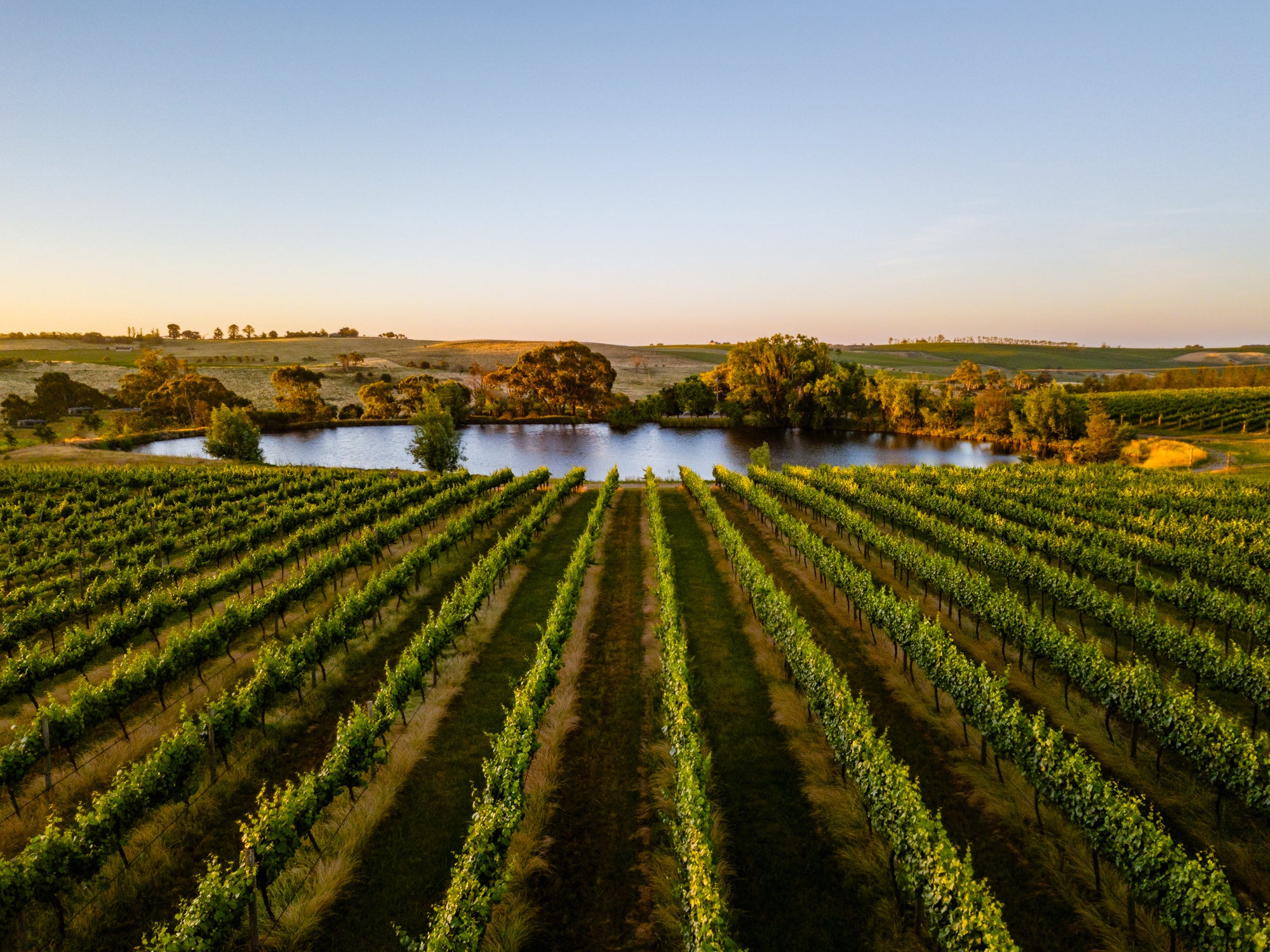
Climate is one of the reasons Australian Chardonnay and Sauvignon Blanc are so varied. In high-altitude, cool-climate regions such as Orange, slower ripening helps grapes retain natural acidity while developing flavour at a measured pace. The result can be wines with brightness, elegance and definition rather than sheer ripeness.
This is particularly relevant to Nashdale Lane Wines, where the vineyard sits at high altitude in Orange. The cool conditions help create the natural freshness that runs through the wines, while the vineyard's elevation and growing conditions contribute to their distinctive regional character.
For Sauvignon Blanc, cool conditions can bring finely drawn citrus, herbs and floral notes, with a more restrained tropical character. The acidity feels fresh rather than sharp when the fruit is balanced.
For Chardonnay, the same conditions can preserve lemon and grapefruit notes, build tension through the palate and give the wine a long, composed finish. This is the style that rewards attention: fresh enough for the first course, structured enough to stay interesting beside a more substantial meal.
Vintage also matters. A warmer season may bring riper fruit and broader texture, while a cooler season can make acidity more prominent and flavour profiles more citrus-led. There is no universal winner here. It depends on whether you prefer a generous glass or one with a little more restraint.
Match the wine to the food, not the label
Sauvignon Blanc’s acidity and aromatic lift make it particularly good with foods that are fresh, salty, tangy or green. Think oysters with a squeeze of lemon, prawns from the barbecue, Thai-style salads, goat’s cheese, asparagus or a simple bowl of olives and almonds before dinner. Its clean finish cuts through vinaigrettes and bright dressings that can make some wines taste flat.
For a summer seafood lunch, Nashdale Lane Sauvignon Blanc Fumé is a particularly useful choice. It has enough freshness for prawns and grilled fish, but its subtle savoury and oak characters give it the extra dimension needed when the food comes off the barbecue.
Chardonnay has the texture to meet richer dishes. Roast chicken, pork with apple, grilled fish, creamy pasta, mushroom risotto and lobster with drawn butter all have a natural affinity with Chardonnay. A lean, unoaked style works well with simply cooked fish, while a barrel-fermented wine can stand up to roast poultry, cauliflower gratin or a generous cheese board.
That makes Nashdale Lane Chardonnay a natural choice for a longer lunch or dinner where the wine needs to stay interesting as the food becomes more substantial. It is the bottle to reach for when you want something with a little more texture and depth than a classic crisp white.
There are exceptions worth remembering. A textured Sauvignon Blanc Fumé can be excellent with roast chicken or chargrilled prawns, particularly where herbs, smoke or creamy sauces are involved. Meanwhile, a taut, citrus-focused Chardonnay can be superb with sashimi or freshly shucked oysters. Pairing is less about rules than matching intensity, acidity and texture.
Choose by occasion and drinking style
For a warm afternoon, a relaxed gathering or the first glass before lunch, Sauvignon Blanc is often the easier call. Its aromatic character makes an immediate impression, and its freshness suits lighter fare and warmer weather. Keep it well chilled, but not icy - around 8 to 10°C is usually enough to preserve its perfume without muting the flavour.
Chardonnay belongs just as comfortably at the table, though it is often best when given a little more room to show itself. Serve it closer to 10 to 12°C. Too cold and its fruit and texture disappear; too warm and oak or alcohol can feel more pronounced. A larger glass helps, especially with a complex style.
For gifting, Chardonnay can be a particularly strong choice for someone who enjoys fine wine, cooking and lingering over a meal. Its capacity to develop with bottle age also makes it appealing for a special occasion. Sauvignon Blanc is a confident option for a host, a summer weekend or anyone who likes vibrant, dry whites without fuss.
If you are buying for someone who enjoys trying something a little different, a bottle of Nashdale Lane Sauvignon Blanc Fumé can be a thoughtful choice. It gives them the familiar freshness of Sauvignon Blanc while offering the extra texture and savoury complexity that comes from the Fumé style.
A useful way to taste both side by side
If you are deciding between the two, pour a small glass of each alongside a simple plate of food. Start with the Sauvignon Blanc and notice its aroma before tasting: are you finding citrus, herbs, florals or tropical fruit? Then take a sip and pay attention to how quickly the flavour finishes and how the acidity feels.
Move to the Chardonnay and look for its shape on the palate. Is the fruit more lemony or stone-fruited? Does it feel creamy, savoury, lightly toasted or mineral? The contrast becomes clear quickly. Sauvignon Blanc tends to announce itself through aroma and freshness; Chardonnay usually speaks through texture and length.
At Nashdale Lane, the contrast between Sauvignon Blanc Fumé and Chardonnay is a particularly rewarding one to explore. Both reflect the character of cool-climate Orange fruit, while offering two distinct approaches to white wine. The Sauvignon Blanc Fumé is lively, aromatic and savoury, while the Chardonnay brings greater breadth, texture and a quieter kind of complexity.
For anyone visiting Orange, experiencing Nashdale Lane at the vineyard makes the comparison even more interesting. Tasting the wines where the fruit is grown gives you a better sense of how altitude, climate and vineyard conditions influence what eventually reaches the glass.
The best bottle is the one that suits the food, the company and the pace of the occasion. Keep a bright Sauvignon Blanc chilled for spontaneous moments, and make space for Chardonnay when dinner deserves a little more time and attention.
And if you are torn between the two, there is an easy answer: try both. Put a bottle of Nashdale Lane Sauvignon Blanc Fumé in the fridge for the afternoon, open the Chardonnay when dinner begins, and let the table decide which style wins you over. Sometimes the best way to understand Chardonnay versus Sauvignon Blanc is not to choose a side, but to enjoy what each brings to the occasion.
Also in Nashdale Lane Blogs & News

10 Best Anniversary Getaways in NSW for Couples

Wine Delivery Comparison for Better Bottles