

 Best Sellers
 White Wine
 Rosé
Rosé
 Red Wine
 Bundles
 Shop All

Why Cool Climate Wines From Australia Taste So Distinct

A warm afternoon can make a red wine feel broad and soft. A cool evening, a plate of roast duck and a finely structured Pinot Noir can show precisely why temperature, site and season matter. That contrast sits at the heart of cool climate wines Australia produces so well: wines with freshness, detail and enough shape to be as rewarding at the table as they are in the cellar.
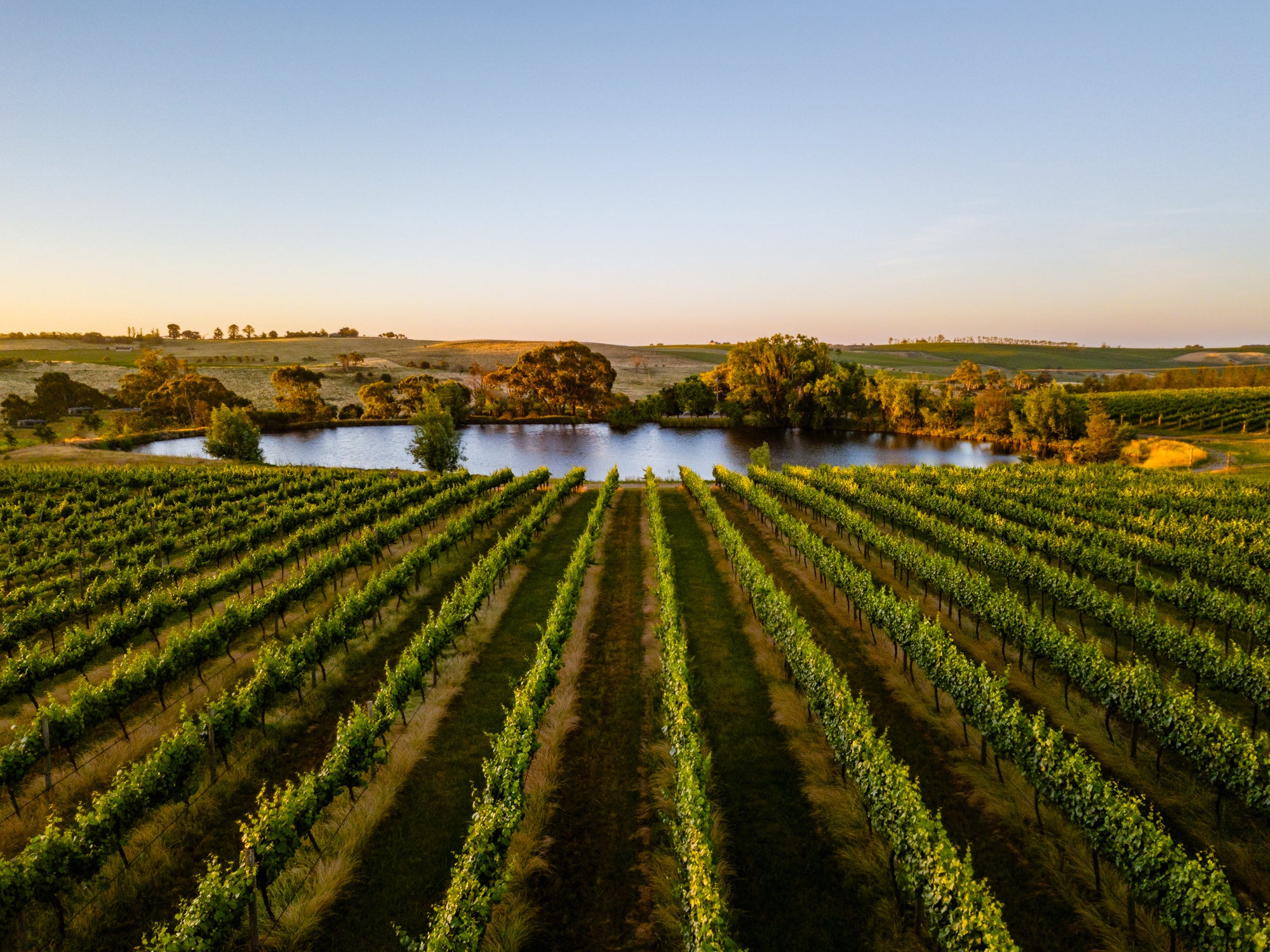
For drinkers who value regional character, cool-climate wine is not simply a style label. It is a reflection of how grapes ripen. Longer growing seasons, cooler nights and measured sunshine allow flavour to build gradually while natural acidity is retained. The result can be a Riesling with lime and jasmine rather than overt sweetness, a Chardonnay with grapefruit and subtle oak, or a Shiraz with pepper and dark berries in place of jammy weight.
What makes a wine region cool climate?
A cool climate is shaped by more than latitude. Altitude, aspect, rainfall, wind and the timing of the season all influence vineyard temperature. In Australia, elevated inland regions can be markedly cooler than nearby lowlands, particularly overnight. Those cold nights are valuable because they slow ripening and help grapes hold onto acidity.
Orange, in the Central West of New South Wales, is a clear example. Vineyards planted along the slopes of Mount Canobolas sit at significant elevations, where daytime sunshine is balanced by crisp air and a long, gradual ripening period. It is a setting that gives winemakers room to pick fruit at ripeness without sacrificing tension or perfume.
That does not mean every cool-climate wine tastes lean or severe. Good fruit still needs flavour concentration, and each variety has its own sweet spot. The aim is balance: generous enough to enjoy now, yet fresh enough to carry the wine through a meal and, in the right vintage, over years in the cellar.
The signature of cool climate wines in Australia
The most recognisable thread is natural acidity. It gives white wines lift and precision, makes rosé feel dry and refreshing, and keeps red wines energetic rather than heavy. Acidity is sometimes mistaken for sharpness, but in a balanced wine it is the element that makes you want another sip.
Cooler conditions also tend to preserve aromatic detail. Citrus, white flowers, green apple, pear and stone fruit can remain vivid in whites. In reds, expect red cherry, raspberry, plum, violet, spice and savoury notes to sit alongside darker fruit. The flavours are not necessarily louder; they are often more finely drawn.
Texture matters, too. A cool-climate Chardonnay may have creamy mid-palate weight from barrel fermentation and lees work, but retain a citrus line that keeps it composed. Pinot Noir can offer silky tannins and bright cherry fruit, while still showing earthy or forest-floor complexity as it develops. These are wines that reward attention without demanding a lecture before dinner.
Freshness is not a lack of flavour
There is a common assumption that fuller wines are more flavourful. In reality, warmth often amplifies ripeness rather than complexity. Cool-climate sites can produce wines with plenty of depth, but their fruit profile is usually fresher and their finish more composed.
A Tempranillo from a high-altitude vineyard, for instance, may show black cherry, dried herbs and savoury tannins rather than dense, sweet fruit. A Shiraz can be fragrant and peppery, with blackberries and spice held in a medium-bodied frame. For many Australian palates, that balance makes these wines especially versatile with food.
Varieties that thrive in cooler Australian regions
Riesling is one of the clearest expressions of cool climate. It can be dry, bright and finely structured, with lime, grapefruit and floral notes in youth. With bottle age, it may take on honeyed, toastier characters while retaining its line of acidity. It is a brilliant wine for seafood, spicy dishes and long lunches where freshness counts.
Pinot Gris performs beautifully when it is allowed to retain its tension. Look for pear, apple skin and gentle spice, often with a fuller texture than Sauvignon Blanc but more lift than a broad, warm-climate white. It suits creamy pasta, pork, charcuterie and soft cheeses.
Chardonnay is another benchmark. In the right cool site, it can bring together citrus and stone fruit, restrained oak, nutty complexity and a lingering finish. Winemaking choices are important here. New oak, malolactic fermentation and time on lees can add richness, while careful picking preserves the acidity that keeps the wine elegant.
Pinot Noir is a natural fit for cooler conditions, though it is not an easy grape to grow. It needs a long, even season and close attention in the vineyard. When the conditions align, it offers bright red fruit, fine tannin and a savoury edge that works as well with roast chicken as it does with mushroom dishes or duck.
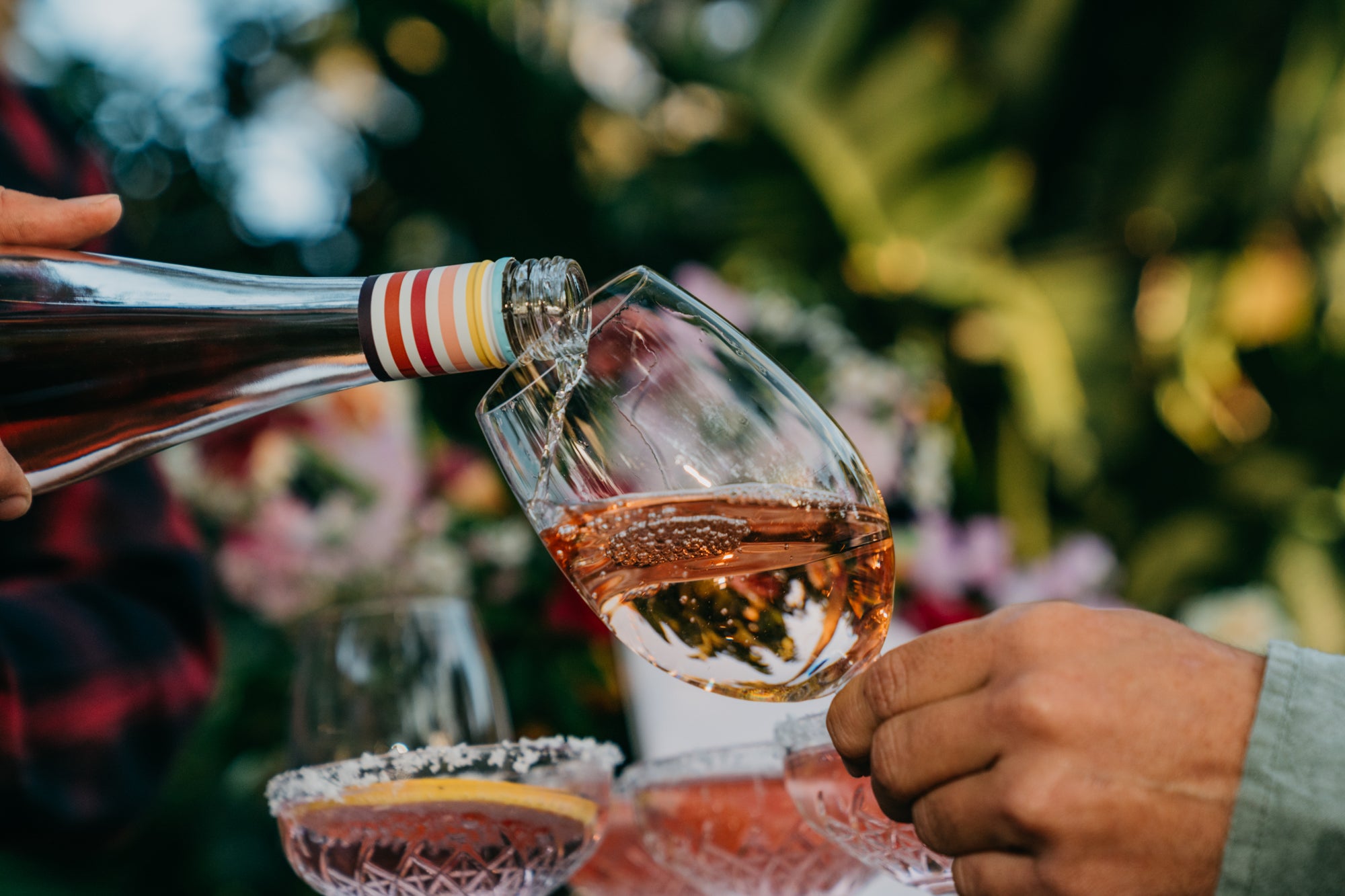
Sauvignon Blanc, Arneis and rosé also show the appeal of freshness in different ways. Sauvignon Blanc Fumé can pair vibrant citrus and herb notes with subtle smoky texture from oak. Arneis brings a more textural, aromatic style, often with white peach, pear and almond-like characters. A dry rosé made from carefully picked fruit can be the bottle that moves effortlessly from afternoon aperitivo to dinner.
Why vintage matters more in a cool climate
Cool regions are not identical from year to year, and that is part of their appeal. A warmer season may bring riper fruit and a rounder palate. A particularly cool or wet season may require careful vineyard management, selective picking and patient winemaking to achieve balance. The best producers do not try to make every vintage taste exactly the same.
Instead, they work with the season while protecting the character of the vineyard. Canopy management, crop levels, harvest timing and parcel selection all become important decisions. In the winery, a light touch can preserve the fruit's natural definition, while thoughtful use of oak and time can build texture without covering the site.
For collectors, vintage variation is worth embracing. Buy a few bottles of a wine you enjoy and open one early, then another after a year or two. The changes can be revealing, particularly in Riesling, Chardonnay, Pinot Noir and more structured flagship reds.
How to choose cool-climate wine for your table
Start with the occasion rather than a rigid rule. For oysters, grilled fish or a warm afternoon, reach for Riesling, Pinot Gris or a dry rosé. For richer seafood, roast chicken or creamy dishes, Chardonnay offers texture without losing freshness. Pinot Noir is a dependable choice for lighter red meat, duck and vegetarian dishes built around mushrooms, lentils or roasted vegetables.
For a hearty meal, do not assume you need the biggest possible red. A cool-climate Shiraz or Tempranillo can bring ample flavour with brighter fruit and finer tannins, making it easier to enjoy over a full evening. Decanting a young red for 30 minutes can help its perfume open, while serving it slightly below room temperature often brings the fruit and structure into better focus.
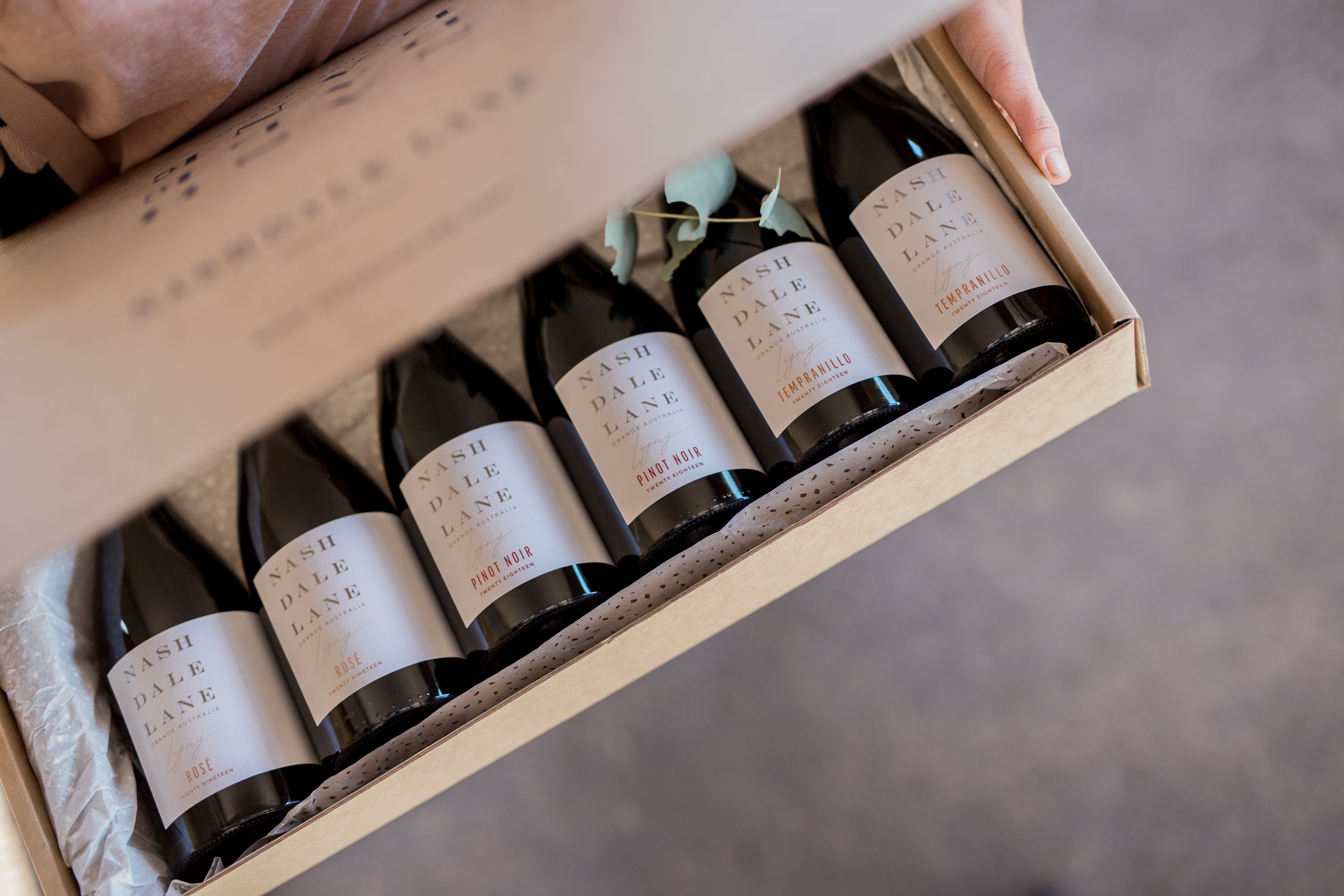
When buying for a gift, single-vineyard and limited-release wines offer a genuine sense of place. They communicate thoughtfulness without relying on a grand gesture. A mixed selection of whites, rosé and reds can also make a generous choice for people whose preferences you do not know precisely.
A wine experience shaped by place
The appeal of cool-climate wine is inseparable from the places that grow it. Walking through an elevated vineyard, feeling the temperature fall late in the day and tasting wines made from those rows gives the glass more context. At Nashdale Lane Wines, that connection between high-altitude fruit, careful winemaking and a welcoming Orange stay is part of the experience, whether you visit for a tasting or open a bottle at home.
If you are building your appreciation of cool-climate styles, taste two or three varieties side by side and take your time. Notice where the acidity sits, how the fruit changes as the wine warms, and which bottle best suits your table. The most memorable wine is rarely the loudest one. It is the one that feels complete, reflects its vineyard clearly and leaves you looking forward to the next glass.
Also in Nashdale Lane Blogs & News

10 Best Anniversary Getaways in NSW for Couples

Wine Delivery Comparison for Better Bottles