

 Best Sellers
 White Wine
 Rosé
Rosé
 Red Wine
 Bundles
 Shop All
High Altitude Riesling: Why Elevation Matters

A Riesling grown high above sea level does not need to shout for attention. Its character is there from the first pour: lifted citrus, white flowers, green apple and a line of acidity that feels precise rather than sharp. High altitude Riesling is shaped by a slower season, cool evenings and fruit that holds onto its natural freshness well into harvest.
For wine drinkers who enjoy a dry, refined white with genuine sense of place, elevation is more than a vineyard detail on a label. It is one of the reasons a Riesling can feel so clear, energetic and satisfying at the table.
What makes high altitude Riesling different?
Riesling is an unusually transparent variety. It readily shows the growing conditions around it, from the warmth of the day to the chill of the night, the season’s rainfall and the soil beneath the vines. At higher elevations, vineyards generally experience cooler average temperatures and a wider swing between daytime warmth and night-time cold.
That temperature range matters. Warm daylight hours allow grapes to develop flavour, while cool nights slow the loss of acidity. The fruit can ripen gradually instead of racing towards sugar ripeness, creating wines with clarity, fragrance and a fine, persistent structure.
In practical terms, this often means aromas of lime, grapefruit, lemon pith, crisp apple and jasmine rather than broad, tropical fruit. The palate tends to be lighter on its feet, with a taut citrus core and a refreshing finish. A well-made high altitude Riesling can be immediately appealing in its youth, yet it also has the poise to develop beautifully in the cellar.
Why Orange elevation suits Riesling
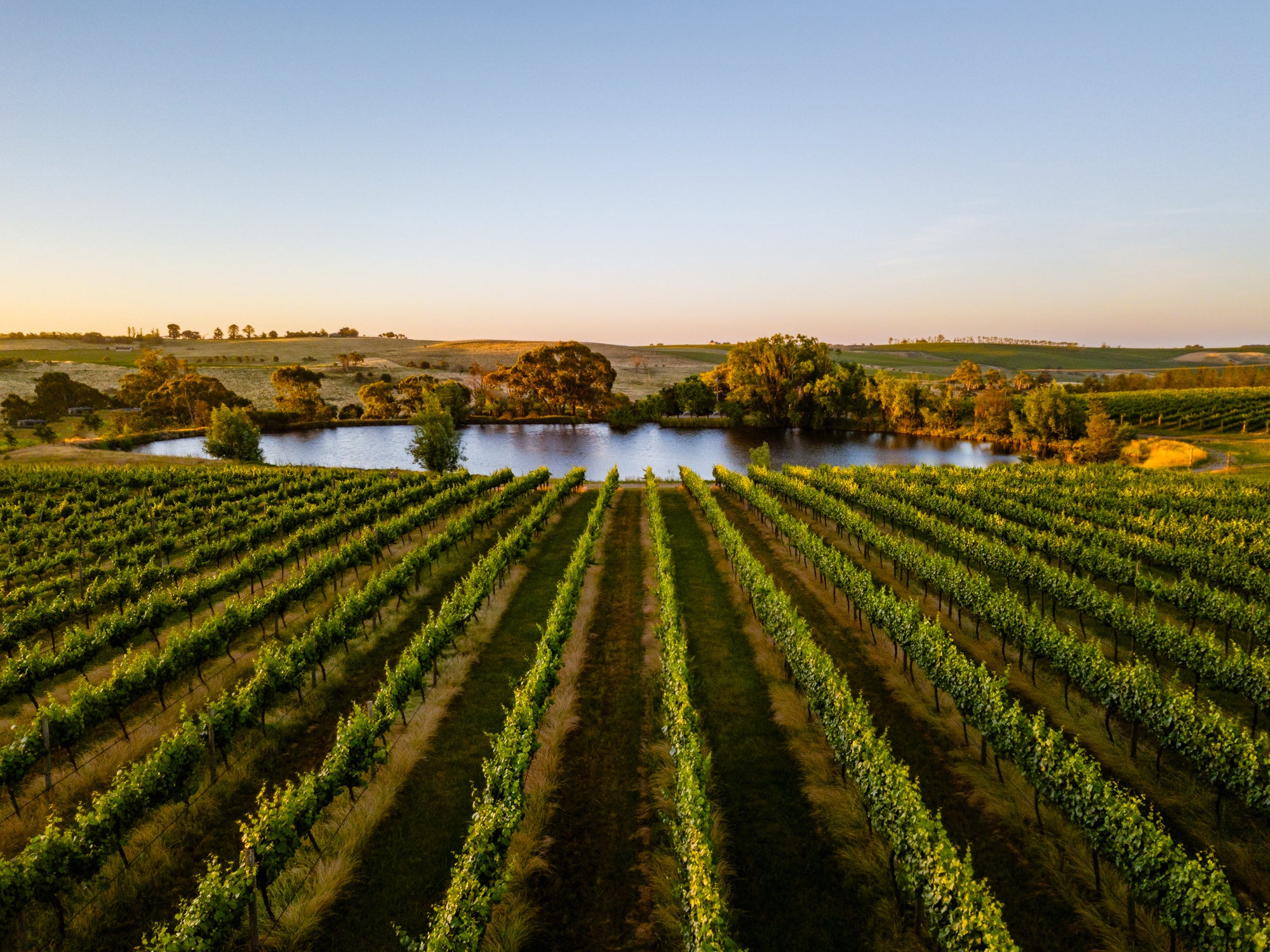
Orange is one of Australia’s most distinctive cool-climate wine regions, with vineyards planted across elevated sites on the slopes of Mount Canobolas. Altitude varies across the region, but the higher sites bring a notably cooler growing environment than many inland Australian vineyards.
The result is not simply lower temperatures. It is a longer conversation between vine and season. Budburst, flowering, flavour development and harvest all unfold at a measured pace, giving growers more opportunity to pick fruit at the point where bright flavour and natural acidity are in balance.
For Riesling, that balance is the whole point. Pick too early and the wine may be austere, with acidity that overwhelms the fruit. Pick too late and it can lose the vivid line that makes the variety so compelling. Cool, elevated conditions make it easier to capture citrus intensity without sacrificing elegance.
Vintage still has its say. A warmer season may bring riper lemon, stone fruit and a little more generosity across the palate. A cooler year may lean towards lime leaf, grapefruit and brisk mineral detail. Neither is automatically better. The pleasure is in recognising how the same vineyard can tell a slightly different story each year.
The role of vineyard care and picking decisions
Elevation provides the setting, but it does not make the wine on its own. The best fruit comes from careful work through the season: balanced vine canopies, considered water management, healthy soils and close attention to crop levels. These choices influence how evenly grapes ripen and how clearly the site comes through in the finished wine.
Timing the harvest is particularly important for Riesling. Winemakers taste berries, assess acidity and watch flavour development closely. Laboratory figures are useful, but they do not replace the judgement that comes from walking the rows and tasting the fruit. The aim is to preserve vibrancy while ensuring there is enough flavour weight to carry the wine beyond its first sip.
Many high-quality Australian Rieslings are made in a deliberately restrained style. The grapes are handled gently, fermentation takes place in stainless steel, and the wine spends minimal time in oak, if any. This is not an absence of winemaking. It is a choice to let the vineyard do the talking.
Some producers may use a small portion of older oak or allow extended time on lees to add texture. Those approaches can work well, particularly when the fruit has enough natural intensity, but they should support the Riesling rather than disguise it. The defining features remain freshness, perfume and line.
How a high altitude Riesling should taste
There is no single flavour profile, yet a few qualities regularly appear in the glass. Citrus is often the starting point: fresh lime juice, lemon zest, grapefruit and sometimes mandarin. Depending on the site and season, you may also find pear, apple skin, white peach, jasmine, talc or a subtle stony note.
The texture is just as revealing as the aroma. High altitude Riesling often begins delicately, then gathers intensity through the middle of the palate. Its acidity should feel finely woven through the fruit, creating length and a clean finish that invites another sip.
Dryness is worth understanding here. Australian Riesling can range from bone dry to gently off-dry, and both styles have their place. A dry example is particularly versatile with food and often feels more savoury than people expect. A small amount of residual sugar can soften acidity and suit spicy dishes, provided the wine remains balanced. Rather than relying on the word Riesling alone, look for the producer’s tasting note and style indication.
At Nashdale Lane Wines, the appeal of Riesling begins with that high-country freshness: carefully grown fruit, a cool-climate season and a style built around purity rather than excess. It is a wine made for relaxed lunches, considered dinners and the simple pleasure of opening something bright and beautifully composed.
Food matches that let Riesling shine
High altitude Riesling is one of the most useful bottles to have chilled at home because its acidity makes food taste more vivid. It cuts through richness, lifts salty flavours and is comfortable alongside aromatic herbs and spice.
Try it with Sydney rock oysters, fresh prawns or grilled barramundi with lemon and herbs. It is equally at home with a creamy goat’s cheese tart, roast chicken with fennel, or Vietnamese-style salads layered with mint, coriander and chilli. The wine’s citrus character provides a natural bridge to dishes that use lime, ginger or lemongrass.
For a more relaxed occasion, pour it with salty snacks, olives and good cheese on the verandah. Choose a soft, creamy cheese or a firm alpine-style cheese rather than a heavily blue-veined option, which can dominate a finely structured wine. Served well chilled, but not ice cold, Riesling shows more fragrance and texture as it slowly warms in the glass.
Can you cellar high altitude Riesling?
Absolutely, although the answer depends on the style and the vintage. The finest examples have enough acidity, concentration and balance to evolve over many years. Their bright citrus notes can shift towards beeswax, toast, preserved lemon, honey and more savoury complexity, while the palate gains softness without losing definition.
A bottle intended for early drinking can still be delicious, particularly when its fruit is at its most aromatic. If you enjoy the crispness of lime and green apple, open it young. If you are curious about the more layered side of Riesling, buy a few bottles and taste one each year. This is one of the most rewarding ways to understand how a wine develops.
Store bottles somewhere cool, dark and stable. Consistency matters more than finding the coldest corner of the house. For bottles under screw cap, keeping them on their side is not essential, though it is perfectly fine if that is how your wine rack is arranged.
Choosing a bottle with confidence
When selecting a high altitude Riesling, start with the region and the producer’s style. Terms such as cool-climate, single-vineyard and dry can offer helpful clues, but a tasting note will tell you more about what to expect in the glass. Look for descriptions that mention citrus, floral notes, natural acidity and a long finish if you prefer a classic dry expression.
The best occasion to open one is often the least complicated. Chill a bottle, set out a plate of seafood or a simple shared meal, and give the wine a few minutes in the glass. Its detail will emerge quietly, then stay with you long after the last sip.
Also in Nashdale Lane Blogs & News

10 Best Anniversary Getaways in NSW for Couples

Wine Delivery Comparison for Better Bottles