

 Best Sellers
 White Wine
 Rosé
Rosé
 Red Wine
 Bundles
 Shop All


Why our Riesling from Orange is so distinctive

A glass of dry Riesling from Orange can feel wonderfully direct: lime and grapefruit at first, white flowers through the middle, then a clean, mouth-watering line that asks for another sip. It is a wine shaped by elevation and season, but also by restraint. When the fruit is picked at the right moment and handled with care, Riesling does not need much embellishment to make an impression.
For wine drinkers who enjoy freshness, detail and a wine that earns its place at the table, Orange Riesling is one of New South Wales’ most compelling expressions. It can be bright and immediately inviting in its youth, yet it also has the structure to reward patience in the cellar.
What makes dry Riesling from Orange distinctive?
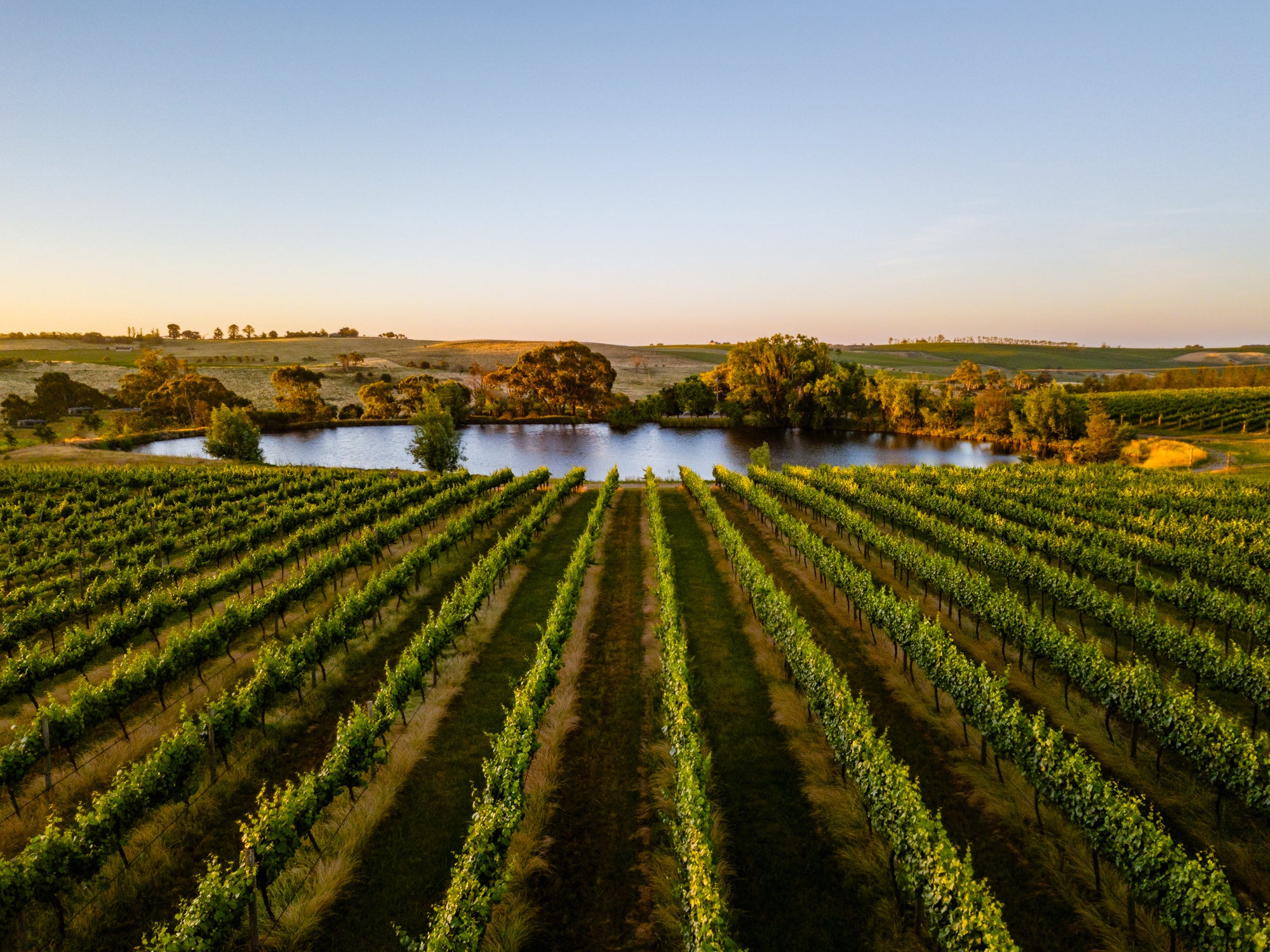
Orange is one of Australia’s highest wine regions, with vineyards spread across elevated slopes on and around the Mount Canobolas area. That altitude matters. Warm days allow grapes to develop flavour, while cooler evenings slow the ripening process and help preserve natural acidity. Riesling responds particularly well to this measured pace.
The result is rarely broad or heavy. Instead, a well-made dry Riesling from Orange tends to show citrus fruit with a cool-climate edge: lemon zest, grapefruit, green apple and lime leaf, sometimes with jasmine, elderflower or a faintly spicy note. The palate is typically light to medium-bodied, but it should not feel slight. Its energy comes from acidity, flavour concentration and a fine, lingering finish.
Vintage plays a meaningful role. In a cooler season, expect tighter citrus, brisk acidity and a more linear shape. A warmer year may bring riper lemon, stone fruit or orange blossom characters, with a rounder feel through the palate. Neither is automatically better. The pleasure lies in seeing the vineyard speak through the season while the wine retains its essential freshness.
Orange also contains a range of sites and soil types, so no two vineyard Rieslings taste exactly alike. This is why single-vineyard wines are so rewarding. They offer a more focused view of place, rather than blending away the small differences that give a wine its character.
Dry does not mean austere
Riesling has long carried an unfair reputation for being sweet. While there are beautiful off-dry and sweet examples, dry Riesling is fermented so that little to no residual sugar remains. Its brightness comes from acidity, not sweetness.
That distinction matters when choosing a bottle. A dry Riesling can smell of ripe citrus and blossom, yet finish crisp and clean. It may even seem to carry a hint of sweetness because ripe fruit aromas naturally suggest it, particularly when the wine is very cold. As it warms slightly in the glass, the dry structure becomes clearer and the flavour range opens up.
Dryness is also not the same as hardness. A balanced wine has enough fruit weight to match its acidity. It should refresh the palate rather than strip it. The best examples have a gentle softness at their centre, with the acidity providing shape and length rather than simply sharpness.
For anyone who usually reaches for Sauvignon Blanc or Pinot Gris, dry Riesling is an easy and worthwhile next step. It offers the aromatic lift and freshness those varieties can provide, but with a more delicate texture and a particularly clear expression of vineyard and vintage.
The winemaking choice: precision over disguise
Riesling is often made in stainless steel to protect its perfume, pure fruit and natural acidity. This approach leaves room for the vineyard to show itself - there is no need for heavy oak, rich lees work or overt winemaking character to take centre stage.
That is not to say it is simple to make. Riesling asks for precision at every stage. Picking too early can leave the wine lean and green; picking too late can soften the acidity and blur the finely drawn citrus profile that makes the variety so appealing. Gentle pressing, cool fermentation and careful protection from oxygen help retain freshness and detail.
A thoughtful producer also makes decisions according to the fruit in front of them. Some parcels may deliver more floral fragrance, while others contribute acid drive or a little more palate generosity. The aim is not to make every vintage taste identical. It is to make a wine that is balanced, expressive and true to its site.
At a family-owned vineyard such as Nashdale Lane, this connection between fruit and finished wine is central to the experience. The bottle is not simply a varietal label. It is a record of a particular growing season in the Orange hills, shaped with time and patience.
How to serve Orange Riesling at its best
Dry Riesling is often served too cold. Straight from a very cold fridge, its aromas can seem muted and its acidity more severe than it really is. Aim for around 8-10°C. In practical terms, chill the bottle well, then let the first pour sit for a few minutes before deciding what you think of it.
A regular white wine glass is perfectly suitable, though a slightly narrower bowl can help concentrate the floral and citrus aromatics. There is no need to decant a young Riesling. Simply open it, pour it and allow the glass to do some of the work.
If you are serving it over a long lunch, keep the bottle in an ice bucket with a little water as well as ice. This keeps the temperature steady without freezing out the wine’s character. As the bottle warms over the meal, you may notice more perfume, texture and spice emerging.
Food pairings that let Riesling shine
Riesling is one of the most useful bottles to have on hand for food because its acidity refreshes the palate and its aromatic profile works across a wide range of flavours. It is especially at home with dishes that have heat, salt, acidity or fresh herbs.
Think freshly shucked oysters, prawn dumplings, grilled calamari with lemon, or a crisp-skinned barramundi with herbs. The wine’s citrus line complements seafood without overwhelming it, while its clean finish keeps each bite feeling fresh.
It is equally good with lightly spiced dishes. Thai-style chicken larb, Vietnamese rice paper rolls, green papaya salad and fragrant coconut curries can all work beautifully, provided the dish is not aggressively sweet. A dry Riesling will soften chilli’s intensity without turning cloying, and its perfume often mirrors ingredients such as ginger, coriander, lime and lemongrass.
Closer to home, try it with a goat’s cheese tart, a spring vegetable risotto, roast chicken with fennel, or a platter of salty cured meats and pickled vegetables. The trade-off is richness: very creamy sauces and heavily charred red meat can overpower a delicate Riesling. For those dishes, a fuller white or a red may be the better choice.
Can you cellar a dry Riesling from Orange?
Yes, provided the wine has concentration, acid balance and careful storage. Young dry Riesling is delightful for its vivid citrus and floral charm, but bottle age can reveal another side. Over five to 10 years, the fruit may move from lime and grapefruit towards preserved lemon, honeycomb, toast and a distinctive mineral-like complexity, while still holding its line.
Not every bottle needs to be cellared. An approachable regional Riesling is often made to enjoy over the next year or two, especially when its appeal lies in immediate brightness. Smaller-production or flagship releases made from exceptional parcels may have greater potential. If you are unsure, buy a few bottles: enjoy one now, then revisit the others over several years.
Storage is more important than ceremony. Keep bottles somewhere cool, dark and stable, away from sunlight, heat and the temperature swings of a kitchen cupboard. A wine fridge is ideal, but a consistently cool internal cupboard can be a sensible option for shorter-term cellaring.
Choosing a bottle with confidence
When selecting dry Riesling, look beyond the idea that it must taste only of lime. Consider whether you want something youthful and electric for seafood and sunny afternoons, or a more structured single-vineyard release for a special dinner, a thoughtful gift or the cellar.
The label can offer useful clues. Terms such as dry, single vineyard, cool climate and estate grown may point towards a focused style, but taste and producer intent matter most. A good bottle should feel balanced from first sip to finish, with enough fruit to carry the acidity and enough length to make you pause.
Pour a bottle alongside a simple meal, give it a few minutes in the glass, and let the Orange landscape come through in its own unhurried way.
Also in Nashdale Lane Blogs & News

Chardonnay versus Sauvignon Blanc - Which to Pour?

Flagship Wine Collection Guide for Your Cellar