

 Best Sellers
 White Wine
 Rosé
Rosé
 Red Wine
 Bundles
 Shop All

Flagship Wine Collection Guide for Your Cellar

Flagship Wine Collection Guide: How to Build a Cellar with Purpose
A great bottle can make a dinner feel considered. A great collection gives you choices before the occasion arrives: a bright white for fresh seafood, a poised red for a long lunch and something with the structure to reward a few quiet years in the cellar. This flagship wine collection guide is for building that kind of collection with purpose, beginning with wines that express their vineyard, variety and vintage.
Flagship wines are not simply the most expensive bottles on the shelf. They represent a producer’s most exacting work: fruit selected from the best-performing parcels, lower-volume releases and a winemaking approach shaped by time and patience. For collectors and generous hosts alike, they offer a clear sense of place in every glass.
At Nashdale Lane Wines, that philosophy is expressed through Legacy by Nashdale Lane, the family-owned winery’s premium reserve collection. The wines are handcrafted from carefully selected fruit grown on its high-altitude vineyard in Orange, NSW. Importantly, a Legacy wine is only produced when the season provides fruit of the standard required. The aim is not to manufacture a flagship release every year, but to recognise the vintages and individual parcels capable of becoming something more distinctive.
What makes a flagship wine worth collecting?
A flagship release should show more than concentration. It should have balance. In cool-climate wines, that often means natural acidity carrying flavour through the palate rather than weight or oak doing all the talking. The wine feels detailed, composed and complete, with enough tension to make another sip appealing.
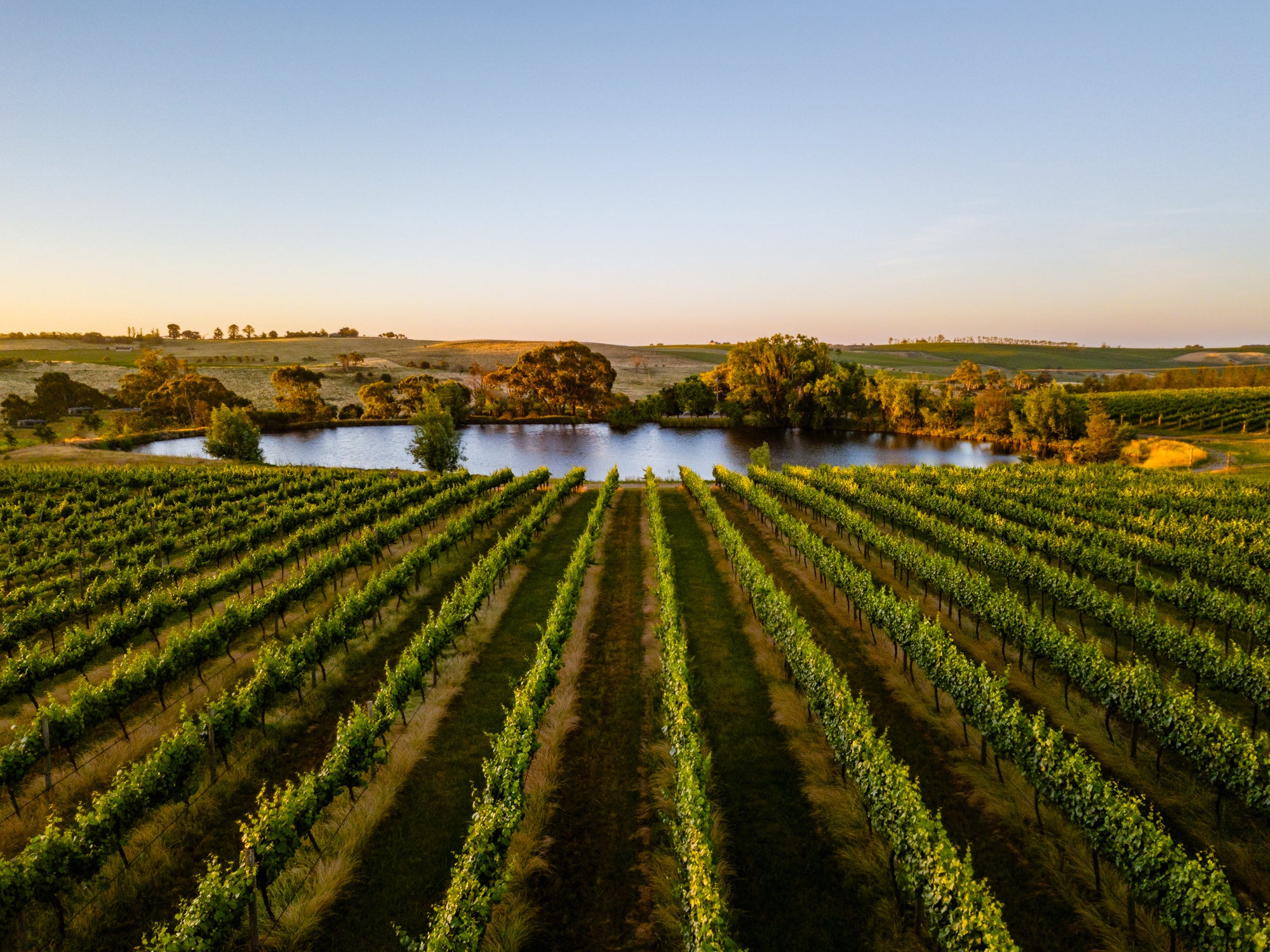
Single-vineyard origin is especially meaningful when the site has a strong identity. At high altitude in Orange, warm days are tempered by cooler nights, allowing grapes to ripen gradually while holding onto freshness. The result can be aromatic whites with crisp citrus and floral lift, and reds with bright fruit, fine tannins and savoury complexity.
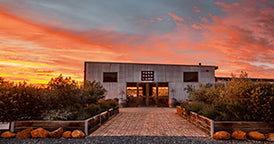
Nashdale Lane’s vineyard sits at approximately 850 to 900 metres above sea level on nutrient-rich basalt soils. Established in 2001, it is planted with Chardonnay, Pinot Noir, Pinot Gris, Riesling, Sauvignon Blanc, Arneis, Shiraz and Tempranillo. Owners Nick and Tanya Segger selected the site for its cool climate, elevation and soils after spending years working in and exploring wine regions around the world. Today, they remain closely involved in the vineyard, winery and onsite cellar door.
Small production also matters, though scarcity alone is not the point. A limited release earns its place when the fruit has been handled with particular care and the final wine says something distinctive about that season. Vintage variation is part of the pleasure. One year may bring more generosity and dark fruit, another more perfume, line and mineral detail.
A wine does not become collectable merely because it has been matured in expensive oak or released in small numbers. Its fruit, acidity, tannin and oak need to feel proportionate. It should be enjoyable enough to understand when young, but have the structure and complexity to reveal something new with time.
Start your flagship wine collection with a purpose
Before choosing individual bottles, decide how the wines will live in your home. A collection built only for long-term ageing can become a row of wines you are reluctant to open. One built entirely for immediate drinking can leave you without a special bottle when the right moment arrives.
For most households, the best approach is a considered mix: wines for the next year or two, wines that will develop over three to five years and a smaller number held for longer. The exact balance depends on how often you entertain, the size of your storage space and whether you enjoy the evolution of mature wine.
If you are beginning, buy in multiples rather than single bottles where possible. Two bottles let you enjoy one now and retain one for later. Six bottles offer a more revealing view of a wine’s development, particularly for a structured Chardonnay, Pinot Noir, Tempranillo or Shiraz. You do not need to open them to a strict timetable. The value is in having the option.
One practical approach is to divide your collection into three groups:
Open soon: expressive wines intended for dinners and gatherings over the next 12 to 24 months.
Watch and revisit: bottles with the balance to develop over roughly three to five years.
Hold patiently: structured flagship releases intended for longer-term cellaring.
The exact drinking window will vary between wines and vintages, so ask the producer before placing a bottle into the final group.
Choose styles that suit your table
The most satisfying cellar is personal. If your regular table leans towards grilled fish, roast chicken, spring vegetables and Asian-inspired dishes, build confidently around Riesling, Pinot Gris, Arneis, Sauvignon Blanc Fumé and Chardonnay. These varieties can offer immediate pleasure, while particularly well-structured examples may gain texture and complexity with time.
For red wine drinkers, Pinot Noir brings fragrance, bright red and black fruit and fine structure that works beautifully with duck, mushrooms and lamb. Tempranillo often provides savoury depth and a food-friendly shape, while cool-climate Shiraz can combine peppery lift with dark berry fruit and polished tannin.
Rosé belongs in a thoughtful collection too. Its place is not simply the back of the fridge for one hot afternoon. A more complex, textural example can sit confidently at the table when charcuterie, salmon, grilled meats or a relaxed summer lunch calls.
A collection does not need every variety. Choose the styles you reach for, then add one or two bottles that stretch your usual preferences. That might mean a mineral Riesling for someone who usually drinks richer whites, an elegant Pinot Noir for a devoted Shiraz drinker, or a barrel-aged rosé for someone who thinks of the variety only as a simple summer drink.
What makes Legacy by Nashdale Lane different?
The Legacy collection is Nashdale Lane’s premium reserve range. The wines are handcrafted from hand-picked, block-selected fruit and follow an old-world, patient approach to winemaking. They are made only when the vineyard and vintage combine to produce fruit of an exceptional standard.
That selective approach matters. Wine remains an agricultural product, and not every season produces the same conditions. A flagship range that responds honestly to vintage is more meaningful than one made automatically to satisfy a release schedule.
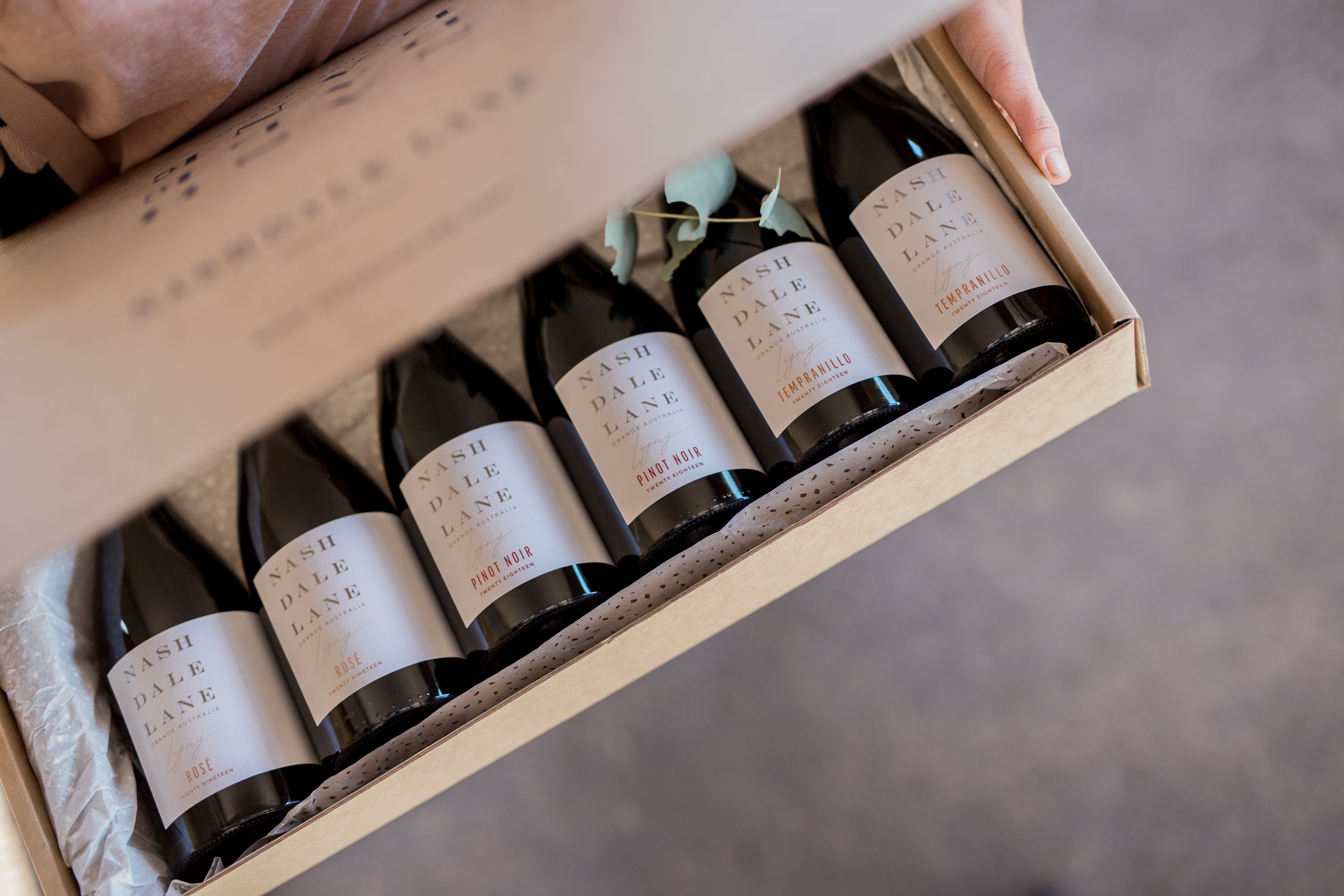
The Legacy range currently extends across Chardonnay, Pinot Noir, Tempranillo, Shiraz and Rosé. Each shows a different side of the Nashdale Lane vineyard:
Legacy Chardonnay represents the fuller, richer side of cool-climate Chardonnay, shaped through time, patience and traditional winemaking.
Legacy Pinot Noir combines dark cherry, spice and fine earthy tannin with carefully integrated French oak.
Legacy Tempranillo moves towards dark plum, cherry, liquorice, spice and toasted oak, supported by a richer tannin structure.
Legacy Shiraz shows the composed side of high-altitude Shiraz, with berry fruit, spice, white pepper and a smooth, savoury frame.
Legacy Rosé challenges the idea that rosé must always be light and simple, using Shiraz pressings and seasoned French oak to create a richer, more textural wine.
Together, the wines give collectors a way to explore how different varieties interpret the same high-altitude vineyard.
How to select a premium flagship release
When comparing premium wines, look past the label language and consider the signals of care behind the bottle. Vineyard provenance, fruit selection, winemaking restraint and cellaring potential are more useful measures than a broad claim of luxury.
For whites, seek clarity of fruit and shape through the palate. A fine flagship Chardonnay may show citrus, stone fruit, subtle oak and a creamy texture, yet still finish with freshness. A cellar-worthy Riesling should have fragrance and brightness now, with acidity that suggests it will broaden into toast, spice and lime-like complexity over time.
For reds, tannin is a useful guide. Fine tannin feels silky or powdery rather than drying and coarse. It gives the wine frame without taking over. Good oak should sit within the wine, adding spice, cedar or gentle toast without masking the fruit. If a young red is tightly wound but balanced, with fruit, acidity and tannin in proportion, it is often a strong candidate for the cellar.
When tasting a possible cellar wine, consider:
Does the fruit remain clear beneath the oak and tannin?
Is the acidity refreshing or simply sharp?
Does the flavour continue after the wine has left your mouth?
Does each element feel integrated, or does one dominate?
Is the wine enjoyable now while still suggesting room to develop?
Has the producer provided a realistic cellaring recommendation?
A guided cellar-door tasting is valuable here because it allows you to compare current-release and reserve wines side by side. You can taste how additional fruit selection, fermentation choices, barrel maturation and bottle age affect the finished wine.
Explore the differences between Legacy releases
The 2018 Legacy Pinot Noir offers a useful example of how site, season and winemaking come together. Fruit from three Pinot Noir clones was hand-picked from the high-altitude vineyard, fermented in custom French oak puncheons and matured in French oak for 15 months. The resulting wine combines dark cherry and spice with fine earthy tannins and savoury oak.
The 2019 Legacy Pinot Noir provides an opportunity to compare another season from the same vineyard. Its dark cherry, alpine strawberry, spice and fine tannins show how vintage can alter the expression of a variety without removing the underlying connection to place.
For those drawn to darker and more savoury wines, the 2019 Legacy Tempranillo was hand-selected and picked before being fermented with whole berries and matured in a combination of new and older French oak puncheons. Its dark plum, liquorice and charred-oak character makes it suited to rich stews, roasted vegetables and grilled or smoked meats.
The Legacy Rosé offers a different kind of flagship experience. Made from the richer pressings of Shiraz fruit, the wine was fermented and aged in seasoned French oak, creating greater texture and depth than a conventional early-drinking rosé. It is an example of a premium wine earning its position through a distinctive idea and careful execution, rather than simply through greater weight.
Use food to guide your collection
A cellar becomes more useful when each bottle has a likely place at the table. Instead of collecting by reputation alone, think about the meals you regularly cook and the occasions you host.
A flagship Chardonnay can suit roast chicken, lobster, creamy pasta or fish served with butter-based sauces. Pinot Noir works naturally with duck, pork, mushrooms, lamb and crispy-skinned salmon. Tempranillo is well suited to charred meat, hearty stews, roasted vegetables and dishes carrying paprika or smoke. Cool-climate Shiraz can meet slow-cooked lamb, grilled beef and savoury barbecue flavours without losing freshness.
The richer Legacy Rosé can hold its own beside salmon, lamb salad, grilled pork, aged cheese and dishes with deeper umami flavours. That versatility makes it useful for a collection because it occupies the space between a light white and a structured red.
For more practical combinations, Nashdale Lane’s guide to wine and food pairing examples explains how acidity, texture, tannin and cooking method can influence the final match.
Store wine so it can deliver on its promise
Even a beautifully made flagship wine needs steady conditions. Heat is the main enemy. Aim for a cool, dark place with as little temperature fluctuation as possible. A dedicated wine fridge is ideal for a growing collection, especially in warmer homes or apartments. If that is not practical, a sheltered internal cupboard away from windows, appliances and direct sunlight is a sound starting point.
Keep cork-sealed bottles on their side so the cork remains moist. Screw-capped wines can be stored either way, although horizontal storage makes the collection easier to organise. Try to avoid moving bottles unnecessarily, particularly older reds that may throw sediment.
Do not wait for a perfect cellar before buying good wine. Buy sensibly, store it as well as your home allows and enjoy it at the right pace. A modest collection kept carefully is more rewarding than an ambitious one forgotten in a warm cupboard.
It is also worth keeping a basic record. Note the producer, variety, vintage, purchase date, approximate drinking window and where the bottle is stored. A phone note or small spreadsheet is enough. The purpose is not to turn wine into administration, but to avoid losing a bottle at the back of the cupboard until long after its best.
Serving makes a difference
Flagship wines are often served too warm, especially reds. Pinot Noir is usually more expressive slightly below room temperature, while a structured Shiraz benefits from a short rest in a cool room before pouring. White wines should be chilled, not numbed. Excessive cold suppresses aroma and texture, which are precisely what distinguish a premium release.
Give young reds some air. This can be as simple as opening the bottle 30 minutes before dinner or pouring it into a decanter if it feels firm and closed. With mature wines, take a gentler approach. Stand the bottle upright beforehand if possible, pour carefully and let the wine reveal itself in the glass.
Good glassware helps, but it does not need to be overly specialised. A generously shaped glass gives both Chardonnay and red wines room to open. Clean glasses without detergent odours are more important than owning a separate shape for every variety.
Most importantly, give the wine time. A flagship bottle may appear restrained when first poured, then develop fruit, spice, earth, floral notes and texture over the course of a meal. That gradual change is one of the reasons to open it with people who will stay at the table.
Build a collection you will actually open
The temptation with flagship wine is to save every bottle for an undefined future. A better approach is to create occasions worth marking now. Open one when friends bring a fine meal to the table, when family gathers from interstate or when a quiet weekend calls for something more considered than usual.
Keep a simple note on what you open: the vintage, the food, who was there and how the wine tasted. Over time, those notes become more useful than any generic drinking window. They show you which varieties suit your palate, how your storage performs and which bottles deserve another place in your cellar.
If you find yourself returning to the same wines, the Nashdale Lane Wine Club provides another way to build a collection around personal preferences. Its different membership tiers include curated orders and opportunities to remain connected with new releases, tastings and vineyard experiences.
A flagship collection should feel like an invitation, not a museum. Choose wines with provenance, keep them with care and let each bottle earn its place at the table. The value of a collection is not simply what it might become in ten years. It lies in having the right wine ready when a meal, milestone or quiet evening deserves it.
Explore Legacy by Nashdale Lane, learn more about the Nashdale Lane vineyard and story, or book a cellar-door tasting to compare the wines where they were grown.
Also in Nashdale Lane Blogs & News

Chardonnay versus Sauvignon Blanc - Which to Pour?

Best Wines for Wedding Gifts Worth Keeping