

 Best Sellers
 White Wine
 Rosé
Rosé
 Red Wine
 Bundles
 Shop All


Orange Pinot Gris: A Fresh Take on Skin Contact

A Pinot Gris can look almost copper, smell of pear skins and citrus peel, and carry a gentle tannin that makes you reach for another bite of food. That is the appeal of Orange Pinot Gris: a wine that sits beautifully between the familiar freshness of a white and the savoury, textural pull of a red.
It is also a style that can be misunderstood. Orange Pinot Gris does not necessarily come from Orange, NSW, and it is not flavoured with oranges. The name refers to an orange wine made from Pinot Gris grapes, where juice spends time in contact with the grape skins during fermentation. For wine drinkers who enjoy a little more detail in the glass, it is a style worth knowing.
What makes Orange Pinot Gris orange?
Most white wines are made by pressing grapes soon after harvest, separating the clear juice from skins and seeds before fermentation. Orange wine takes a different route. White grape juice is fermented with its skins, much like red wine, allowing colour, aroma compounds and tannin to move into the wine.
Pinot Gris is especially well suited to this treatment because its skins are not always grey at all. Depending on ripeness and site, they can show shades of pink, dusky purple and copper. Even a short period on skins can give the finished wine a burnished straw or rose-gold hue. Longer skin contact may deepen the colour towards amber.
The result is not simply a more colourful Pinot Gris. It is a different expression of the variety. Rather than leading with soft pear and apple fruit alone, it can show citrus pith, quince, dried herbs, ginger, tea leaf and a faint savoury note. On the palate, there is often a fine grip - not the heavy tannin of a big Shiraz, but a subtle chalky or phenolic texture that gives the wine shape.
Orange Pinot Gris and Pinot Grigio are not the same
Pinot Gris and Pinot Grigio are two names for the same grape, but they generally signal different winemaking intentions. Pinot Grigio is commonly light-bodied, crisp and direct, with bright apple, lemon and pear characters. Pinot Gris often has more body and perfume, particularly in cooler climates where flavour can develop while natural acidity remains lively.
Orange Pinot Gris takes that fuller, more textural side even further. Skin contact gives it structure and complexity, but the exact style depends on decisions in the winery. A winemaker may leave the juice on skins for a day or two for gentle colour and lift, or for weeks or months for a more assertive, savoury wine.
Neither approach is automatically better. A delicate version can be wonderfully refreshing and easy to pour with lunch. A longer-macerated example may reward a slow dinner and an adventurous table. The best wines hold their texture in balance with clean fruit and freshness, rather than relying on tannin or funk for effect.
Why cool-climate fruit matters
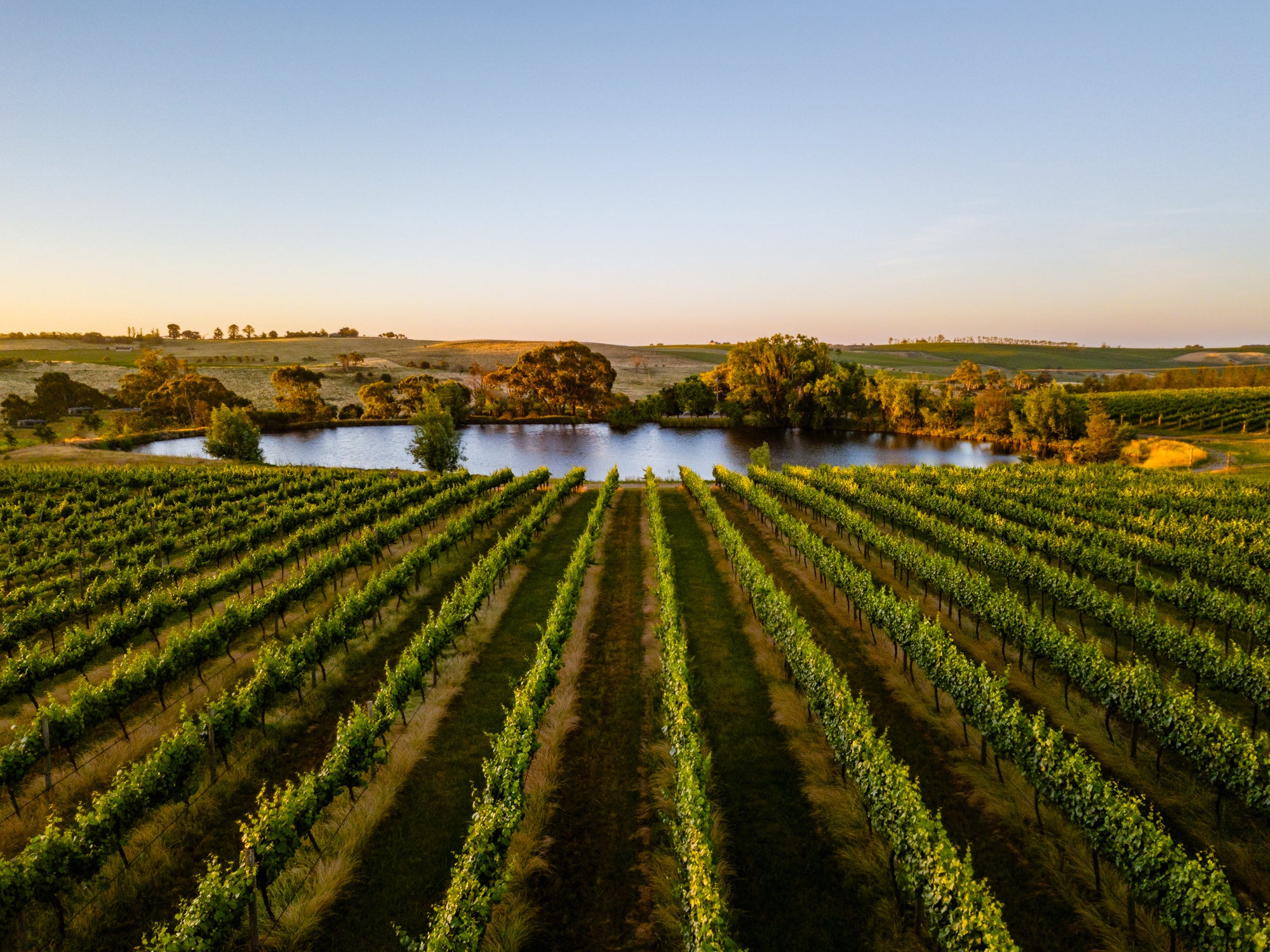
Great skin-contact wines begin with fruit that has natural energy. In a cool-climate region such as Orange, NSW, elevation and cool evenings help grapes retain acidity as they ripen. That matters for Pinot Gris, where ripe orchard-fruit flavours can stay defined rather than becoming broad or sugary.
For an orange wine, acidity keeps the palate bright while the skins add their savoury detail. It is the tension between those elements that makes the style compelling: juicy pear and apple skin, grapefruit-like bitterness, spice, and a line of freshness carrying it all through.
Vineyard care is equally important. Because the skins play such a visible role in the final wine, healthy, carefully grown fruit is essential. The winemaker is not trying to hide behind heavy oak or sweetness. Every decision, from harvest timing to fermentation vessel and time on skins, is clearly felt in the glass.
That is why single-vineyard wines can be especially interesting in this category. They reveal how a particular site shapes the variety. One vineyard may bring floral lift and citrus tension; another may show richer pear, spice and a broader palate. Vintage also leaves its mark, often more openly than it does in heavily worked styles.
What does it taste like?
There is no single flavour profile, though a well-made Orange Pinot Gris often has enough familiarity to win over people who usually reach for aromatic whites. Expect pear, apple, stone fruit or mandarin at the fruitier end, with added notes of citrus peel, ginger, chamomile, dried flowers, almond and tea.
Texture is the point of difference. The wine may feel lightly creamy from lees contact, but it is more likely to finish with a dry, fine-boned grip. Some examples have a hint of bitterness, similar to grapefruit pith or an amaro aperitif. In balance, that bitterness is refreshing and makes the wine exceptionally good with food.
If you have only tried conventional Pinot Gris, start with a lightly skin-contact example. It will show the variety’s familiar fruit while introducing the bronze colour and gentle tannin that define the style. More deeply coloured wines can be fascinating, but they are not always the easiest first step.
Serving Orange Pinot Gris well
Orange wine is often served too cold. Straight from a very cold fridge, the aromas close up and the textural detail can seem hard or muted. Aim for roughly 10 to 12°C, a little warmer than a crisp Sauvignon Blanc but cooler than a light red.
A regular white wine glass will do, though a larger bowl gives the aromas room to open. If the wine is particularly structured, treat it a little like a pale red: pour it 10 minutes before serving and let it settle into the glass. You may notice more floral perfume, spice and fruit with a little air.
Most Orange Pinot Gris is best enjoyed young, when its fruit and freshness are at their brightest. However, a concentrated, carefully made bottle can develop appealing nutty, savoury characters over a few years. The producer’s guidance matters here, as skin-contact time, acidity and winemaking all influence how the wine will age.
The food pairings that make it shine
This is where Orange Pinot Gris earns its place at the table. Its acidity works with fresh flavours, while its tannin gives it enough presence for richer dishes that might overwhelm a standard white wine.
Try it with roast chicken seasoned with fennel and lemon, grilled king prawns with chilli, pork belly with apple, or mushroom risotto finished with parmesan. It is also a natural fit for Middle Eastern dishes with spice and herbs, such as lamb koftas, roasted cauliflower, tahini and preserved lemon.
Cheese boards are another strong match. Choose nutty, washed-rind or semi-hard cheeses rather than very sharp blue cheese. The wine’s savoury edge also handles charcuterie, olives and salty snacks with ease, making it a smart bottle for a long afternoon with friends.
There is one practical rule: avoid treating it as a sweet wine simply because of its colour. Most examples are dry. Pairing it with overly sweet sauces or desserts can make the wine taste bitter and lean. Keep the food savoury, lightly spiced or gently rich, and let the texture do the work.
Choosing a bottle with confidence
The label will not always say orange wine. Look for terms such as skin-contact, skin-fermented, amber wine or macerated Pinot Gris. The colour offers a clue, but it does not tell the whole story. A pale copper wine may have had only brief skin contact, while a deeper amber version may be more structured and savoury.
If you are buying for a crowd, consider who will be drinking it. For guests who love Pinot Grigio, Riesling or dry rosé, a fresh, lightly textured Orange Pinot Gris is likely to be an easy introduction. For more curious wine drinkers, a serious small-batch bottle can become the talking point of the evening.
At a tasting, ask how long the wine spent on skins and whether it saw oak. Those two details offer a useful guide to what is in the glass. Short skin contact and neutral vessels generally point to a brighter, fruit-led style; extended maceration or barrel maturation can bring more grip, spice and depth.
The pleasure of Orange Pinot Gris is that it asks you to slow down just enough to notice the details. Pour it with a generous meal, serve it slightly less chilled than usual, and let its colour, perfume and quiet savoury grip carry the conversation.
Also in Nashdale Lane Blogs & News

Best Wines for Corporate Gifts That Feel Considered

10 Best Anniversary Getaways in NSW for Couples