

 Best Sellers
 White Wine
 Rosé
Rosé
 Red Wine
 Bundles
 Shop All


Riesling versus Pinot Gris: Which Suits You?

A chilled bottle on the table can make a simple meal feel like an occasion, but choosing between two pale, aromatic whites is not always straightforward. Riesling versus Pinot Gris is less a contest than a choice of mood: one brings lifted citrus, florals and driving acidity; the other offers pear, apple skin and a softer, more textural palate.
Both varieties thrive in cool climates and earn a place at the table year-round. Yet their personalities are distinctly their own. Knowing where those differences come from makes it far easier to choose a wine for a long lunch, a spicy takeaway, a special dinner or a few quiet glasses on the deck.
Riesling versus Pinot Gris: the essential difference
Riesling is prized for fragrance and purity. In a dry Australian style, expect lime, lemon, grapefruit, green apple, white flowers and, with time in bottle, hints of toast, honey and beeswax. Its defining feature is usually acidity: bright, fine and persistent, giving the wine a refreshing line from first sip to finish.
Pinot Gris is generally broader and more immediately plush. It often shows nashi pear, ripe apple, quince, citrus peel, ginger and subtle spice. The acidity can still be fresh, particularly from a high-altitude site, but it tends to feel rounder than Riesling. A well-made Pinot Gris can have a gentle grip and a pleasing weight through the middle of the palate.
Put simply, choose Riesling when you want a wine with lift, tension and crispness. Reach for Pinot Gris when you want generous fruit, a silkier texture and a little more fullness. Neither is inherently better. The best choice depends on the style of wine, the vintage, what is on the plate and whether you are after refreshment or richness.
The grape and the vineyard matter
Riesling has a remarkable ability to express its site. In warmer conditions it can become more tropical and soft, while cooler vineyards preserve citrus flavour, floral detail and lively natural acidity. This is why high-altitude, cool-climate regions are so well suited to the variety. Slow ripening allows flavour to develop without losing the freshness that makes Riesling so compelling.
Pinot Gris also benefits from a measured growing season. The variety can accumulate sugar quickly, so careful vineyard management and picking decisions are crucial. Picked at the right moment, it balances ripe pear and apple fruit with bright acidity. Picked too late, it can become overly broad; picked too early, it may feel lean and simple.
Skin colour is another point of difference. Despite its name, Pinot Gris is not a green-skinned grape. Its berries can carry a grey-pink hue, and winemakers may choose either minimal skin contact for a bright, pale wine or a short time on skins for added colour, spice and texture. Riesling is usually made with very limited skin contact, protecting its delicate aromatics and clean citrus profile.
Aroma, texture and sweetness are not the same thing
A common misconception is that Riesling is always sweet. Some of the world’s most celebrated Rieslings do contain residual sugar, but many Australian examples are completely dry. Even a dry Riesling can smell of ripe fruit and blossom, which can make it seem sweeter than it is. Its brisk acidity often keeps the palate precise and dry-looking.
Pinot Gris is also most often made dry, although its riper pear and stone-fruit character may give an impression of sweetness. In reality, a good Pinot Gris is defined more by texture than sugar. It can feel creamy or rounded without being sweet at all.
This is where labels and tasting notes are useful, but your own palate matters most. If you enjoy a bone-dry white with a clean, mouth-watering finish, Riesling is a natural fit. If you prefer a dry white that feels a touch softer and more generous, Pinot Gris may be your better match.
Winemaking choices shape the result, too. Riesling is commonly fermented in stainless steel to retain its purity and aromatic precision. Pinot Gris is often made the same way, though some producers use lees contact - resting the wine on spent yeast cells - to build texture and savoury complexity. Oak is usually subtle or absent in both styles, because heavy barrel influence can hide the freshness that makes these wines distinctive.
A quick guide to the glass
Colour offers a small clue, though it is not a guarantee of style. Riesling is typically very pale with green or straw tones. Pinot Gris may appear slightly deeper, from pale straw to a soft copper tint when there has been skin contact. Aromatically, Riesling tends towards lime, citrus blossom and jasmine; Pinot Gris more often leans to pear, apple skins and ginger spice.
On the palate, Riesling usually finishes with a firm, electric freshness. Pinot Gris tends to spread more broadly across the tongue, with a supple texture and a faint savoury edge. Those contrasts are more useful than broad rules about sweetness.
What to serve with each wine
Riesling’s acidity makes it a brilliant food wine. It cuts through richness, refreshes the palate and handles heat particularly well. A dry style is excellent with Sydney rock oysters, grilled prawns, fresh fish tacos, salt and pepper squid or a goat’s cheese tart. For dishes with chilli, a Riesling with a touch of residual sugar can be especially effective, tempering spice without becoming cloying.
Pinot Gris is wonderfully versatile where texture is needed. Try it with roast chicken, pork cutlets, creamy mushroom pasta, grilled haloumi, miso-glazed salmon or a spring vegetable risotto. Its pear and apple notes also work beautifully with lightly spiced dishes and cheeses that are creamy rather than intensely sharp.
For a grazing table, let the food lead. Riesling is at home beside salty snacks, citrusy dressings, sashimi and fresh chèvre. Pinot Gris has the edge with charcuterie, roasted nuts, pâté, grilled vegetables and washed-rind cheese. If the menu moves from nibbling into a richer main course, Pinot Gris often carries the transition with ease.
Serving and cellaring differences
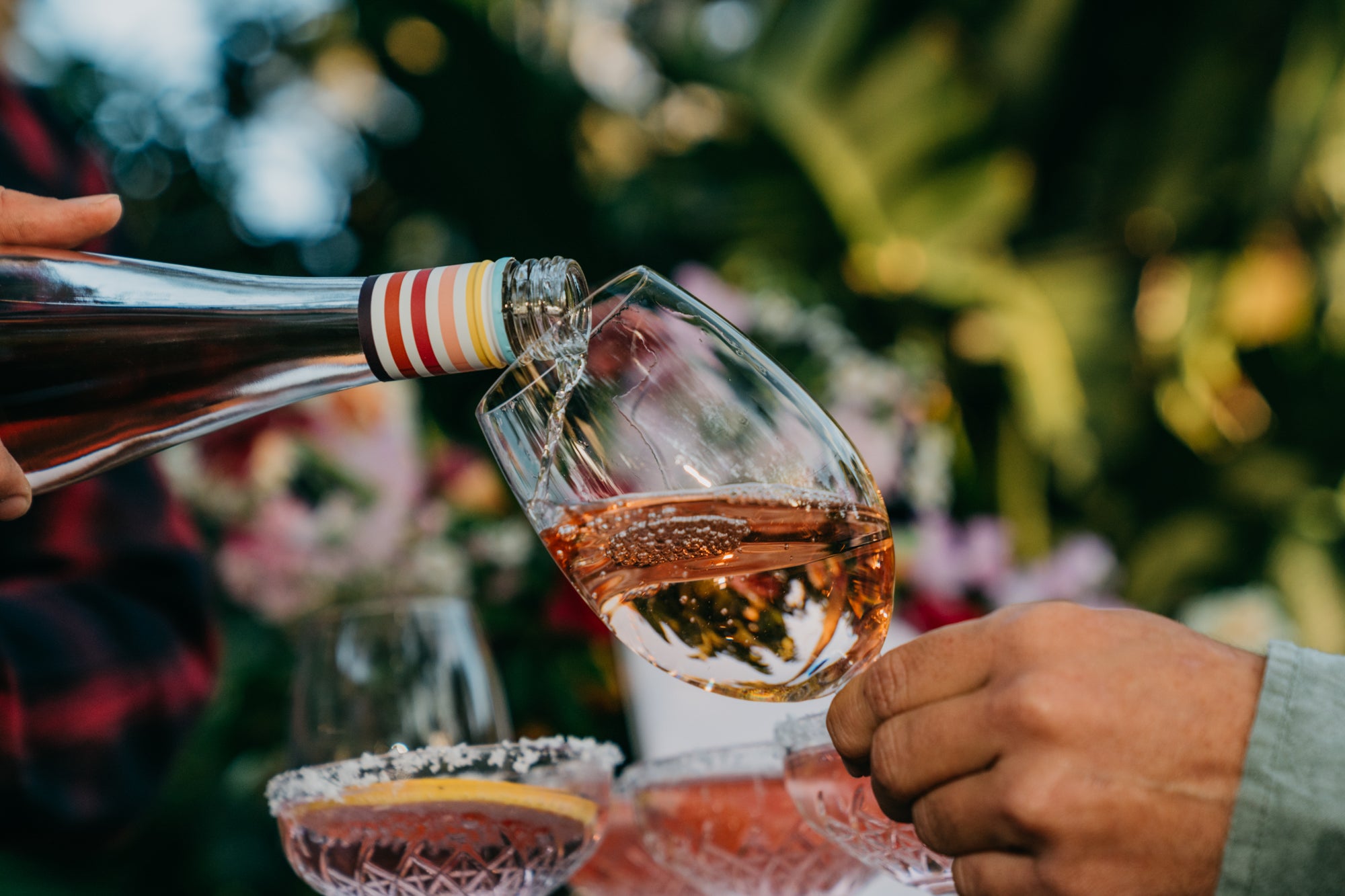
Serve both wines chilled, but not ice-cold. Riesling shows best around 8-10°C, when its citrus and floral aromas are clear but the acidity remains lively. Pinot Gris is often more expressive at 9-11°C, allowing its texture and pear-like fruit to open in the glass. If a bottle has just come from the fridge, five to ten minutes on the table can make a noticeable difference.
Most Pinot Gris is made for enjoyment in its youth, when fruit and freshness are at their best. Premium examples can develop for several years, gaining honeyed and savoury notes, but they are generally chosen for their early appeal.
Riesling has greater potential to surprise in the cellar. High acidity acts as a natural preservative, and a carefully made dry Riesling can evolve beautifully over five, 10 or even more years. The primary lime and floral notes may shift towards toast, spice, honey and preserved lemon while retaining a fine line of freshness. If you are building a small collection, Riesling is an especially rewarding white to set aside.
Which should you buy?
Choose Riesling for seafood, Asian-inspired dishes, warm afternoons and anyone who enjoys a bright, dry finish. It is also a thoughtful gift for a wine lover who values regional expression and cellar potential.
Choose Pinot Gris for entertaining, roast poultry, richer vegetarian dishes and drinkers who want a fresh white with more palate weight. It is often the crowd-pleasing choice when guests have different levels of wine confidence, because it is aromatic, balanced and approachable without being simple.
At Nashdale Lane, the cool elevation of Orange gives white varieties the long ripening window they need to hold acidity and build flavour. That balance is the point: wine that feels considered and refined, while still being a pleasure to pour at the table.
The most rewarding way to settle the question is to open one of each with food. Notice what happens after the first sip, then after the third: the wine that keeps drawing you back is the right bottle for the moment.
Also in Nashdale Lane Blogs & News

10 Best Anniversary Getaways in NSW for Couples

Wine Delivery Comparison for Better Bottles