

 Best Sellers
 White Wine
 Rosé
Rosé
 Red Wine
 Bundles
 Shop All


Single Varietal Versus Blends for Your Table

A bottle labelled with one grape offers a clear starting point. Yet the choice between single varietal versus blends is not a question of one being better than the other. It is about what you would like the wine to say: a focused story of one variety and place, or a more layered, carefully composed expression.
For wine lovers choosing a bottle for dinner, a gift or the cellar, understanding the distinction makes the shelf far less daunting. It also makes tasting more rewarding. You begin to recognise whether the brightness in the glass comes from a cool-climate Riesling, or whether a winemaker has brought several complementary components together for shape, fragrance and length.
What is a single-varietal wine?
A single-varietal wine is made predominantly from one grape variety. In Australia, a wine labelled by variety must generally contain at least 85 per cent of that grape. The small remaining portion, if any, may support the final wine without changing its essential character.
This style gives the grape a clear voice. A cool-climate Chardonnay might show citrus, white peach and fine acidity, with measured oak adding texture rather than taking over. A Pinot Noir can highlight cherry, wild strawberry, savoury spice and silky tannin. Riesling may be all lime, grapefruit and jasmine, with the tension that makes it especially good at the table.
Single-varietal wines are not necessarily simple. In fact, they often reveal more as they open. Vineyard altitude, soil, aspect, clone, season and harvest date all leave their mark. A carefully made wine from one variety can be remarkably detailed, particularly when it comes from a single vineyard where the fruit has been grown with a specific site in mind.
Why place is so visible in one-variety wines
When the grape variety stays constant, vintage and vineyard differences are easier to spot. The same Pinot Noir can feel more fragrant and delicate in a mild season, then darker and more structured after a warmer year. That variation is part of the pleasure, not a flaw.
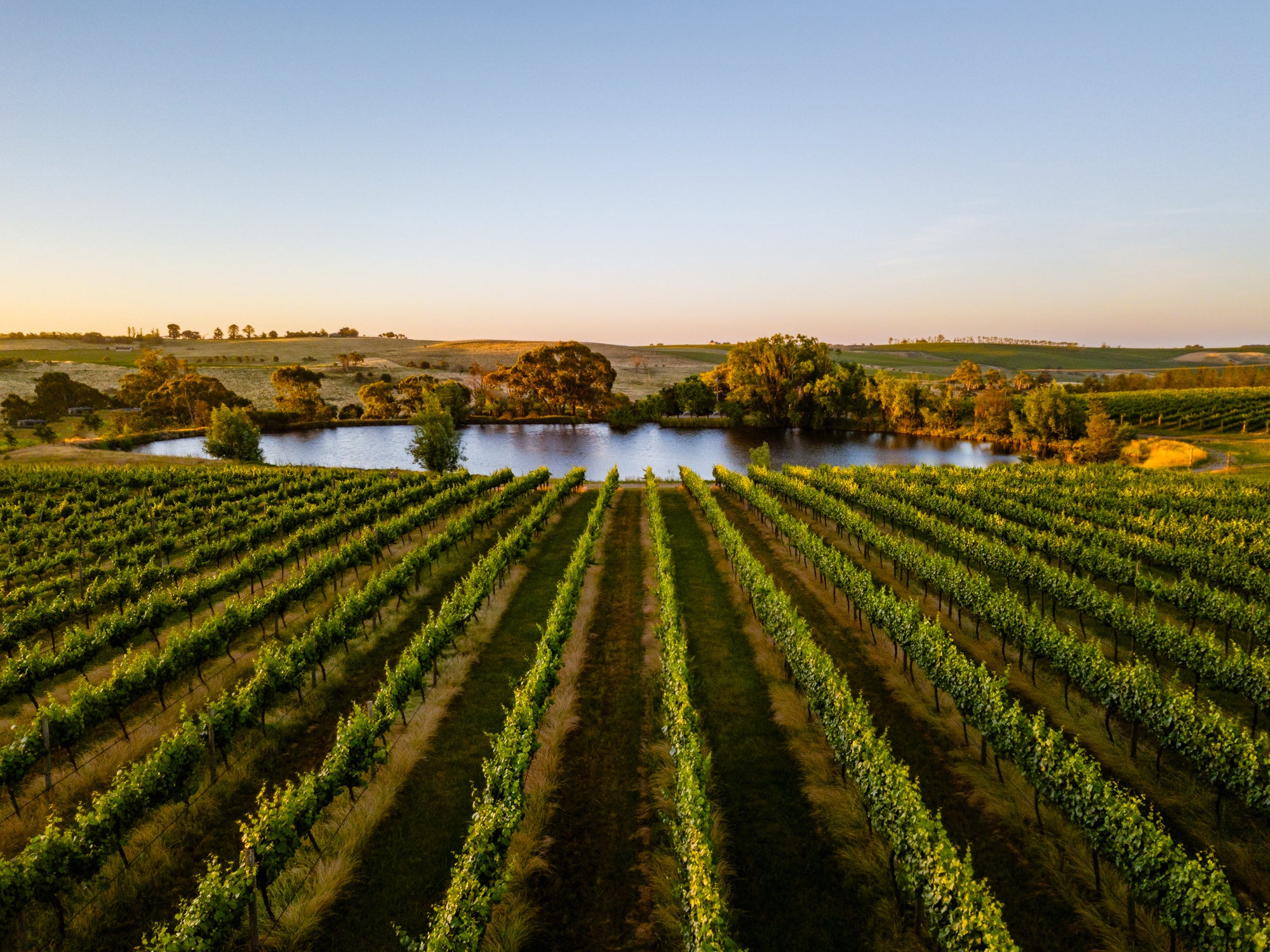
Orange's high-altitude vineyards are particularly suited to this conversation. Cooler nights help retain natural acidity and aromatic detail, allowing varieties such as Riesling, Pinot Gris, Chardonnay and Pinot Noir to carry freshness alongside flavour. In a single-varietal wine, those regional cues are often front and centre.
What makes a blend different?
A blend combines two or more grape varieties, or occasionally distinct parcels of the same variety, with each element chosen for the role it plays. One component might bring perfume, another colour and depth, while another contributes tannin, acidity or a softer mid-palate.
Blending is not a way to disguise lesser fruit. At its best, it is a precise winemaking decision that asks how individual lots can become more complete together. Think of a chef balancing acidity, richness and seasoning in a finished dish. Each ingredient matters, but the final result should taste harmonious rather than pieced together.
Classic examples include Cabernet Sauvignon and Merlot, where Cabernet can provide structure and cassis-like fruit while Merlot rounds the palate. Shiraz blends can gain lift from a fragrant partner or additional backbone from a firmer variety. White blends may pair bright acidity with generous fruit texture, creating an easy, food-friendly wine.
A blend can also bring consistency. Because a winemaker works with several components, they have more options to shape the house style across changing seasons. That does not mean every vintage tastes identical. It means the finished wine can retain a recognisable balance while still reflecting the year.
Single varietal versus blends: which is more expressive?
Both can be expressive, but they express different things.
A single-varietal wine is often the best choice when you want to understand a grape or explore the character of a vineyard. It can be wonderfully transparent. Pour a Riesling beside a Pinot Gris, for example, and the contrast in perfume, weight and acidity is immediate. These wines suit curious drinkers, collectors interested in vintage variation, and dinners where one well-chosen bottle can match a particular dish.
A blend tends to emphasise composition. Rather than spotlighting one variety, it can offer a broader range of aromas and a more sculpted palate. This makes blends appealing for entertaining, especially when the menu is varied and you want a wine with enough generosity and balance to please different palates.
Neither approach automatically signals a higher quality tier. Exceptional wine begins in the vineyard, with healthy, well-managed vines and fruit picked at the right moment. From there, the winemaker decides whether the best expression is a pure varietal statement or a blend of complementary parcels.
Choosing a bottle for the occasion
Start with the food, the mood and the people around the table. A crisp single-varietal Riesling is a natural partner for oysters, prawns, Thai dishes and fresh goat's cheese because its acidity refreshes the palate. Pinot Gris, with pear, apple skin and a little more roundness, works beautifully with roast chicken, pork or dishes with a gentle creaminess.
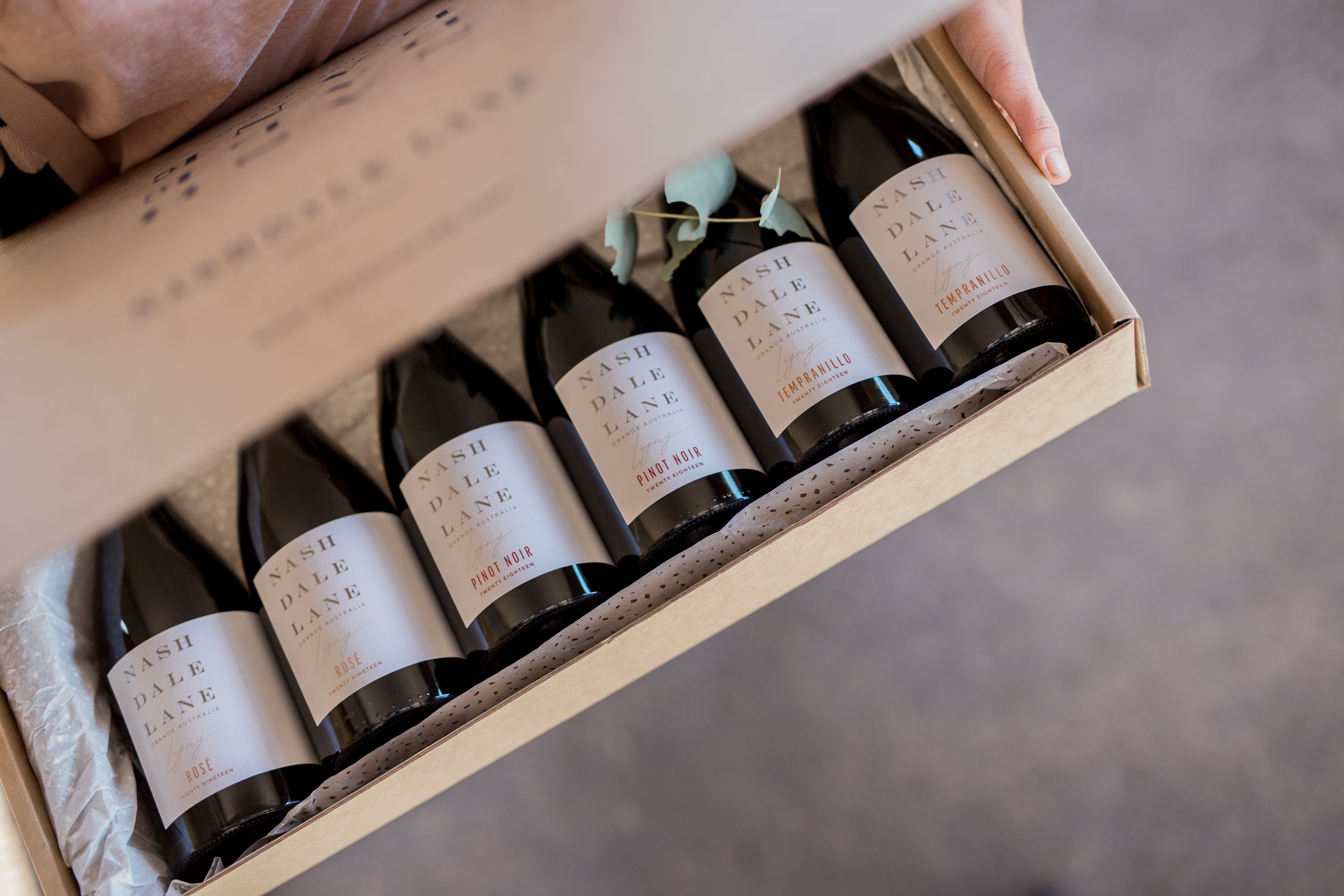
For reds, a single-varietal Pinot Noir is a graceful choice for duck, mushroom dishes or salmon. Its bright red fruit and fine structure do not overwhelm more delicate flavours. Tempranillo can bring darker fruit, savoury spice and firmer tannin to chargrilled lamb or tapas-style sharing plates, while Shiraz has the depth for slow-cooked beef and cooler evenings.
When the meal is less defined - a long lunch, a barbecue with several dishes, or friends arriving with their own snacks - a blend can be a sensible choice. Its layered profile often gives it the flexibility to travel across the table. That said, a varietal wine with balanced acidity and moderate oak can be every bit as versatile.
For gifting, consider the recipient's drinking habits. A friend who always reaches for Pinot Noir will appreciate a beautifully made single-varietal bottle with a clear sense of origin. Someone who enjoys fuller, polished reds may value the generous complexity of a considered blend. The story on the label matters, but so does choosing a wine they will genuinely look forward to opening.
The role of oak, texture and time
The varietal or blend is only one part of the picture. Oak can add cedar, spice, toast or creamy texture, but the best use of it supports the fruit rather than covering it. New and older barrels, larger and smaller formats, and time in oak all influence the final style.
Texture is equally significant. Some wines are made to be bright and immediate, ideal for a Friday night meal. Others have concentration, acidity and tannin that reward time in the cellar. A flagship, small-production wine may be made from the best fruit and given extra time and patience, whether it is a single-varietal release or a blend.
Do not assume that a blend is always richer or that a single-varietal wine is always lighter. A barrel-aged Chardonnay can be deeply textured, while a well-made red blend may be supple and refreshing. Ask what style you enjoy: fragrant or bold, crisp or creamy, youthful or cellar-worthy. The answer will narrow the field faster than the label category alone.
Taste with curiosity, not rules
The most useful way to settle the single-varietal versus blends question is to taste with purpose. At a cellar door, try two wines side by side and notice the aromas first, then the shape of the palate. Is one more direct and varietally recognisable? Does the other feel broader, softer or more layered through the finish?
At Nashdale Lane Wines, tasting through cool-climate varieties is an invitation to see how carefully grown fruit translates into the glass. There is no need for elaborate tasting language. If you notice grapefruit, pear, bright berries, spice or a savoury edge, you are already paying attention to the details that matter.
Choose a single-varietal wine when you want a vivid expression of grape and vineyard. Choose a blend when you are drawn to harmony and complexity. Then keep a bottle or two of each on hand - the best choice is often the one that suits the meal, the moment and the company waiting at your table.
Also in Nashdale Lane Blogs & News

10 Best Anniversary Getaways in NSW for Couples

Wine Delivery Comparison for Better Bottles