

 Best Sellers
 White Wine
 Rosé
Rosé
 Red Wine
 Bundles
 Shop All

What Makes Flagship Wines Worth Cellaring?

A flagship wine should feel like the clearest, most considered expression of a vineyard in a particular season. It is not simply a bottle with a higher price tag or a heavier label. The best flagship wines earn their place through exceptional fruit, small-parcel attention and the time required to let character emerge without rushing it.
For collectors, generous hosts and anyone choosing a memorable gift, these wines offer more than occasion. They bring a sense of provenance to the table: where the fruit was grown, how the season shaped it and why the winemaker chose to make less rather than compromise.
A flagship begins in the vineyard
Premium wine is often decided well before harvest. A flagship parcel generally comes from vines, blocks or rows that have shown something extra in that vintage: intensity without excess weight, fine natural acidity, concentration of flavour or particularly graceful tannin.
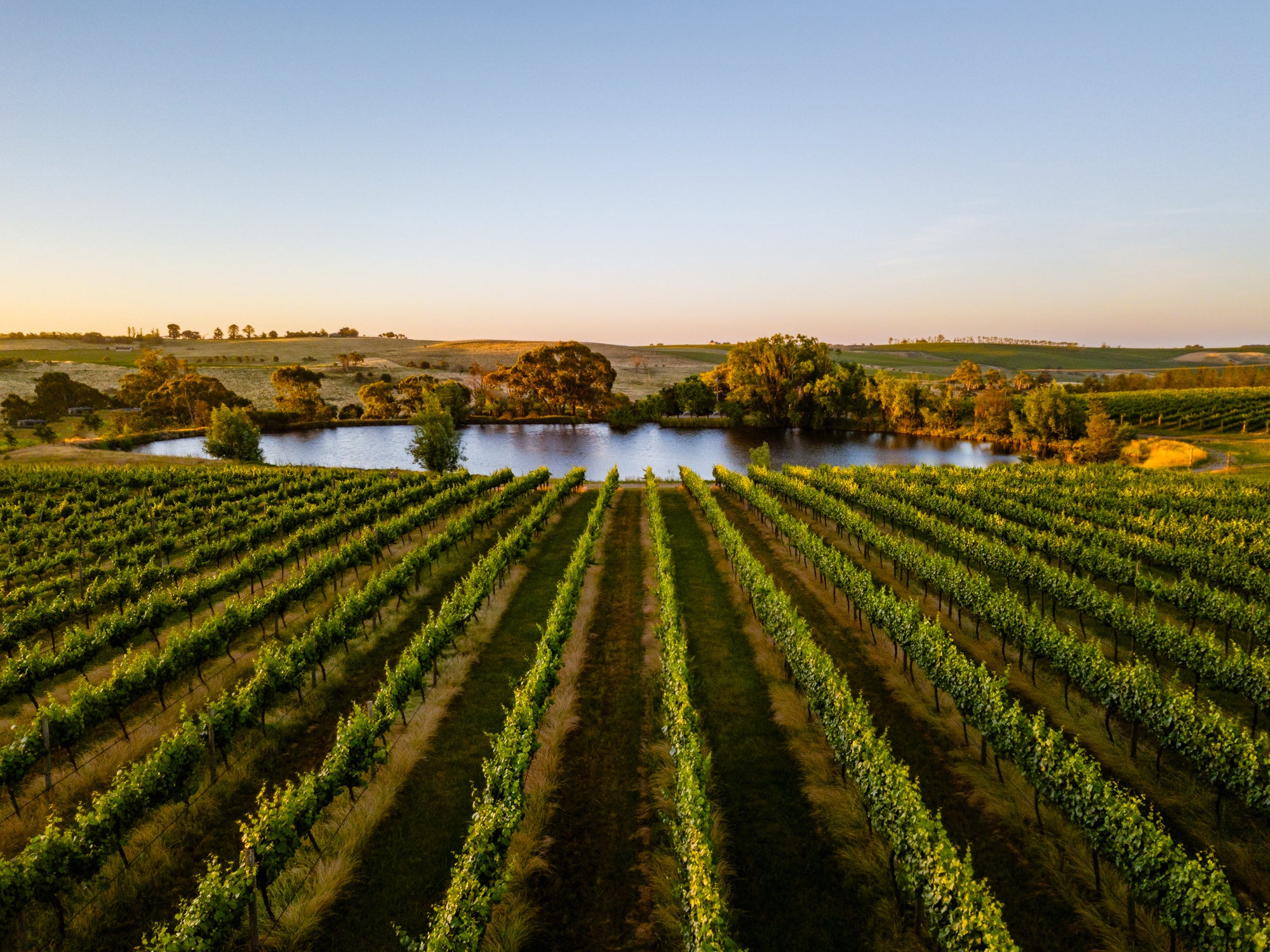
In a high-altitude cool-climate region such as Orange, slower ripening is a vital part of that equation. Warm days develop flavour, while cooler evenings help grapes retain freshness and line. That balance can give a Riesling its precise citrus and floral lift, Chardonnay its controlled power, or Pinot Noir its bright red fruit and savoury detail.
The word “flagship” should not suggest that every other wine is secondary. A well-made everyday bottle has its own purpose: it should be generous, reliable and ready to enjoy. Flagship wines are different because they are made when a particular parcel offers the potential for greater depth and a longer future in bottle.
Why small production matters
Small production is not a guarantee of quality, but it makes careful choices possible. When a winemaker is working with a limited volume of standout fruit, each stage can be assessed with patience: picking dates, whole-bunch inclusion for some reds, fermentation pace, barrel selection and the length of maturation.
For white wines, the aim may be clarity and texture rather than overt oak. Fine French oak can frame grapefruit, stone fruit or apple-skin characters, adding a subtle creamy note while allowing the vineyard to remain in view. With reds, time in barrel can soften tannins and build spice, earth and cedar-like complexity, but too much new oak can cover the fruit that made the parcel special in the first place.
This is where restraint matters. Flagship winemaking is not about applying every possible technique. It is about knowing which decisions let the fruit speak most clearly. Some vintages will call for a little more richness; others will shine because their tension and perfume have been protected.
Flagship wines are shaped by vintage
Wine lovers often talk about consistency, and rightly so. You want confidence that a favourite producer will make wines with balance and care year after year. Yet the most compelling flagship wines also retain the signature of their vintage.
A cooler season might produce a Pinot Noir with cranberry, cherry and dried-herb notes, fine tannins and a delicate frame. A warmer but even season may bring darker berry fruit and more generous texture. Neither is automatically better. The question is whether the wine has harmony, freshness and enough structure to carry its flavours.
This is one reason flagship wines are rewarding to revisit. A bottle opened young may show primary fruit and firm edges. Two or five years later, those same elements can become more integrated, with savoury complexity and a softer, longer finish. For those who enjoy collecting, vintage variation is part of the pleasure rather than a problem to be corrected.
How to choose flagship wines for your cellar
Start with the occasions you want your cellar to serve. If you enjoy crisp whites with seafood, a high-quality Riesling or structured Chardonnay can be a beautiful choice. If your table often includes duck, lamb, mushroom dishes or chargrilled vegetables, Pinot Noir, Tempranillo and Shiraz offer different paths into depth and age-worthiness.
Then consider the style you naturally reach for. A flagship wine should be exciting, not an obligation. If you love aromatic wines with drive, look for bright acidity, citrus, jasmine and mineral notes. If you favour fuller styles, seek concentrated fruit balanced by freshness and well-judged oak, rather than simple ripeness.
Before buying several bottles, ask a few practical questions:
- Is the wine from a single vineyard or a clearly defined parcel?
- Does the producer explain the vintage, variety and winemaking approach plainly?
- Is there enough acidity, tannin or concentration for the time you plan to cellar it?
- Will you enjoy a bottle now as well as later, should patience run short?
Cellaring without making it complicated
A cellar does not need to be a grand room lined with timber racks. What matters most is a dark, stable environment away from heat, direct light and dramatic temperature swings. A dedicated wine fridge is ideal for serious collecting, but a consistently cool cupboard may suit shorter-term storage.
Store cork-sealed bottles on their side to help keep the cork from drying out. Keep detailed notes if you are putting away more than a few bottles: the vintage, purchase date, suggested drinking window and the meal or occasion you had in mind. It is surprisingly easy to lose track of a special bottle until it is past its best.
As a broad guide, finely structured Riesling can evolve beautifully for many years, while Chardonnay and Pinot Noir often gain complexity over three to eight years depending on the vintage and style. Tempranillo and Shiraz can reward longer patience when they have the concentration and tannin to support it. These are guides, not rules. Open one bottle along the way and let your own taste decide the rest.
Serving a wine at its best
A premium bottle deserves a little preparation, though not ceremony for its own sake. Chill whites thoroughly, then allow fuller styles such as Chardonnay to warm slightly in the glass. Serve reds below a hot room temperature, particularly in an Australian summer. Around 15 to 18°C is often a more flattering range than a warm dining room.
Young flagship reds may benefit from a gentle decant to open their aromas and soften their first impression. Older bottles need a quieter approach. Stand them upright for a day before opening if possible, pour carefully to leave sediment behind, and avoid prolonged exposure to air if the wine is already mature.
Most importantly, give the wine time in the glass. The first sip is only the beginning. Notice whether pear becomes almond, whether bright cherry moves towards forest floor, or whether a citrus-driven palate broadens into toast and spice. These small changes are where a thoughtfully made wine earns its reputation.
A bottle with a place behind it
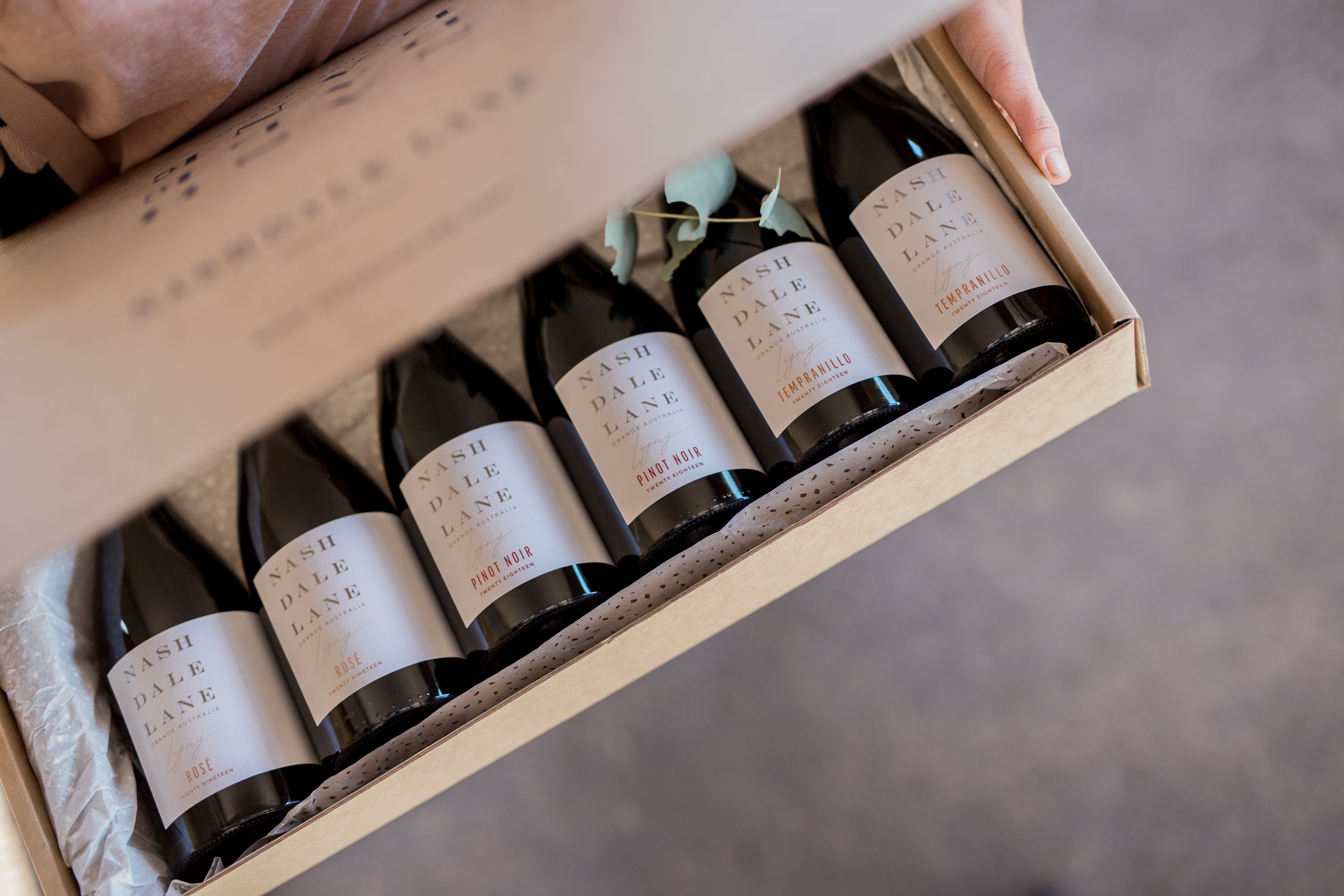
At Nashdale Lane, the Legacy collection is reserved for wines made from the best fruit with time and patience at their centre. That approach reflects a simple belief: a flagship should carry the detail of its vineyard and the confidence to evolve, while still being a pleasure to share now.
Choose a bottle that suits your table, your taste and the moment you want to mark. Then put one aside too. The most satisfying cellar is not built from labels alone, but from future evenings waiting to be opened.
Also in Nashdale Lane Blogs & News

10 Best Anniversary Getaways in NSW for Couples

Wine Delivery Comparison for Better Bottles