
 Best Sellers
 White Wine
 Rosé
Rosé
 Red Wine
 Bundles
 Shop All
Wine Tasting With Vineyard Views in Orange

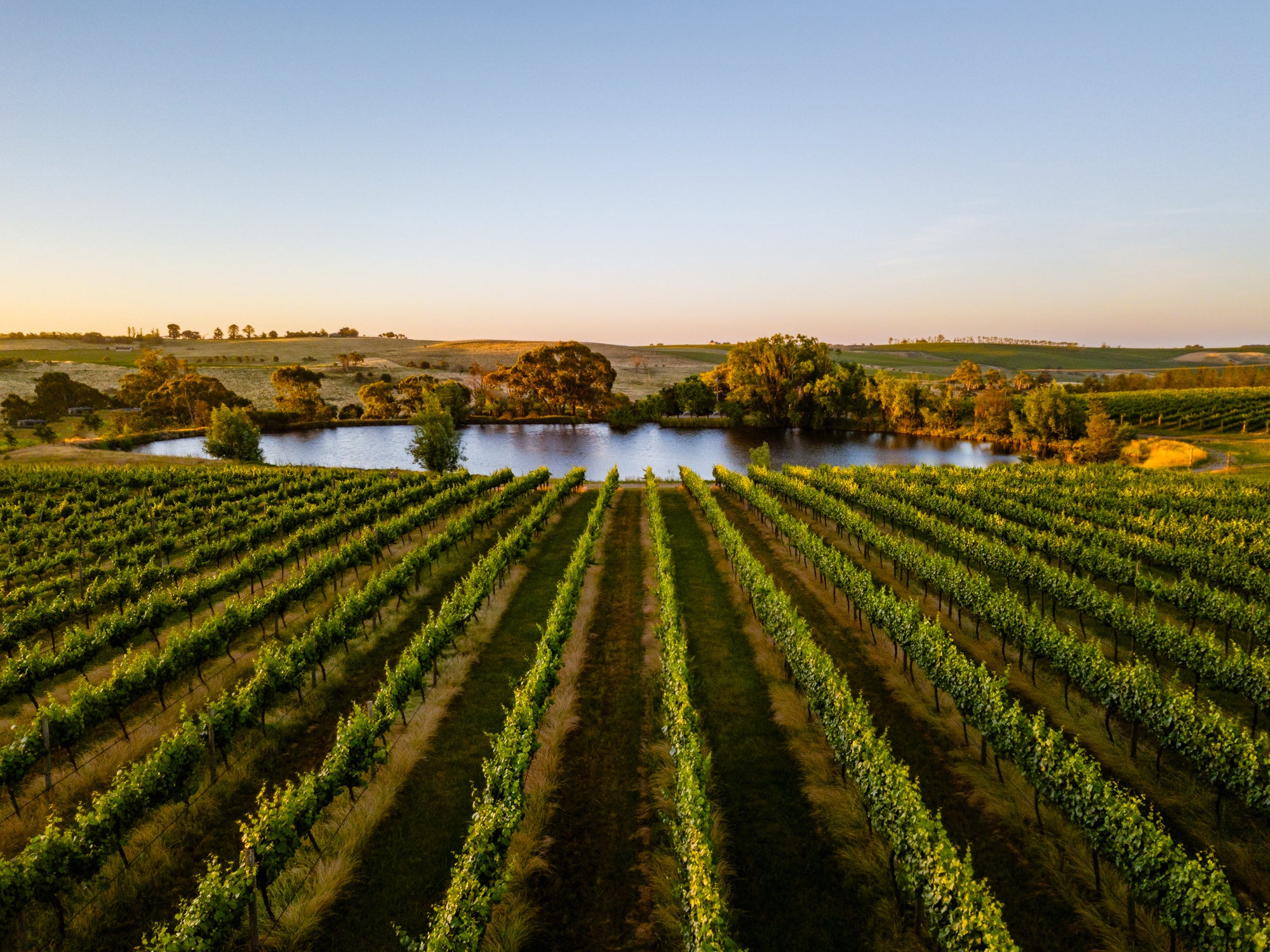
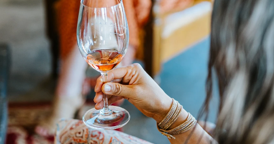
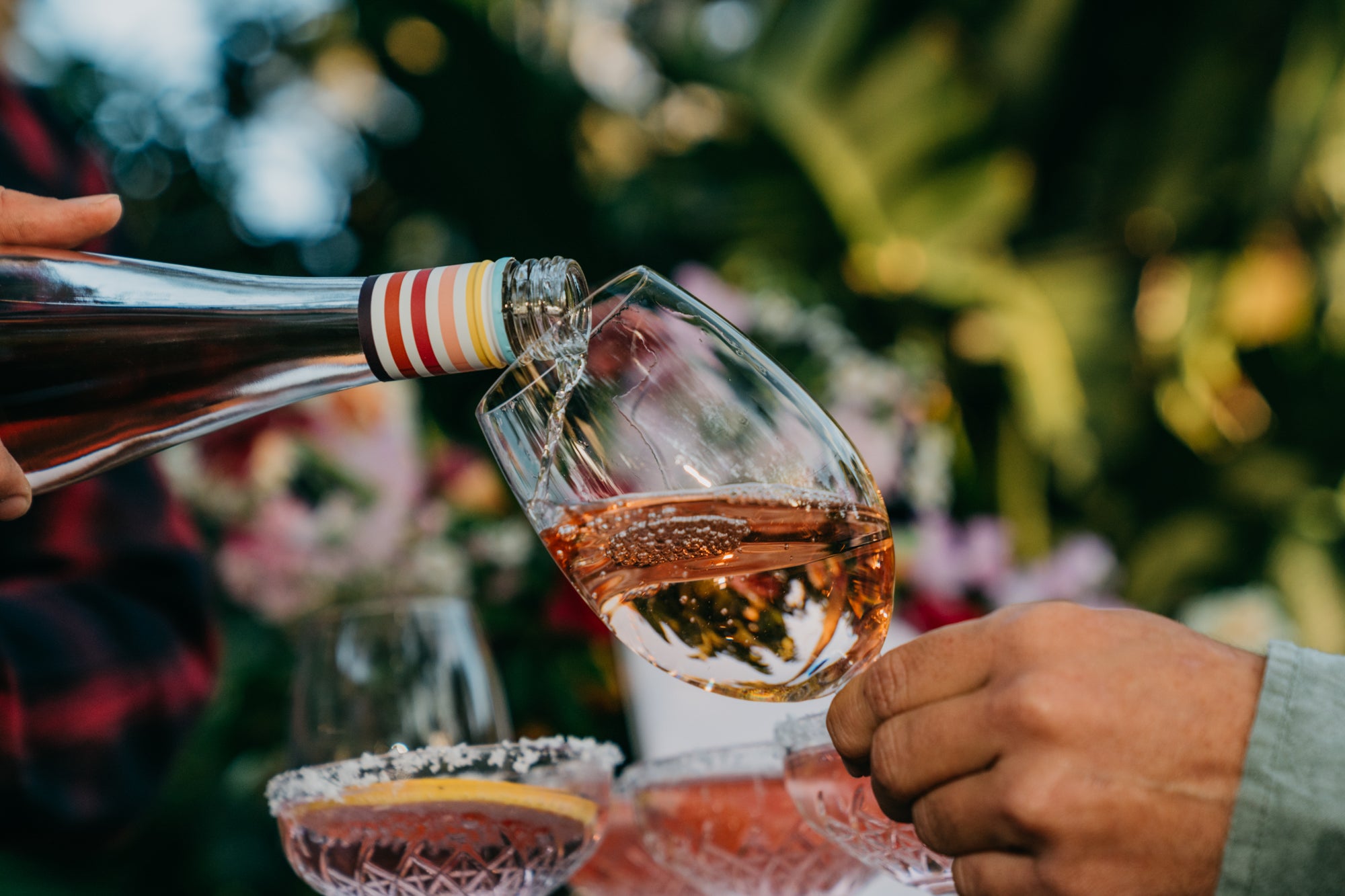
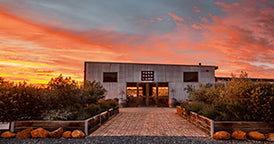
A glass of Riesling catches the late-afternoon light differently when you can see the vines that grew it. Wine tasting with vineyard views brings the story in the bottle into clear focus: cool air moving across the rows, the changing colour of the season, and a landscape shaped by careful work over many years.
In Orange, altitude is more than a talking point. It gives the region its measured pace and its distinctive wine character. Crisp whites retain their natural brightness, reds develop perfume and line, and a cellar-door tasting becomes an occasion to slow down rather than rush through a flight.
Why vineyard views change a wine tasting
A good tasting does not need a complicated script. It needs wines with something to say, a comfortable place to sit, and enough time to notice the differences between one pour and the next. Looking across a vineyard gives each wine a physical context. You are not simply hearing that a Pinot Noir is light on its feet or that Chardonnay carries fine acidity - you are tasting a response to a particular site.
That is especially true in a high-altitude, cool-climate region. Diurnal shifts, with warm days followed by cooler nights, help grapes ripen gradually. This is one reason Orange wines can show lively acidity alongside generous fruit. In the glass, that might mean pear and apple skin in Pinot Gris, grapefruit and jasmine in Riesling, or bright red and black fruit in Pinot Noir.
The view also sets a more relaxed rhythm. Rather than treating a tasting as a checklist of varieties, guests can take a moment with each wine. That pause often reveals more: the savoury note beneath the fruit, the gentle influence of oak, or the way a wine changes as it warms slightly in the glass.
Choosing the right time for a tasting
There is no single best season for a wine tasting with vineyard views. It depends on the kind of day you would like to have and the wines you are most drawn to.
Spring brings fresh green growth and a sense of anticipation in the vineyard. It suits visitors who enjoy clear air, longer lunches and aromatic whites. Summer has a lively, open feel, with leafy canopies framing the rows and rosé, Sauvignon Blanc Fumé or chilled Pinot Gris particularly welcome after a warm drive.
Autumn is often the most dramatic time to visit wine country. The vines turn gold, amber and russet, and the harvest period lends an unmistakable energy to the region. It is a fine season for travellers who want to see the vineyard at its busiest, although cellar doors can be popular and booking ahead is wise.
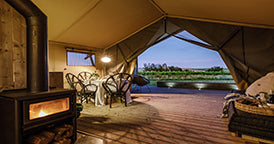
Winter offers a quieter kind of beauty. Bare vines show the structure of the site, fireside reds come into their own, and the countryside has a stillness that suits an unhurried tasting. If your ideal getaway includes a glass of Shiraz or Tempranillo after a crisp walk, winter has considerable appeal.
For couples travelling from Sydney, Newcastle or the coast, a midweek visit can offer a little more room to settle in. Weekends bring their own convivial atmosphere, especially for groups and special occasions. Neither is better - it simply comes down to whether you prefer bustle or quiet.
Taste with the vineyard, not against it
The most rewarding tastings balance curiosity with comfort. You do not need to know every technical term, but a few thoughtful questions can make the experience richer. Ask which blocks contributed fruit to the wine, whether the season was warm or cool, and how the winemaker used oak or time on lees. These details connect flavour to decisions made in the vineyard and winery.
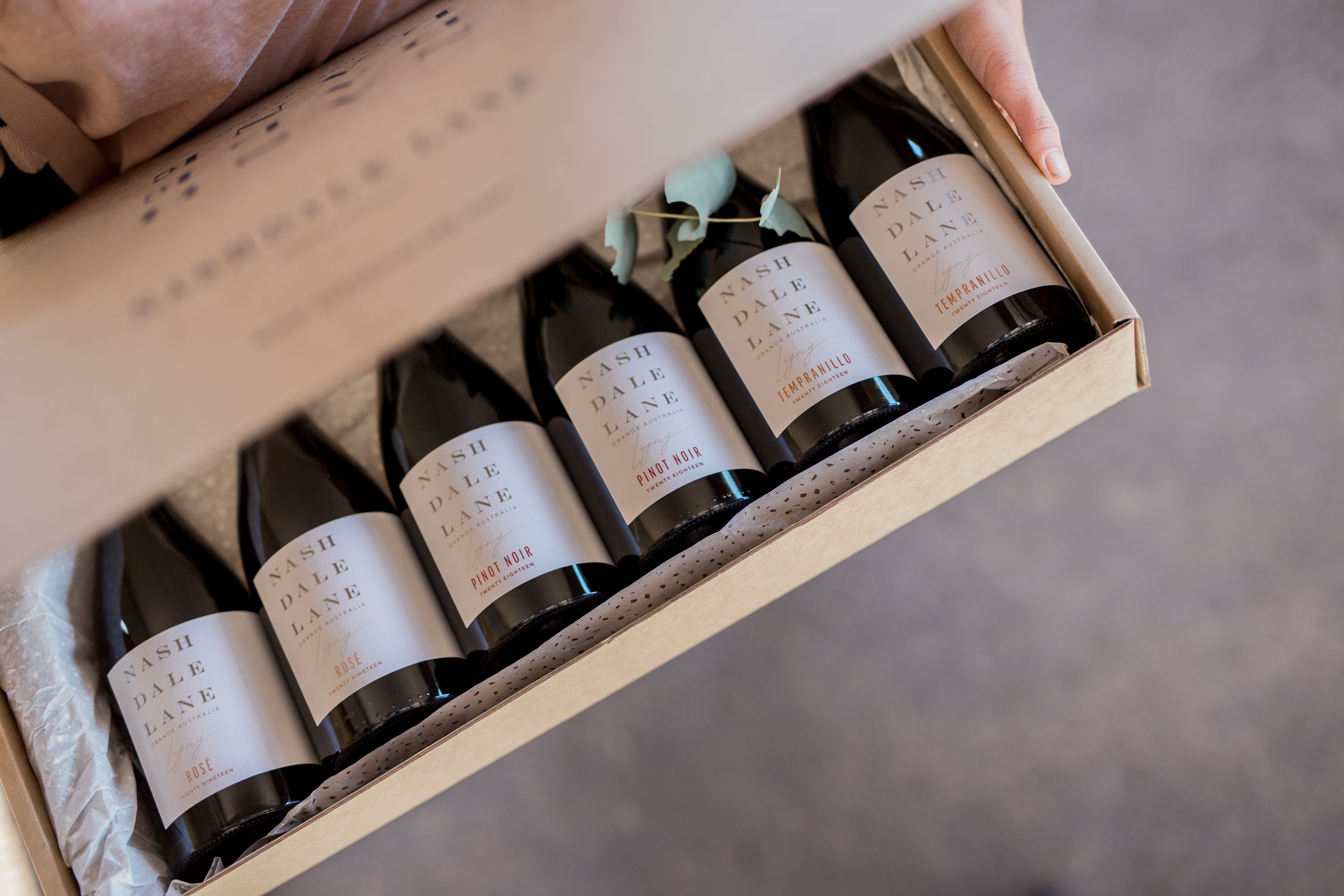
Start with lighter styles before moving to fuller wines. A bright Riesling or Arneis can sharpen the palate, followed by textured Pinot Gris, Sauvignon Blanc Fumé or Chardonnay. Rosé is a natural bridge between white and red, while Pinot Noir generally comes before the deeper spice and weight of Tempranillo or Shiraz.
There is room to follow your own preference, of course. If you know you love Chardonnay, compare it carefully rather than racing onwards. Notice whether the fruit reads as citrus, stone fruit or apple, and whether the oak feels like a supporting frame or a more pronounced flavour. A wine made with time and patience should be given time in return.
Let the weather guide your choices
On a sunny afternoon, fresh whites and rosé can feel perfectly matched to the view. Their acidity and fruit clarity make them easy to enjoy outdoors, particularly with a light bite to eat. As the temperature falls, medium-bodied reds often become more compelling. Pinot Noir can show perfume and fine tannin, while Tempranillo offers savoury depth without necessarily feeling heavy.
For a longer tasting or a special celebration, include a flagship wine. Small-production wines made from the best fruit often show a little more concentration, detail and length. They are worth revisiting at the end of the tasting, after the glass has had a few minutes to open.
Make the occasion feel considered
A vineyard tasting is at its best when it feels generous rather than over-programmed. Allow enough time to arrive without rushing, especially if you are travelling through country roads. Book ahead where possible, let the team know about dietary requirements or accessibility needs, and appoint a designated driver before the first pour.
Dress for the conditions rather than the photograph. Orange can be bright and warm in the sun, then noticeably cool once shade arrives. A layer, sensible shoes and sunglasses go a long way if you plan to spend time outdoors. If rain passes through, it need not diminish the experience. Vineyards have their own atmosphere under low cloud, and the contrast can make a warm tasting room feel even more inviting.
For groups, keep the focus on the wine and the setting. A smaller gathering often allows better conversation and more attention from the cellar-door team. Larger celebrations can be wonderful too, but they benefit from planning: confirm numbers early and choose a tasting format that gives everyone a chance to engage.
From a memorable tasting to wines at home
The best bottle to take home is not always the most expensive one. It is the wine that makes you remember a moment: the first cool breeze across the vineyard, a shared laugh, or the flavour that surprised you. Buying direct also gives you the chance to ask about drinking windows, serving temperatures and food matches before you leave.
A dry Riesling can be a brilliant bottle for seafood or spicy dishes, while Pinot Gris is an easy companion for a relaxed lunch. Chardonnay earns its place beside roast chicken, richer fish or creamy pasta. Pinot Noir is versatile enough for duck, mushrooms and charcuterie, while Tempranillo and Shiraz suit slow-cooked meals, a well-made barbecue or a winter table set for friends.
If you are building a mixed case, include a few bottles for different moments. Choose approachable wines for midweek dinners, something bright for entertaining, and one or two cellar-worthy wines for an anniversary or future gathering. The contrast makes the collection more useful and more enjoyable.
At Nashdale Lane Wines, the vineyard is central to that experience. Family ownership, a site planted in 2001 and a focus on single-vineyard, cool-climate wines create a clear sense of place in every tasting. Whether you visit for an afternoon or stay among the vines, the goal is simple: good wine, made with care, enjoyed where its story begins.
The next time you plan a wine-country escape, leave room in the schedule for a slower pour. Find a seat with a view, taste one wine properly, and let the vineyard do some of the talking.
Also in Nashdale Lane Blogs & News

10 Best Anniversary Getaways in NSW for Couples

Wine Delivery Comparison for Better Bottles