

 Best Sellers
 White Wine
 Rosé
Rosé
 Red Wine
 Bundles
 Shop All


Buy Orange Region Buy Online With Confidence

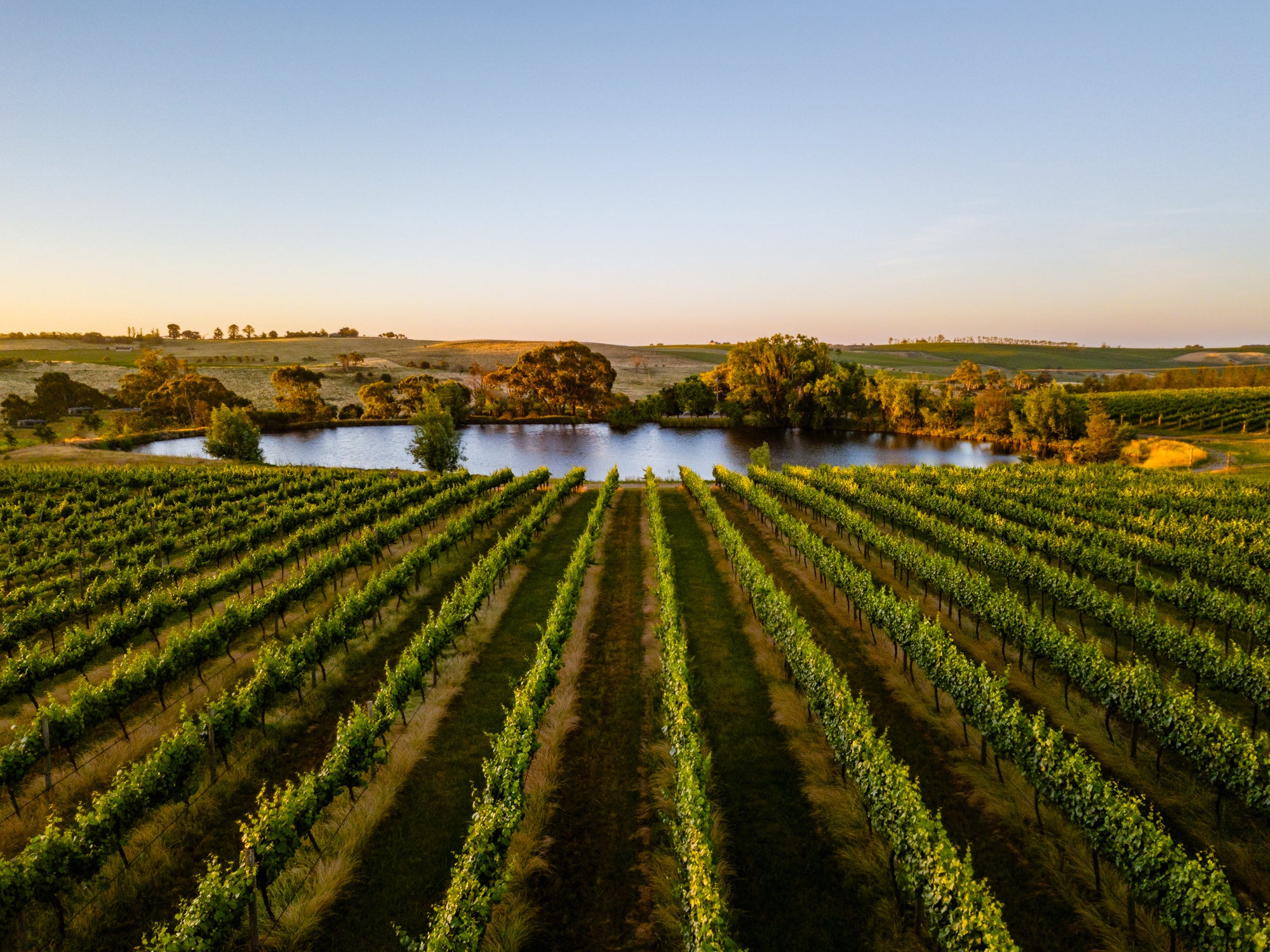
A bottle from Orange should offer more than a postcode on the label. When you buy Orange region wine online, you are choosing a place shaped by elevation, bright days, cool nights and the patient work required to bring that character into the glass. The most satisfying purchase is not necessarily the most expensive bottle. It is the one that suits the food, the occasion and the people around your table.
For wine drinkers in Sydney and beyond, buying direct from an Orange producer also offers a clearer connection to vineyard and vintage. You can select by varietal, style or occasion, then stock the cupboard with wines that feel distinctly regional rather than interchangeable.
Why Orange wines taste different
Orange is one of Australia’s highest wine regions, with vineyards commonly sitting between 600 and 1,100 metres above sea level. That altitude matters. Cool evenings help grapes retain natural acidity as they ripen, while the region’s long growing season builds flavour gradually. The result is often wine with brightness, perfume and shape - generous enough for the dinner table, yet fresh enough to invite another glass.
This climate is particularly well suited to aromatic white varieties and finely structured reds. Riesling can show lime, grapefruit and floral lift. Pinot Gris may bring pear, apple skin and a gentle savoury edge. Chardonnay has the potential for citrus and stone fruit framed by restrained oak, rather than heaviness. In the reds, Pinot Noir can be fragrant and finely textured, while Shiraz often leans towards pepper, dark berries and freshness rather than overt richness.
Of course, region is only one part of the story. Vineyard position, season, vine age and winemaking choices all influence the finished wine. A warm vintage may bring riper fruit; a cooler one can emphasise tension and delicacy. That variation is worth seeking out, not avoiding. It is part of what makes single-vineyard wine compelling.
How to buy Orange region wine online for your taste
Start with the wine style you genuinely enjoy, rather than what you think you ought to drink. If your preference is for dry, crisp whites with a clean finish, Riesling or Sauvignon Blanc Fumé are sensible places to begin. For a white with more texture, look towards Pinot Gris, Arneis or Chardonnay. Each can sit beautifully alongside food, but they offer very different experiences in the glass.
Riesling is often the choice for drinkers who enjoy citrus, fine acidity and a refreshing finish. It is a natural match for oysters, Asian-inspired dishes, fresh salads and lightly spiced food. Pinot Gris is usually more rounded, with orchard-fruit character and enough texture for roast chicken, pork or creamy pasta. Arneis brings its own appeal: think white flowers, pear and a softly savoury character that works particularly well with shared plates.
For red wine, consider both weight and tannin. Pinot Noir is generally the lighter, more perfumed option, with bright red fruit and supple structure. Tempranillo can bring savoury spice, cherries and a firmer line, making it an excellent choice for chargrilled vegetables, lamb or tapas-style dinners. Shiraz is often fuller, but cool-climate examples retain energy and spice alongside black fruit. It is a good option when the menu calls for something more substantial.
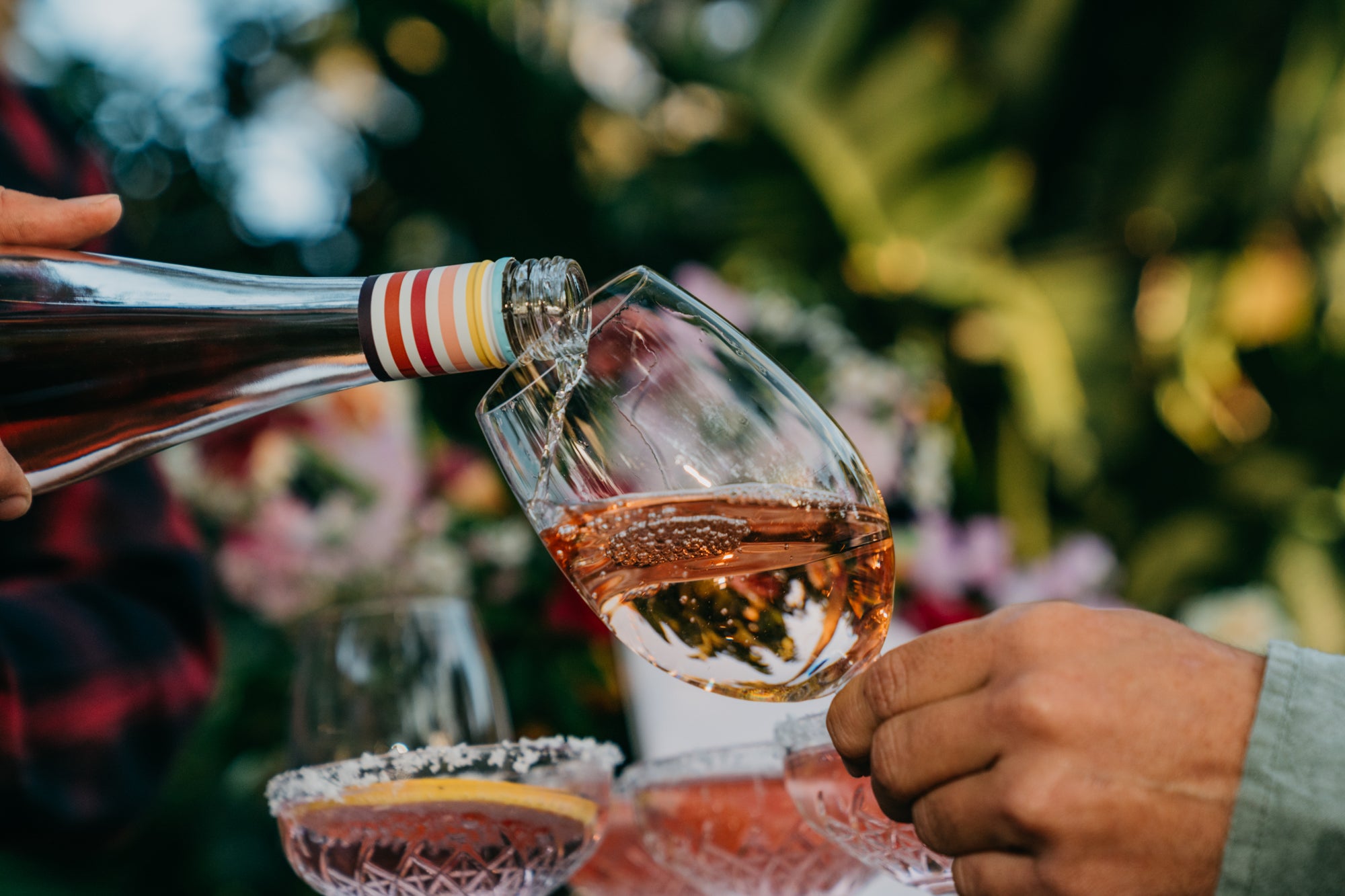
Rosé deserves a place in the order as well. A dry, bright rosé is one of the most useful wines to have chilled and ready. It belongs at a long lunch, with grilled seafood, or simply on the verandah when friends arrive earlier than expected.
Read the details, not just the label
A good online wine listing should make selection easier. Look beyond broad terms such as red, white or premium and read the tasting notes for clues about flavour, texture and structure. Citrus, jasmine and grapefruit suggest a lifted, fresh white. Pear and apple skins point towards a more textural style. Bright red fruit often signals an elegant red, while black fruit, spice and oak generally suggest more depth.
It also helps to notice whether a wine is described as dry, medium-dry or rich. Dry does not mean austere. A dry Riesling may still be intensely fruity and generous, with acidity providing the finish. Likewise, oak does not automatically mean a heavy wine. When handled with care, barrels can add gentle spice, creaminess or structure while allowing the fruit to remain in focus.
Vintage is another useful cue, especially if you are buying a few bottles to cellar. Most white wines are made to be enjoyed for their brightness and youthful fruit, though well-made Riesling and Chardonnay can develop beautifully over time. Premium Pinot Noir, Shiraz and selected flagship releases may reward patience, gaining savoury complexity and softer texture with careful cellaring. If you are buying for this weekend, choose what speaks to your menu. If you are buying for later, consider adding a few bottles with ageing potential.
Choose by occasion, then add one surprise
Online shopping is at its best when it solves a real need. For a dinner party, choose a mix rather than six bottles of the same wine: perhaps a crisp white for arrival, a textural white for the meal, and a red with enough structure for the main course. For a gift, a premium release or considered mixed selection feels more personal than a last-minute standard bottle.
Then add one wine you have not tried before. It may be Arneis for a regular Chardonnay drinker, Tempranillo for someone who usually reaches for Shiraz, or a rosé to change the rhythm of the fridge. The occasional unexpected bottle keeps a home collection interesting without making the whole order feel like a gamble.
The value of buying direct from the winery
Buying direct gives you access to the producer’s full range, including small-production and flagship wines that may not be widely available elsewhere. It also makes it easier to understand how the wines relate to one another. A winery’s range can move from everyday bottles made for easy midweek enjoyment through to limited releases crafted from the best fruit with more time and patience in the winery.
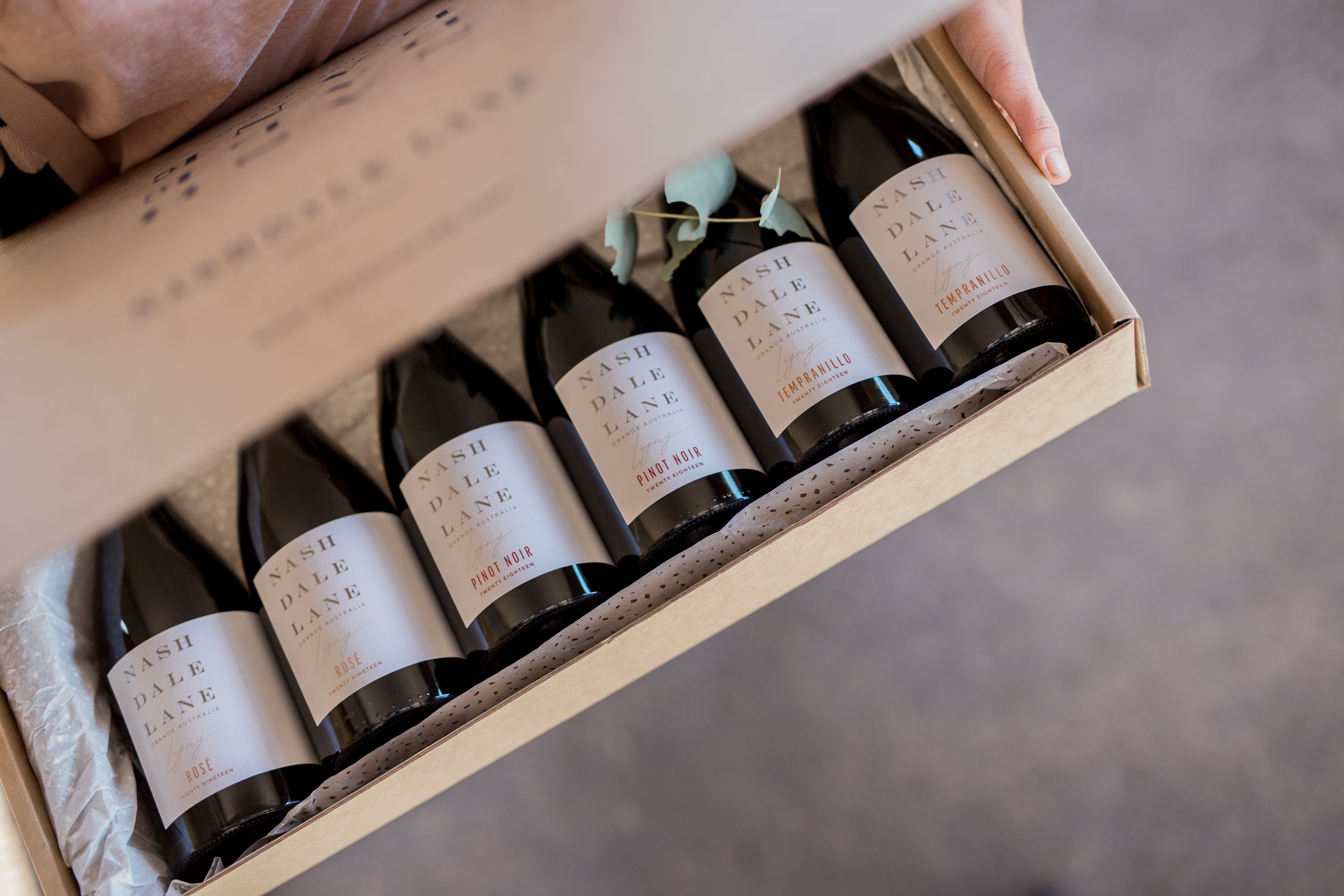
At Nashdale Lane Wines, the focus is high-altitude, single-vineyard and single-varietal wines made in the Orange region. That vineyard focus gives each variety room to show its own character, whether you are opening a lively Riesling now or putting away a more cellar-worthy Legacy wine for a future occasion.
Direct buying is also a practical way to build confidence over time. Make a note of the wines you loved, the vintage, what you ate with them and whether you preferred the fresher or more textural styles. After a few orders, you will have a far better guide than any generic wine quiz can offer.
Build a mixed case you will actually drink
A mixed case should reflect how you live, not simply tick every varietal. If you entertain often, include versatile whites and a dry rosé. If winter dinners at home tend towards slow-cooked meals, add a couple of reds with depth. If you enjoy a glass before dinner, make sure there is something bright and ready to pour.
Storage matters once the delivery arrives. Keep bottles away from direct sunlight, heat and dramatic temperature swings. A cool, dark cupboard is suitable for wines you plan to drink soon. For wines intended to age, a consistent environment is more valuable than a particularly cold one. Store cork-sealed bottles on their side to help maintain the cork’s seal; screw-cap wines can sit either way.
There is no need to save every special bottle for an undefined future. Open the wine when the meal is good, the company is right, or the week has simply called for something better than ordinary. Orange wine is made with serious intent, but it is also made to be shared.
The next time you place an order, choose a few familiar favourites, one bottle for the cellar and one that makes you curious. That is often where a lasting wine habit begins - with a table set, a good bottle opened, and a sense of Orange’s cool country air carried all the way home.
Also in Nashdale Lane Blogs & News

10 Best Anniversary Getaways in NSW for Couples

Wine Delivery Comparison for Better Bottles