

 Best Sellers
 White Wine
 Rosé
Rosé
 Red Wine
 Bundles
 Shop All

Premium Wines for Collectors Worth Cellaring

Premium Wines for Collectors: How to Build a Cellar Worth Opening
A bottle earns its place in a cellar when it offers more than a memorable first pour. Premium wines for collectors should have the structure to evolve, a clear sense of where they were grown and enough character to make opening them in five or ten years feel like an occasion. The pleasure is not simply in owning special wine. It is in following a vineyard, a vintage and a winemaker’s decisions over time.
For collectors, that makes provenance every bit as appealing as pedigree. A carefully made wine from a single, cool-climate vineyard can be a compelling addition to the cellar when the fruit, vintage conditions and handling all point towards longevity.
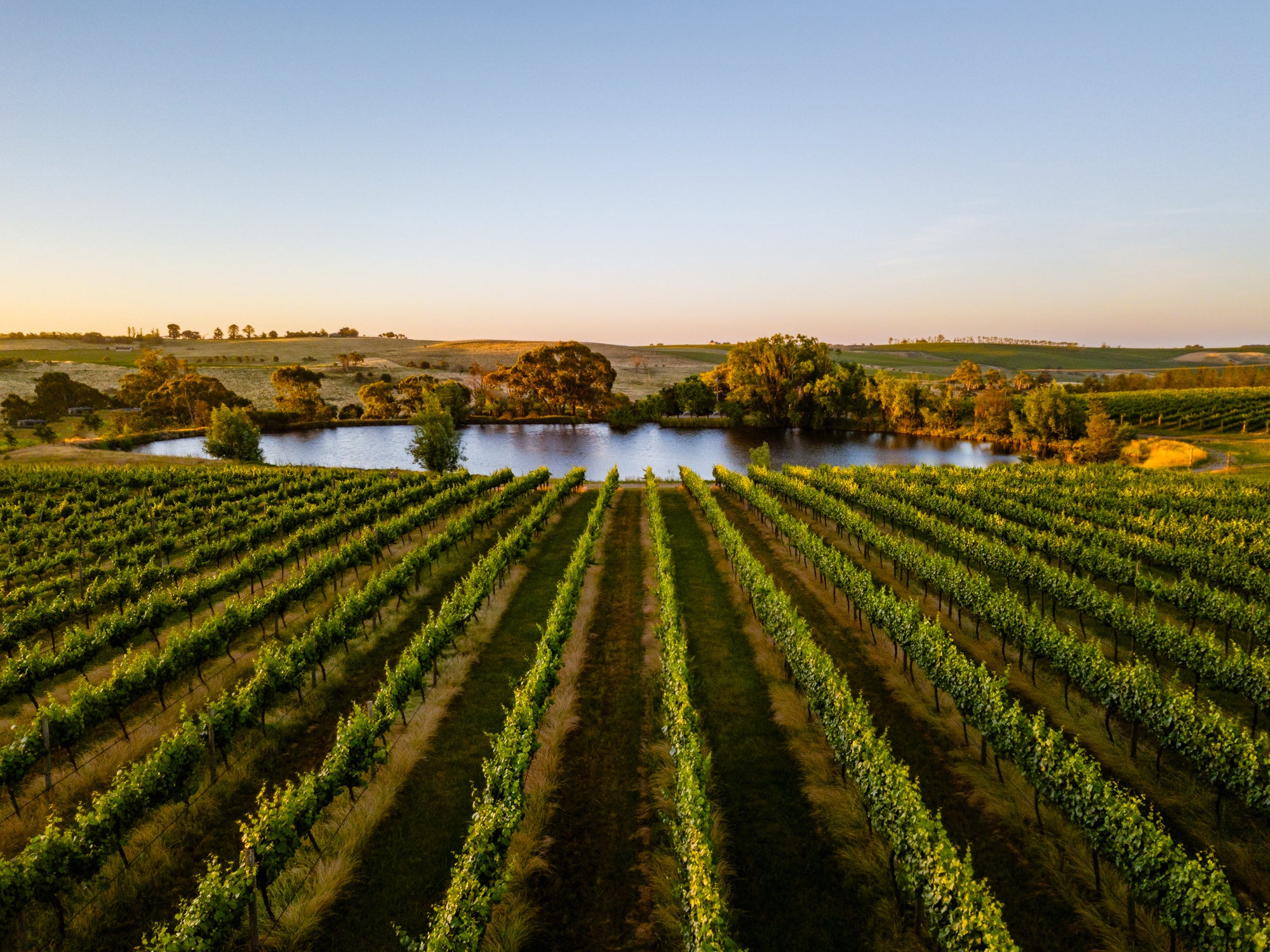
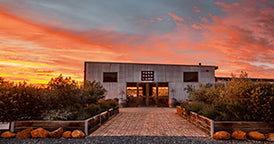
This is particularly true in a region such as Orange, NSW, where altitude, basalt soils and cool evening temperatures can help wines retain the natural freshness needed to develop in bottle. At Nashdale Lane Wines, that connection is especially direct: the wines are made from fruit grown on the family-owned vineyard surrounding its cellar door, allowing collectors to trace each bottle back to a specific site and season.
What makes a wine worth collecting?
Price alone does not make a wine collectable. Rarity can be appealing, but a tiny production run is only meaningful if the wine has the balance and concentration to develop gracefully. The best bottles combine flavour intensity with freshness, tannin or acidity, and a shape that holds together long after the fruit has moved beyond its youthful stage.
For red wine, fine tannins are often central to ageing potential. They provide the gentle framework that allows fruit, savoury notes and oak influence to settle into a more complex whole. Tannin should feel integrated and purposeful, rather than coarse or drying. A powerful wine with aggressive tannins is not automatically more cellar-worthy than a lighter wine with finer structure.
For white wine, natural acidity is often the key. It keeps the palate bright while flavours shift from citrus, orchard fruit and florals towards toast, honey, spice or nuts. Concentration matters as well. Acidity without enough fruit can result in a wine that becomes lean rather than complex.
A collectable wine should also be satisfying at more than one point in its life. A young Pinot Noir may show fragrant red cherry, spice and silky texture; with time, it can become more earthy and savoury. A tightly wound Riesling may begin with lime, grapefruit and jasmine, then gain texture and complexity in bottle. There is no single correct stage at which to drink either wine. Collecting gives you the chance to enjoy that change.
Balance matters more than sheer power
Some wines appear impressive during a quick tasting because they are rich, heavily oaked or intensely fruity. Those qualities can be enjoyable, but they do not guarantee graceful development.
Look instead for a sense of proportion:
Is there enough acidity to keep the wine fresh?
Do the tannins frame the fruit or overpower it?
Does the oak add complexity without masking the vineyard character?
Does the flavour continue across the palate and into the finish?
Is the wine enjoyable now while still suggesting room to develop?
A wine intended for cellaring may be reserved when young, but it should not feel hollow or completely inaccessible. There needs to be enough fruit and balance beneath the structure to support its future development.
Premium wines for collectors start in the vineyard
Wines with a genuine story of place tend to reward careful cellaring. Site matters because it influences ripeness, acidity, tannin, perfume and balance before the grapes ever reach the winery. In Orange, elevation and cool nights can extend the growing season, helping fruit retain the freshness that is so valuable in wines made to age.
Nashdale Lane’s vineyard sits at approximately 850 to 900 metres above sea level on nutrient-rich basalt soils. The site was established in 2001 and is planted with Chardonnay, Pinot Noir, Pinot Gris, Riesling, Sauvignon Blanc, Arneis, Tempranillo and Shiraz. Owners Nick and Tanya Segger selected the property after spending years travelling through and working in different wine regions, eventually settling in Orange because of its cool climate, altitude and distinctive soils.
You can learn more about the vineyard, varieties and family behind the wines through the Nashdale Lane story.
Single-vineyard wines are particularly rewarding for collectors because they offer a focused expression of one location rather than a broad blend designed for immediate consistency. That does not automatically make them better, but it does make them more distinct. When you revisit the same vineyard across several vintages, you begin to see how a cooler season, a dry finish or a warmer summer has shaped the wine.
That is where collecting becomes more personal. Rather than buying isolated bottles based only on scores or reputation, you begin to build a record of one place over time.
Sustainable vineyard care supports long-term quality
Sustainable vineyard care also deserves attention from collectors. Healthy soils, considered canopy management and careful fruit selection are not simply marketing details. They help growers pick fruit with balance rather than chasing sugar, size or weight.
Nashdale Lane is a member of Sustainable Winegrowers Australia and manages its vineyard with attention to the long-term health of the site. Sustainable viticulture can include looking after soil structure, encouraging biodiversity, managing water carefully and responding to the needs of individual vineyard blocks.
In the glass, thoughtful vineyard management can translate into fruit with energy, detail and a more natural capacity to age. It does not guarantee that every wine will improve indefinitely, but it gives the winemaker better raw material from which to create a balanced, age-worthy bottle.
Choose styles with the right structure
A balanced cellar usually contains wines for different occasions and drinking windows. Rather than filling it with labels you feel you ought to own, begin with varieties and styles you genuinely enjoy. The strongest collection is one you will be pleased to open.
Chardonnay: texture supported by freshness
Cool-climate Chardonnay is a classic choice. Look for restrained oak, bright acidity and concentration through the palate rather than overt sweetness or heavy winemaking. With time, flavours can move from citrus and stone fruit towards oatmeal, hazelnut, toast and savoury complexity while retaining a fine line of freshness.
The 2021 Legacy Chardonnay represents the richer and fuller-bodied side of Nashdale Lane’s Chardonnay. Its old-world-inspired approach relies on time and patience, giving collectors a premium white that can be followed as its fruit, texture and oak influence become more integrated.
Chardonnay is also useful in a mixed cellar because it can be opened at different stages. A younger bottle may suit lobster, roast chicken or fish with a buttery sauce, while a more developed bottle can work with mushrooms, aged cheese and richer savoury dishes.
Riesling: acidity and gradual development
Riesling is often one of the most rewarding and accessible wines to cellar. Its lively acidity acts as a natural preservative, and quality examples can develop for many years. Young bottles may be all lemon zest, green apple and florals. Mature examples can gain richer texture and fascinating toast-like, waxy and mineral notes without losing their poise.
A dry Riesling from Orange can be particularly appealing because the region’s elevation supports freshness and a long, precise palate. Not every Riesling needs to be kept for a decade, though. Some are at their most enjoyable when youthful and aromatic, so check the producer’s recommended drinking window before buying specifically for the cellar.
For a simple experiment, purchase several bottles of the same Riesling. Open one young, another after two or three years and keep the remaining bottles for later. This lets you discover whether you prefer the vivid energy of youth or the broader character that arrives with age.
Pinot Noir: perfume, detail and fine tannin
Pinot Noir calls for a little more selectivity. The finest examples are rarely the darkest or most powerful. Instead, seek perfume, fine tannin, depth and length. These are wines that can become increasingly aromatic and nuanced with bottle age, particularly when fruit is grown in a cool site and handled with restraint.
The 2018 Legacy Pinot Noir was produced from an exceptional season using hand-picked fruit from three Pinot Noir clones. It was fermented in custom French oak puncheons and matured for 15 months, creating a wine with dark cherry, spice, fine earthy tannin and savoury oak.
Collectors can also compare it with the 2019 Legacy Pinot Noir or 2021 Legacy Pinot Noir. Tasting several vintages from the same site is one of the clearest ways to understand vintage variation. The vineyard remains consistent while the season changes, revealing differences in perfume, fruit weight, acidity and tannin.
Tempranillo and Shiraz: savoury structure and depth
For collectors who favour a fuller red, Tempranillo and Shiraz can offer excellent potential when freshness remains at the centre.
Tempranillo often brings dark cherry, plum, dried herbs and savoury tannin. The 2019 Legacy Tempranillo was hand-selected and fermented with whole berries before maturation in new and seasoned French oak puncheons. Its combination of dark plum, liquorice, spice, charred oak and firm tannin gives it the structure to accompany rich stews, grilled meats and roasted vegetables now, while also supporting further development.
Cool-climate Shiraz can show pepper, dark fruit and spice without becoming too weighty. The 2019 Legacy Shiraz is produced only when vintage conditions allow. It demonstrates how high-altitude Shiraz can combine wild berry fruit, cherry, white pepper, dark chocolate and smooth tannin in a medium-bodied style.
Both varieties can broaden beautifully in bottle when the oak is integrated, the fruit remains clear and the finish stays composed.
Do not overlook age-worthy rosé
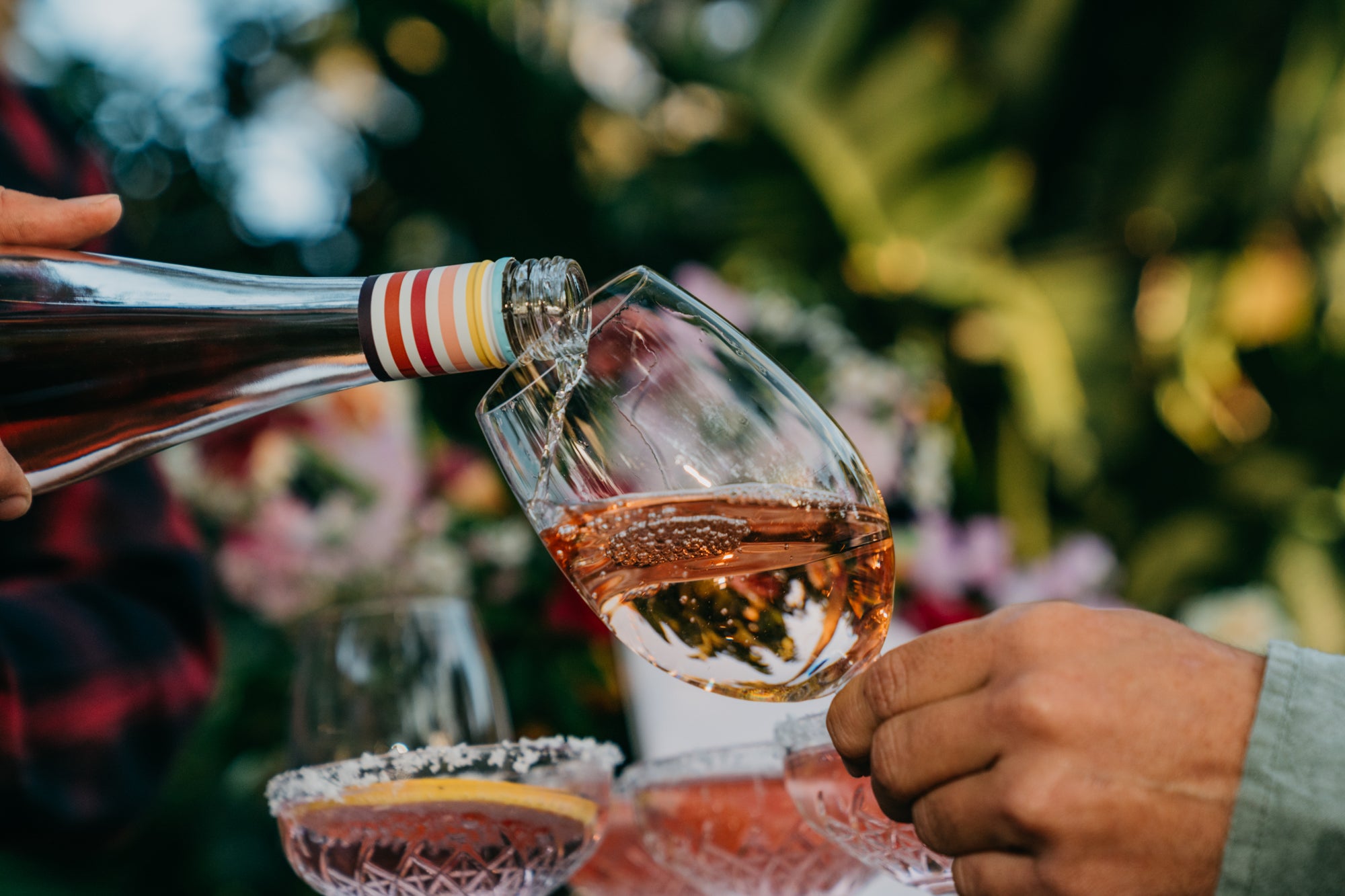
Rosé is rarely the first variety associated with collecting, but a more serious example can challenge that assumption. The 2022 Legacy Rosé is made from the richer pressings of Shiraz fruit and aged in seasoned French oak.
Rather than aiming only for immediate freshness, it offers texture, darker fruit, vanilla and a smooth finish. It can be enjoyed with salmon, lamb, pork, aged cheese and dishes carrying deeper umami flavours. Its recommended shorter cellaring window also makes it useful for the part of a collection intended to be opened over the next few years.
Buy with a drinking window in mind
Not every premium bottle needs a decade in the cellar. Some are made to shine over the next two to four years, while others need more time before their detail fully emerges. The practical approach is to buy a small selection from the same wine, then open bottles at intervals.
Try one soon after release to understand the wine’s starting point. Keep another for several years and reserve a final bottle for a milestone dinner or quiet winter evening. This approach is more useful than waiting for a theoretical perfect moment, which can be difficult to predict and easy to miss.
A simple collection could be divided into three groups:
Drink soon: wines intended for the next one to two years.
Developing: bottles to revisit after roughly three to five years.
Longer-term: structured wines with producer guidance supporting extended cellaring.
Vintage variation is worth embracing rather than avoiding. A cooler year may produce more tension, perfume and acid line. A warmer year may bring generosity and earlier approachability. Both can deserve a place in the cellar, but they may evolve differently.
Keeping brief notes on what you open will quickly build confidence in your own preferences. Record the vintage, when it was opened, how long it had been stored and what you enjoyed about it. After several years, your own notes will often be more useful than a broad drinking window written for somebody else’s palate.
Collect vertically or across varieties
There are two enjoyable ways to deepen a collection.
A vertical collection contains several vintages of the same wine. This lets you explore how seasonal conditions shaped one variety from the same vineyard. A group of Legacy Pinot Noir vintages, for example, creates a personal record of how Nashdale Lane’s site performed across different growing seasons.
A horizontal collection contains different wines from the same vintage. This reveals how several varieties responded to a shared season. Comparing Chardonnay, Pinot Noir, Tempranillo and Shiraz from one year can help separate the influence of vintage from the natural character of each grape.
Neither approach needs to be formal. Even three carefully chosen bottles can create a rewarding comparison.
Storage is part of the wine
Even the finest wine cannot show its best if it has been stored carelessly. Heat is the main enemy, particularly repeated temperature swings. Aim for a consistently cool, dark place, ideally around 12 to 16 degrees Celsius.
A purpose-built wine fridge is a sensible investment once your collection begins to grow, particularly in an Australian home where summer temperatures can rise quickly. If that is not practical, a stable internal cupboard may be suitable for shorter-term cellaring.
Keep cork-sealed bottles on their side so the cork remains moist. Screw-capped wines can be stored upright or horizontally, although horizontal storage may make the collection easier to organise.
Avoid storing wine:
Above a refrigerator, oven or other warm appliance
Beside a hot-water system
In direct sunlight
In a garage or shed with large temperature changes
* In an area exposed to constant vibration
The point is not to create a museum-like environment. It is to give the wine a calm and consistent place to rest.
Keep records as well. A simple note on your mobile, spreadsheet or cellar book can include the producer, wine, purchase date, vintage, recommended drinking window and storage location. It prevents forgotten bottles from slipping past their best and makes choosing something for dinner much easier.
Serve a collected wine with care
Once the time comes to open a bottle, serving conditions can make a significant difference. Premium reds are often served too warm, which can make alcohol feel more obvious and fruit less precise. Pinot Noir is generally more expressive with a slight chill, while Tempranillo and Shiraz should feel cool rather than warm.
White wines should be chilled without being numbed. Excessive cold suppresses aroma and texture, including the details that make a mature Chardonnay or Riesling interesting. Let the bottle sit out briefly if it has come straight from a very cold refrigerator.
Young, structured reds may benefit from air. Open the bottle 30 minutes before serving or use a decanter if the wine initially feels closed. Mature bottles require more care. Stand the wine upright beforehand so any sediment can settle, open it gently and pour slowly.
Most importantly, give the wine time in the glass. A premium bottle may begin quietly and reveal fruit, spice, earth, flowers or savoury detail over the course of dinner.
The value of buying directly
Buying directly from a winery can give collectors a clearer view of how a wine was made and where it sits in the producer’s range. You may have access to limited releases, museum stock, mixed cases and vintage information that helps you buy with purpose rather than guesswork.
A visit to the Nashdale Lane cellar door also allows you to compare the approachable Colour Series with the reserve-level Legacy wines. Tasting them side by side makes the differences in fruit selection, oak, concentration, maturation and intended drinking window easier to understand.
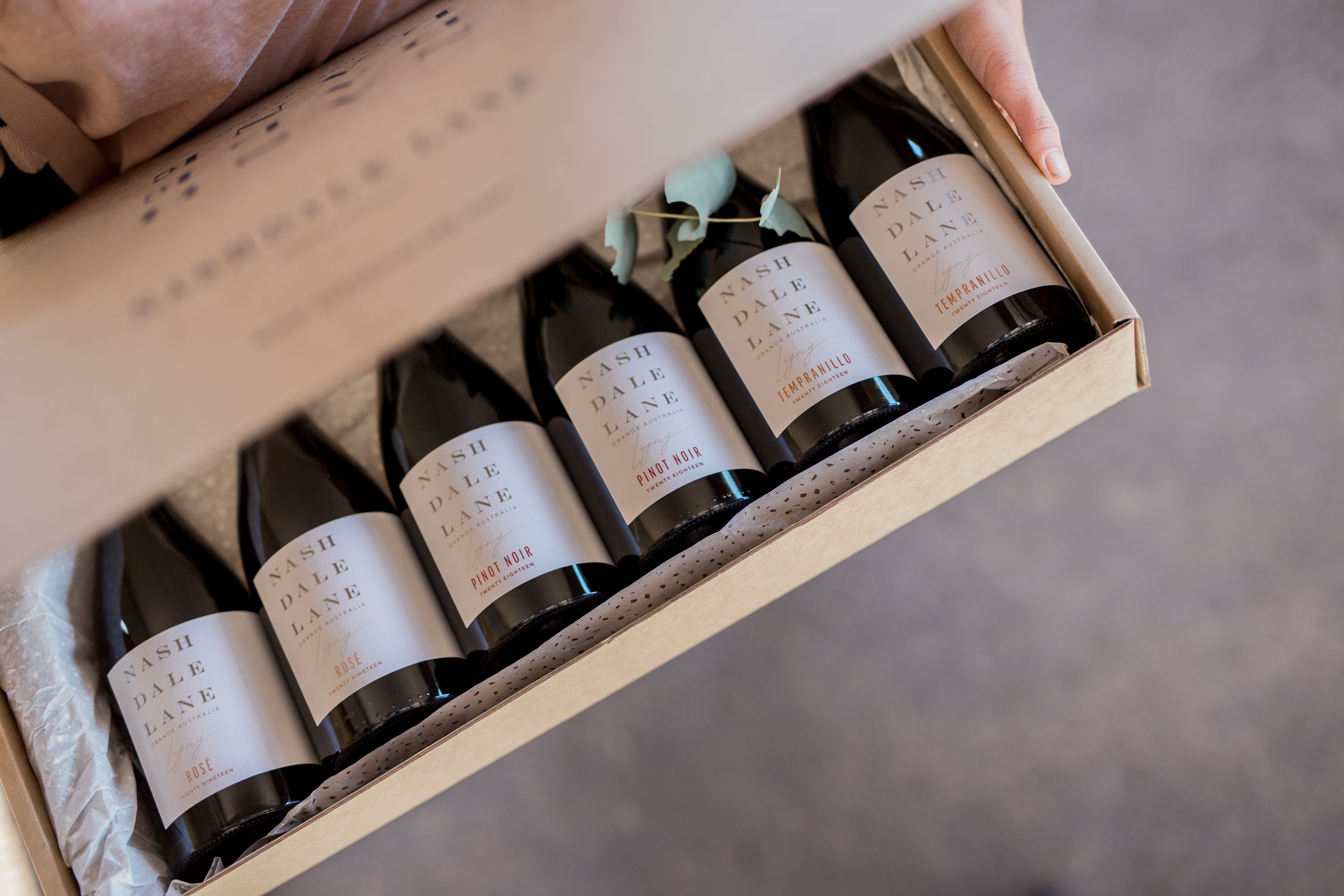
At Nashdale Lane Wines, the Legacy collection represents the most considered end of the range: small-production wines shaped from hand-picked, block-selected fruit and given the time and patience they require. These wines are produced only when the vintage delivers fruit of the necessary quality.
The collection currently includes Chardonnay, Pinot Noir, Tempranillo, Shiraz and a distinctive barrel-aged Rosé. For a collector, purchasing several varieties or vintages creates a personal record of one high-altitude Orange vineyard.
The broader flagship wine collection guide provides further advice on choosing premium releases, balancing drinking windows and building a collection that remains useful at the table.
Collectors who want an ongoing connection with new releases can also explore the Nashdale Lane Wine Club, where orders can be curated around personal preferences and different levels of membership.
Build a cellar that creates occasions
A cellar does not need to begin with dozens of bottles or a grand plan. Start with wines that speak clearly of their variety and place, store them well and allow yourself to open one before you think it is ready.
Buy a few bottles to follow rather than filling the cellar with unrelated labels. Compare vintages, note what changes and pay attention to the point at which each variety gives you the most pleasure. Some bottles may reward ten years of patience. Others may be at their best during a spontaneous dinner next winter.
The most rewarding collection is not the one left untouched. It is the one that gives you a reason to gather people around the table and see what time has made possible.
Explore Legacy by Nashdale Lane, discover the story behind the vineyard, or book a cellar-door tasting to compare the wines where they were grown.
Also in Nashdale Lane Blogs & News

10 Best Anniversary Getaways in NSW for Couples

Wine Delivery Comparison for Better Bottles