

 Best Sellers
 White Wine
 Rosé
Rosé
 Red Wine
 Bundles
 Shop All
How Wine Tastings Help You Choose Better Bottles

How to Get More from a Cellar Door Wine Tasting
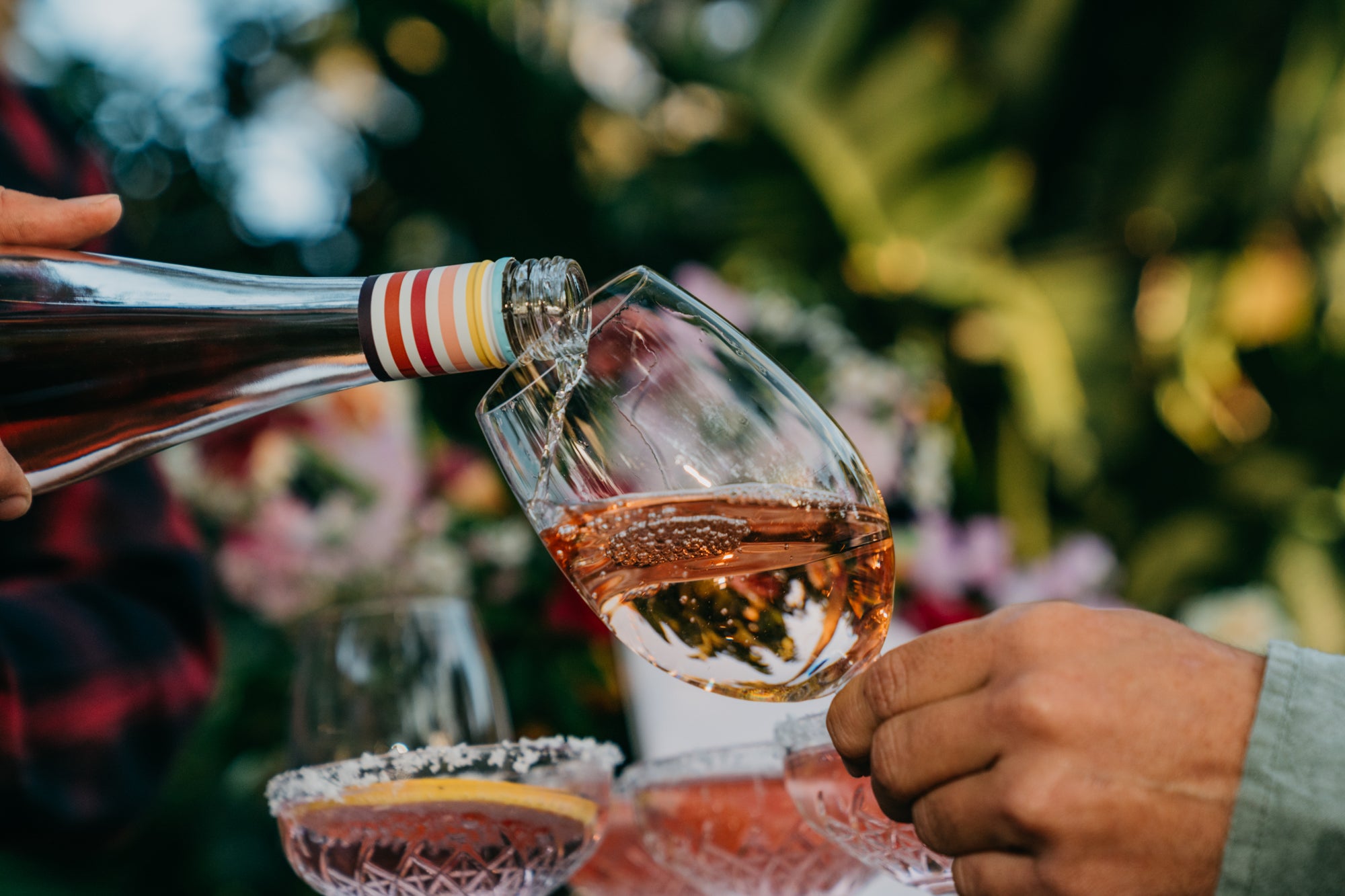
A good tasting can change the way you buy wine long after you leave the vineyard. Wine tastings are not about finding the cleverest descriptor in the room or proving that you can identify every aroma. They are a chance to notice what you genuinely enjoy: the crisp line of acidity in a dry Riesling, the texture of a barrel-fermented Chardonnay, or the bright red-fruit lift of a cool-climate Pinot Noir.
At a cellar door, that experience comes with a valuable extra layer of context. You can taste a wine where its story began, hear how the season shaped the fruit and compare styles side by side. The result is often a far more confident choice for your table, cellar or next thoughtful gift.
This connection between place and wine is particularly clear at Nashdale Lane Wines, a family-owned and run vineyard just outside Orange, NSW. Owners Nick and Tanya Segger are hands-on across the vineyard, winery and cellar door, giving visitors the chance to learn about the wines from people closely involved in growing the fruit and shaping each release.
Wine tastings begin before the first sip
A little preparation makes a tasting more rewarding, particularly if you are keen to compare wines rather than simply work through a flight. Avoid strongly flavoured coffee, mints and perfume immediately beforehand. These can flatten delicate aromas and make subtle wines seem quieter than they are.
It also helps to arrive with a simple question in mind. Perhaps you are looking for a fresh white for seafood, a versatile red for shared dinners or a special bottle worth putting away for a few years. There is no need to know exactly what you want. A useful question gives the tasting a purpose and helps the host guide you towards the right styles.
If you are visiting Orange from Sydney or elsewhere in New South Wales, allow time rather than squeezing a tasting between commitments. High-altitude vineyards and cool evenings are part of what gives the region’s wines their poise and natural freshness. Taking a slower pace lets you appreciate the setting as well as what is in the glass.
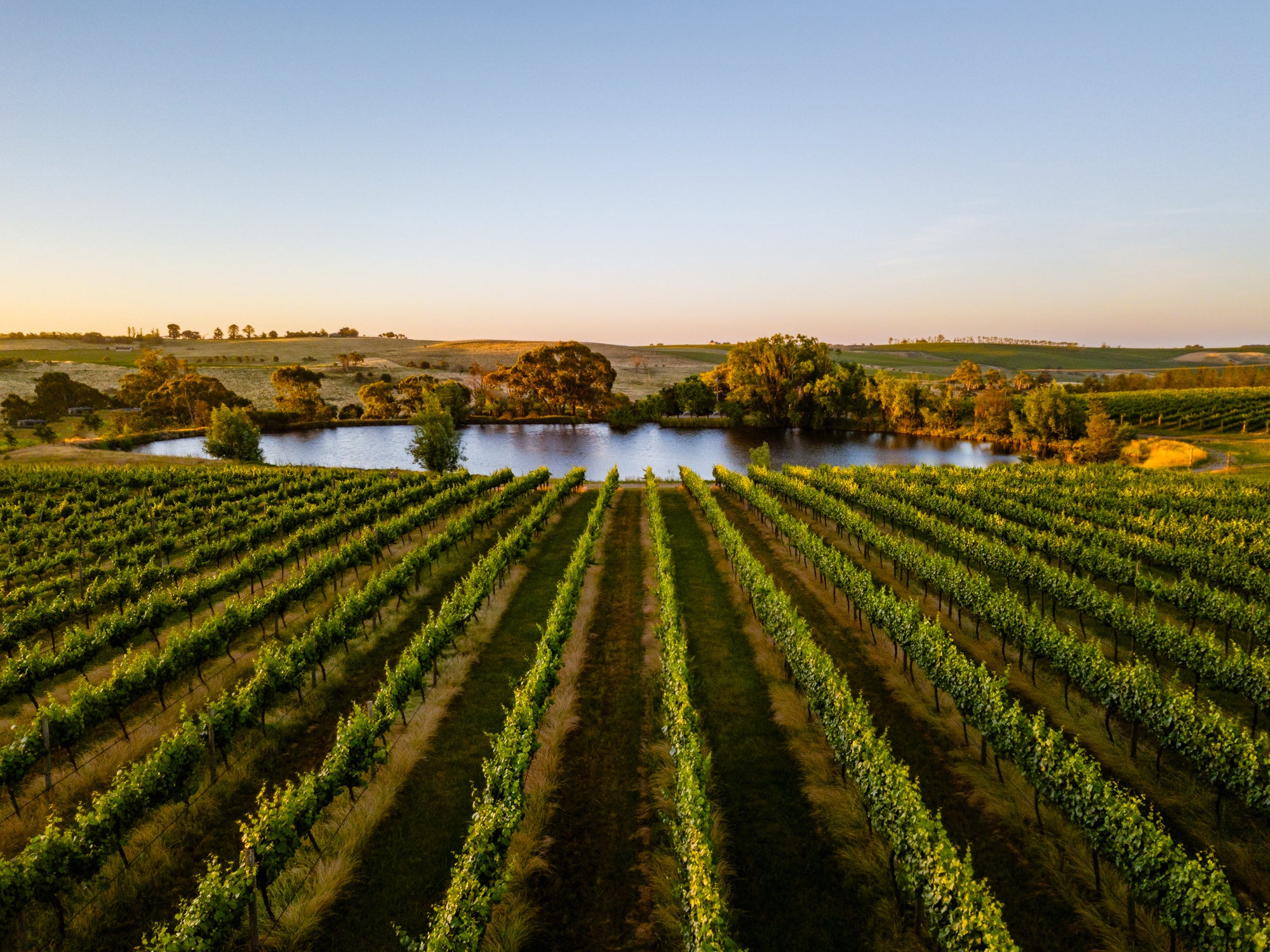
Nashdale Lane’s vineyard sits at approximately 850 to 900 metres above sea level on nutrient-rich basalt soils. The vineyard was established in 2001 and is planted with several varieties suited to Orange’s cool climate, including Riesling, Pinot Gris, Arneis, Sauvignon Blanc, Chardonnay, Pinot Noir, Tempranillo and Shiraz. This range makes a cellar-door tasting especially useful because visitors can compare markedly different varieties grown within the same vineyard.
A simple way to taste with confidence
Start by looking, but do not overthink it. Colour can offer a few clues: a pale lemon white may suggest youth and brightness, while a deeper gold hue can point to age, skin contact or barrel influence. With reds, a vivid ruby colour often suits lighter-bodied varieties such as Pinot Noir, while deeper crimson or purple may signal a more concentrated style. These are observations, not rules.
Next, give the glass a gentle swirl and take two short sniffs. The first impression might be fruit: lime and grapefruit in Riesling, pear and apple skin in Pinot Gris, or cherry and raspberry in Pinot Noir. Look again and you may find flowers, spice, herbs, roasted nuts or a savoury note that makes the wine more complex.
Then take a small sip and let it move across your palate before swallowing or using the spittoon. Notice three things. First, how fresh does it feel? Acidity is the mouthwatering quality that makes a wine lively and particularly useful at the table. Second, how does it feel in weight and texture: light and delicate, creamy and layered, or broad and generous? Finally, what stays with you after the sip? A long, clean finish is often a sign of balance and care, but the style still needs to suit your taste.
The most useful language is your own. You might prefer “zesty”, “soft”, “dry”, “juicy”, “smoky” or “easy to drink” to a long list of technical terms. Tell the person hosting your tasting what you notice and what you would happily pour again. That response is far more helpful than trying to find a prescribed answer.
At Nashdale Lane, tastings are designed to guide visitors through the winemaking journey rather than simply placing several glasses in front of them. The wines are handcrafted from fruit grown on the property, meaning the differences you taste can be connected to the variety, vintage, vineyard block and decisions made in the winery.
Taste in the order that lets each wine speak
The sequence matters. Light, sparkling or aromatic wines are usually tasted before richer whites, then lighter reds before fuller-bodied reds. Sweet wines generally come last. This order protects the finer details in a delicate Arneis or Sauvignon Blanc Fumé from being overwhelmed by the deeper fruit and tannin of Shiraz.
A well-planned flight also reveals differences that are harder to spot with a single glass. Taste a bright, stainless-steel white beside a Sauvignon Blanc Fumé with thoughtful barrel influence and you begin to see how winemaking choices affect aroma and texture. Compare Pinot Noir and Tempranillo and you will feel the difference between fragrant red fruit and fine tannin on one side, and a darker, more savoury and structured frame on the other.
Palate fatigue is real, especially across several wines. Take your time, drink water regularly and use the spittoon if you are driving or want to stay focused. Spitting is standard cellar-door practice, not a comment on the quality of the wine. It simply means you can taste carefully and make a considered decision.
What makes Nashdale Lane’s wines distinctive?
The Nashdale Lane story began with Nick and Tanya’s ambition to establish their own vineyard and winery after spending time in Tuscany in the 1990s. After years of travelling through and working in different wine regions, they eventually found their site at Nashdale, attracted by its altitude, cool climate and basalt soils.
That combination continues to shape the wines. Warm daytime conditions help the grapes develop flavour, while the cooler nights slow the ripening process and help preserve natural acidity. This balance can give white wines brightness and aromatic definition while allowing red varieties to develop flavour without becoming excessively heavy.
Nashdale Lane is also a member of Sustainable Winegrowers Australia. Its vineyard and winemaking approach place importance on respecting the land, caring for the long-term health of the site and allowing the vineyard’s character to remain visible in the finished wine.
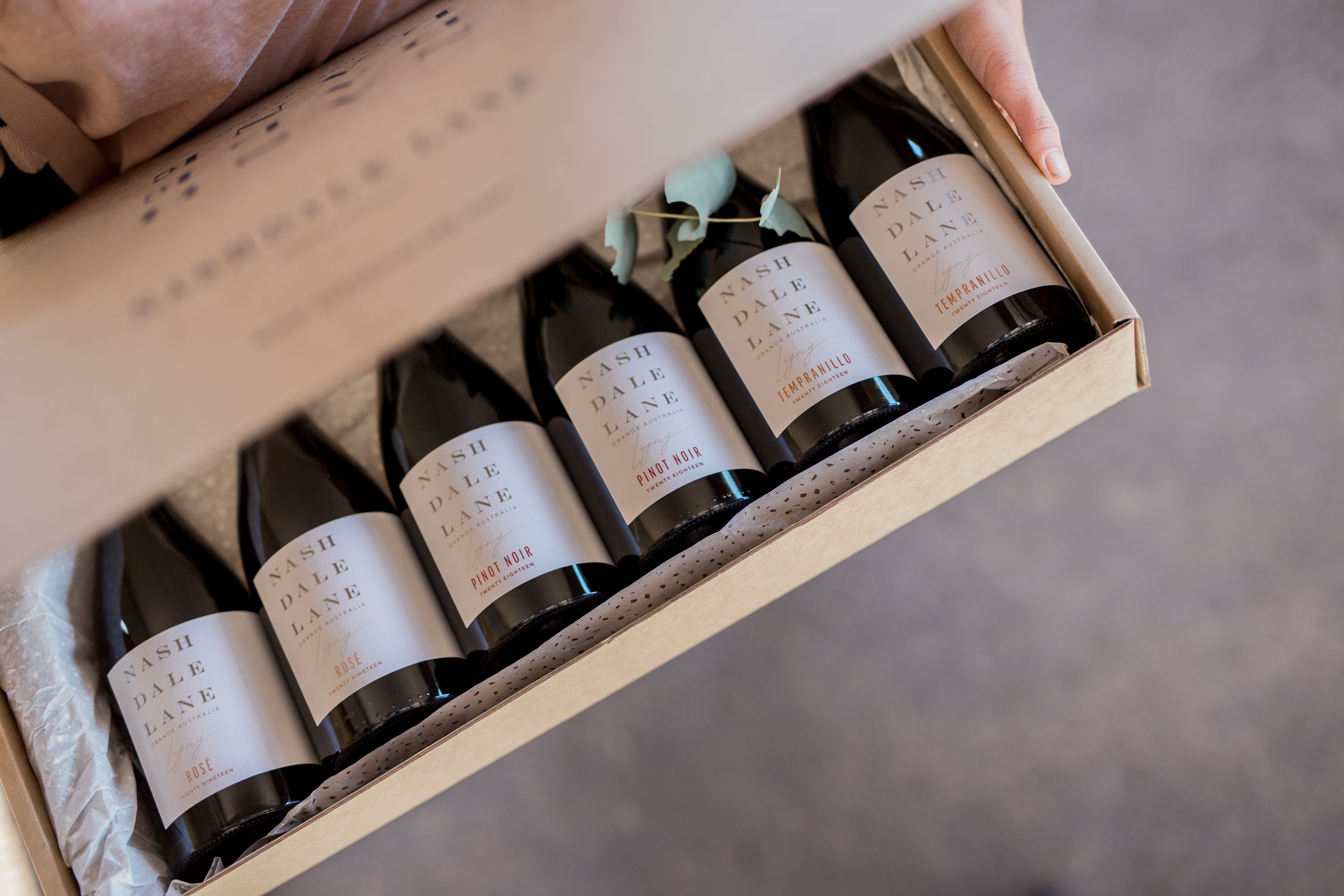
The winery’s Colour Series focuses on single-vineyard, single-varietal wines that show the quality and variety of fruit grown across the property. For visitors wanting something rarer or more suited to cellaring, the Legacy collection is the premium reserve range. These wines are made from carefully selected fruit and are produced only when the vintage allows the required quality.
Tasting across the two ranges can be particularly revealing. It allows you to compare an expressive wine intended for earlier enjoyment with a more concentrated, patiently made release designed to develop over time.
What to ask at a cellar door
The best questions are practical ones because they connect the wine in front of you to the way you live. Ask whether a wine is dry or medium-dry, whether it has seen oak and what the team would serve alongside it. If you are considering a few bottles, ask which wine is ready now and which will reward patience.
Vintage is worth discussing too. Wine is agricultural, and no two seasons are identical. A cooler year may bring taut acidity and aromatic detail, while a warmer season can offer riper fruit and a broader palate. Neither is automatically better. It depends whether you are after immediate generosity, fine structure or a bottle with the balance to evolve in the cellar.
For single-vineyard wines, ask how the site influences the result. Altitude, aspect, soil and temperature all shape the fruit. In Orange’s elevated vineyards, warm days and cool nights can encourage flavour development while retaining the freshness that gives whites their energy and reds their line. That sense of place is not simply marketing language when you can taste it in the glass and look out at the vineyard where the fruit was grown.
You can also ask about more specific winemaking choices:
Was the wine fermented in stainless steel or barrel?
Was the oak new, old or a combination of both?
Was the fruit hand-picked or block-selected?
How long did the wine spend on lees or in barrel?
Is the wine intended to be enjoyed young or cellared?
How did the current vintage differ from the previous season?
These questions help explain why two wines made from the same variety can taste completely different.
Turn a tasting into better buying
It is easy to leave a tasting remembering the most dramatic wine, but the bottle that suits your home may be the quieter, more versatile one. Think about when you will open it. A citrus-driven Riesling can be a brilliant fridge staple for prawns, fresh salads and warm afternoons. Rosé brings easy, dry refreshment to a long lunch. Pinot Noir is often at home with duck, mushrooms or roast chicken, while a fuller Shiraz can carry the richness of slow-cooked lamb.
For entertaining, choose at least one crowd-pleasing bottle and one with a little more personality. That might mean an approachable Pinot Gris alongside a distinctive, food-friendly Fumé, or a supple red beside a small-production flagship wine for those keen to linger over the details. Variety gives guests a choice without making the table feel overly formal.
For more inspiration, Nashdale Lane’s guide to wine and food pairing examples explains how acidity, texture, fruit and tannin can interact with everything from seafood and roast chicken to smoky barbecue dishes.
If you are building a small collection, buy across occasions rather than buying only the most expensive bottle. A mix of everyday whites, versatile reds and a handful of cellar-worthy releases will serve you better. Ask about storage before committing to wines intended for ageing. A consistently cool, dark cupboard may be fine for short-term keeping, but serious cellaring needs stable temperature and protection from heat.
A useful cellar-door purchase might include:
One familiar wine you already know you will enjoy
One versatile bottle for an upcoming meal or gathering
One variety you would not normally choose
One premium or limited release to cellar or open for a special occasion
If you enjoy receiving wines throughout the year, the Nashdale Lane Wine Club offers different membership tiers, with selections curated around individual preferences rather than treating every member’s palate in the same way.
Recreate the experience at home
A tasting at home is an easy way to revisit what you learned. Pour two or three wines in smaller serves, use similar glasses where possible and taste them before dinner while your palate is fresh. Choose a theme such as aromatic whites, cool-climate reds or one variety from different vintages.
Keep the food simple at first. Plain crackers, mild cheese or a few unsalted nuts can help reset your palate, though they will still influence flavour. Once you have tasted the wines on their own, bring in the meal and notice what changes. A wine that seems sharp by itself can become beautifully balanced alongside food, while a plush red may suddenly need the salt and richness of a proper dish.
Try writing down only three things about each wine:
What you noticed first
How the wine felt in your mouth
* Whether you would buy it again and when you would serve it
This creates a more useful personal record than copying formal tasting notes. Over time, you may notice that you consistently enjoy certain qualities, such as high acidity, restrained oak, savoury reds or softer, fruit-forward styles.
Make the vineyard part of your visit
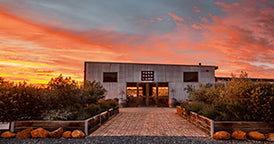
A Nashdale Lane tasting does not have to be treated as a quick stop. The cellar door is less than ten minutes from Orange and looks directly across the vineyard, helping connect each wine to the landscape that produced it.
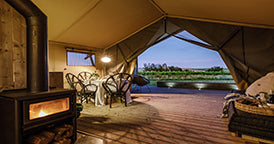
Visitors who want to stay longer can also explore Nashdale Lane’s luxury vineyard glamping cabins. With only two private cabins set among the vines and views towards Mount Canobolas, the experience provides time to slow down, enjoy the surrounding countryside and see another side of the vineyard after the cellar door closes.
That broader experience reflects what Nashdale Lane is built around: carefully grown, single-vineyard wines combined with the personal welcome of a family-run Orange destination. Whether you taste at the vineyard, stay among the vines or open a bottle at home, allow yourself to be led by pleasure as much as detail.
The right bottle is not necessarily the one with the boldest label, the highest price or the most elaborate tasting note. It is the one that suits the meal, the moment and the people around your table - and a thoughtful tasting is one of the most enjoyable ways to find it.
Book a Nashdale Lane cellar-door tasting or explore the current wine range.
Also in Nashdale Lane Blogs & News

10 Best Anniversary Getaways in NSW for Couples

Wine Delivery Comparison for Better Bottles